.webp)




© 2025 Cedar Solutions Roofing powered by Tauri social.
Blog Post
The Coastal Wind Map: How Air Actually Moves Over Your Roof
In coastal regions, wind is not a background condition, it is a defining force that shapes how homes perform over time. While many homeowners imagine wind as something that simply strikes the exterior of a house, the reality is far more complex.
Air accelerates, lifts, curls, and creates pressure changes as it moves across rooflines, often stressing materials in ways that are invisible until damage appears. These forces build gradually, affecting roofing systems long before obvious issues become visible.
Along Long Island and the Hamptons, where open exposure intensifies wind behavior, understanding how air actually moves over a roof is essential. At Cedar Solutions Roofing, we approach roofing as an environmental system, designing rooflines that anticipate wind behavior rather than reacting to it after problems arise.
How Coastal Wind Moves Across Rooflines

Wind interacts with rooflines dynamically, responding to shape, angle, and height rather than moving in a straight line.
Wind Accelerates as It Reaches the Roof
When wind reaches a home, it does not stop at the walls. Instead, it is forced upward, accelerating as it moves toward the roof surface. This increase in speed creates pressure differences that place stress on shingles, fasteners, and flashing. Over time, this constant force weakens roofing systems even without major storms.
Uplift Forms Near the Ridge Line
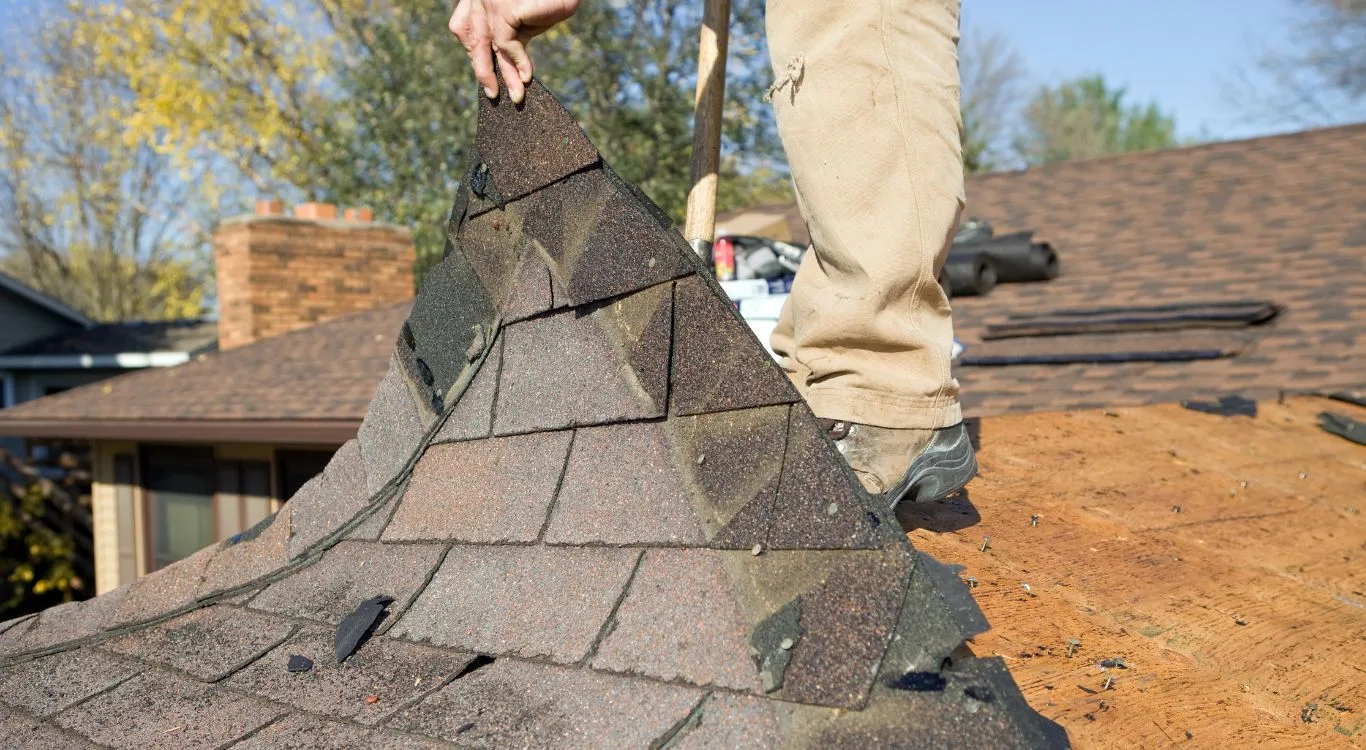
As air flows over the roof and crosses the ridge line, it creates uplift forces that pull materials upward. This suction effect is one of the most common causes of shingle loss and ridge cap failure in coastal homes. Proper detailing at the ridge is critical in any professional roofing system designed for coastal conditions.
Turbulence Develops at Corners and Edges
Roof edges and corners disrupt smooth airflow, causing turbulence and swirling wind patterns. These areas experience uneven pressure that can loosen materials faster than other sections of the roof. This is why edge protection and reinforcement are essential in coastal roofing design.
Why Coastal Homes Experience Greater Wind Stress

Homes near the coast face wind conditions that are fundamentally different from inland properties, even when they share similar construction.
Open Exposure Increases Wind Speed
Coastal landscapes offer few natural barriers to slow wind movement. With fewer trees and structures to break airflow, wind reaches homes at higher speeds and with greater consistency, placing constant stress on roof systems.
Changing Wind Directions Create Ongoing Stress
Unlike inland wind patterns, coastal winds shift direction frequently. Seasonal changes and storm systems cause wind to approach homes from multiple angles, stressing roofing materials unevenly over time. This explains why roofs can fail even when they appear to be properly installed.
Salt and Moisture Amplify Wind Damage
Coastal wind carries salt and moisture that accelerate material deterioration, especially around fasteners and flashing. This issue is explored further in
The Hamptons Salt-Air Problem: How to Protect Rooflines Near the Coast, which explains why coastal roofs require specialized detailing.
The Most Vulnerable Areas of a Coastal Roof

Wind does not affect every part of a roof equally. As air moves across a home, pressure and suction concentrate in specific areas, causing certain sections of the roof to wear down faster than others. Identifying these vulnerable zones is essential for designing a roof that can withstand long-term coastal exposure.
Roof Edges and Overhangs
Roof edges and overhangs are where wind most easily gains leverage. As airflow wraps around the roofline, it creates uplift forces that can loosen materials over time. Without proper edge detailing and secure installation, wind can slip beneath roofing components and gradually compromise the system.
Roof Penetrations and Transitions
Chimneys, vents, skylights, and valleys disrupt smooth airflow across the roof. These interruptions create pressure points where wind and moisture can collect, making precise sealing and detailing critical for preventing long-term damage.
Roof-to-Wall Connections
At roof-to-wall intersections, wind pressure increases as airflow changes direction. Seamless integration with professional siding services helps reduce gaps and weak points, limiting wind intrusion and protecting the roof over time.
Designing Roofs to Work With Coastal Wind

The most durable coastal roofs are designed to guide wind safely over the structure instead of resisting it.
Roof Pitch Shapes Airflow
The angle of a roof determines how smoothly air travels across it. Proper pitch allows wind to pass without creating excessive suction zones that strain materials.
Custom Fabrication Improves Wind Resistance
Standard flashing is often insufficient in coastal environments. Through custom fabrication, flashing and trim are shaped to align with airflow patterns and block wind entry points.
Integrated Exterior Systems Matter
Roofing performs best when coordinated with siding, trim, and architectural features. A unified exterior system reduces gaps and inconsistencies that wind can exploit.
Conclusion: Understanding Wind Is Essential to Coastal Roofing
In coastal environments, a roof is part of a larger aerodynamic system. Wind creates pressure, suction, and turbulence that must be anticipated through intelligent design and expert execution. Understanding how air moves over a roof allows homeowners to build systems that endure not just survive coastal conditions. At Cedar Solutions Roofing, we design roofs that respect the forces acting on them, resulting in longer-lasting performance and stronger architectural integrity.
share via