


© 2025 Cedar Solutions Roofing powered by Tauri social.
Blog Post
The Hamptons Salt-Air Problem: How to Protect Rooflines Near the Coast
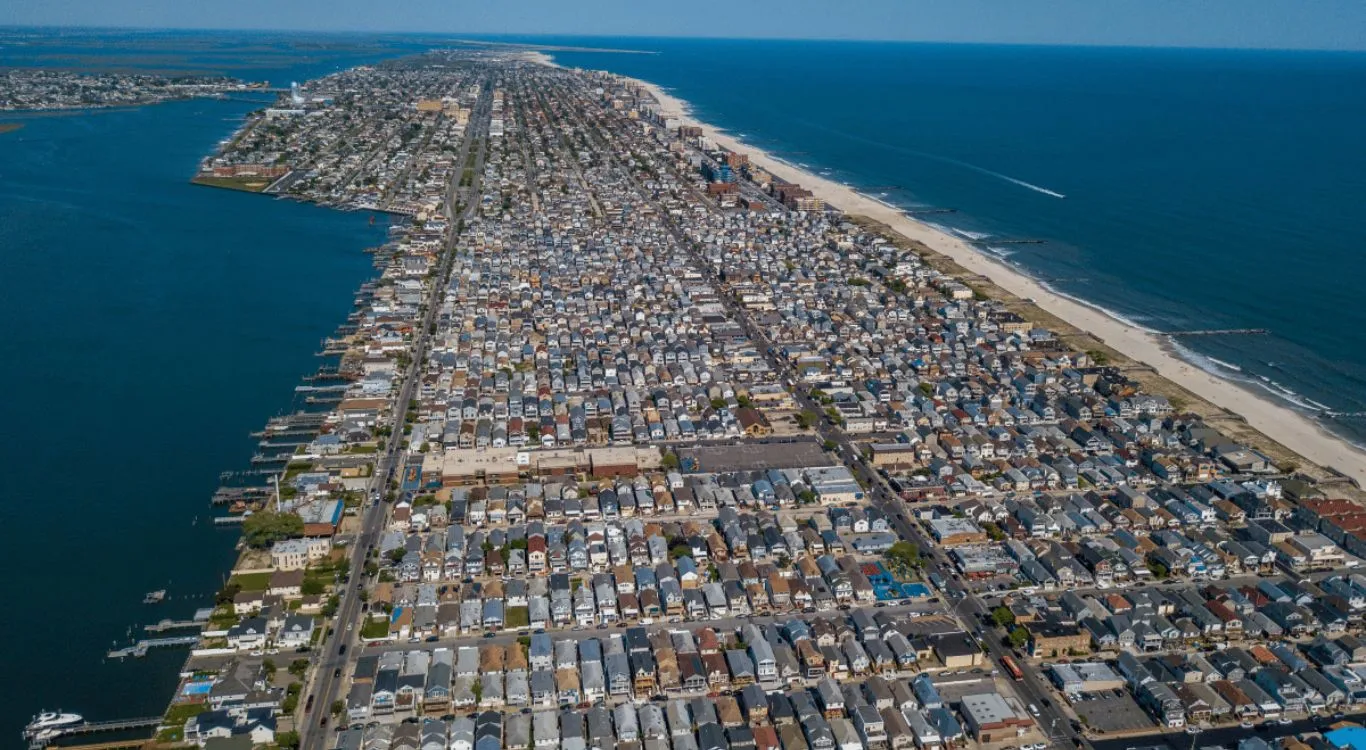
Coastal air is part of what makes the Hamptons feel effortless bright mornings, ocean breeze, and that clean shoreline atmosphere. But salt in the air has a downside: it can quietly speed up wear on your roofline by holding moisture on surfaces and accelerating corrosion on metals.
Over time, small signs like staining, peeling paint, or “tired” flashing can become bigger problems if the edges and transitions aren’t built for coastal conditions. The good news is that with the right detailing, materials, and a simple maintenance plan, you can keep your roofline looking sharp and performing the way it should season after season, especially when you’re working with a team that understands coastal installs like Cedar Solutions Roofing.
Why Salt Air Damages Rooflines Faster Than You’d Expect

Salt air doesn’t damage roofs in one dramatic moment, it works slowly and consistently. Microscopic salt particles settle on surfaces, especially at roof edges where wind hits hardest. Salt then attracts and holds moisture, which speeds up corrosion and breaks down protective coatings. Add wind-driven rain, and the roofline becomes the front line of your home’s defense.
Salt + Moisture = Corrosion That Moves Faster
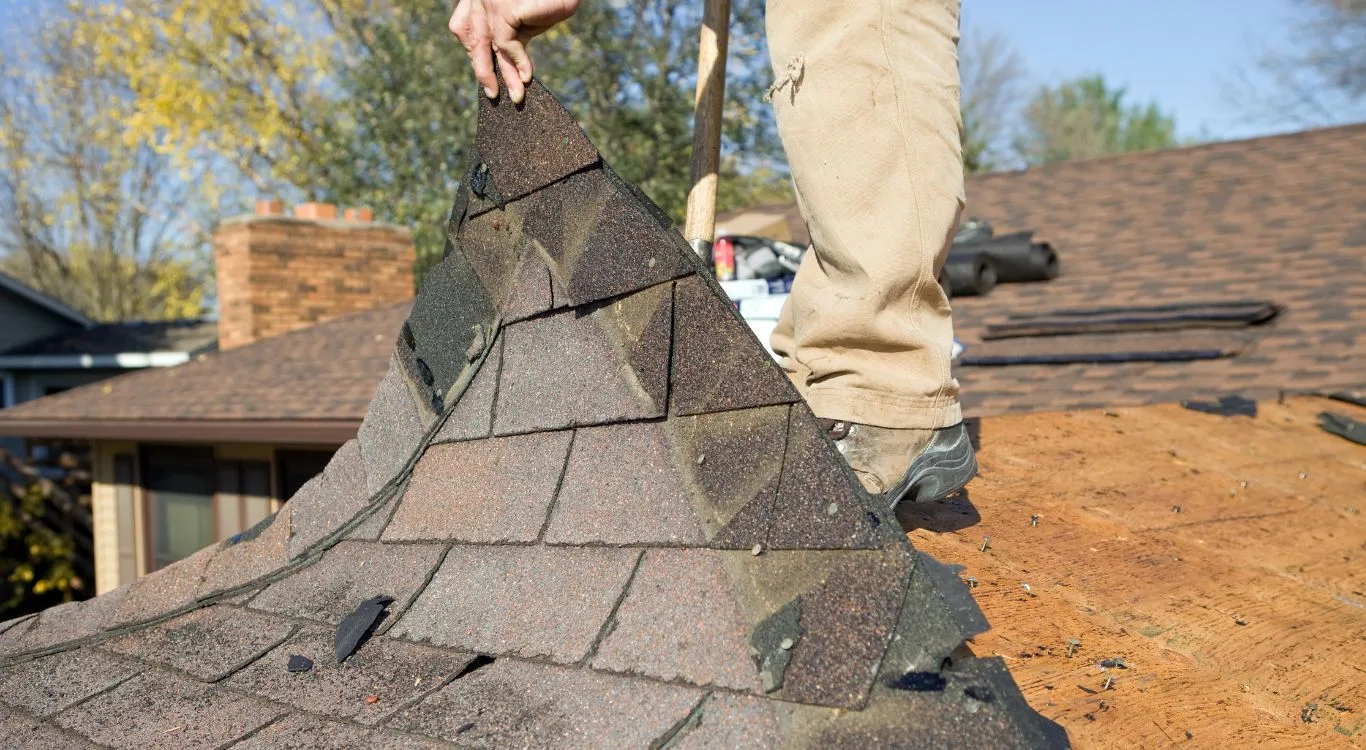
On coastal homes, metal components are typically the first to show symptoms flashing, drip edge, fasteners, gutter seams, and vent hardware. Salt exposure accelerates oxidation, and once a protective finish starts failing, corrosion can spread faster than homeowners expect. The tricky part is that early corrosion often looks cosmetic, but it can eventually weaken the function of the systemespecially where water is supposed to be redirected cleanly.
Wind-Driven Rain Targets the Edges and Transitions
Most roof problems don’t begin in the middle of the roof field, they begin where materials meet. Eaves, rakes, valleys, chimneys, dormers, and wall transitions are the zones wind-driven rain loves to test. That’s why coastal roof work should be approached as a full system, not just “new shingles.” If you’re exploring what a full-system approach looks like, Cedar Solutions outlines it clearly on their Roofing page.
Coastal Humidity Keeps Roof Areas Damp Longer
Even after a storm passes, coastal humidity keeps shaded roof slopes and tucked corners damp longer. That lingering moisture can lead to staining, algae growth, and premature breakdown of paint and sealants, especially on complex rooflines with multiple valleys and dormers. In other words: near the coast, “drying time” matters almost as much as “rain time.”
The Roofline Details That Need Coastal-Grade Craftsmanship

In the Hamptons, the roofline is not only protection, it’s architecture. The edges, trim, flashing, and drainage details determine whether the roof sheds water cleanly or slowly develops weak points. Coastal-grade craftsmanship focuses on the areas where leaks start most often, transitions and edges.
Flashing Systems: The Quiet Hero of Coastal Roofs
Flashing is what protects seams, valleys, chimneys, sidewalls, dormers, and roof-to-wall intersections. Coastal conditions demand clean layering and correct overlap because wind can push water where gravity normally would not. Proper flashing directs water out and away before it can reach the structure. If you want to see real examples of well-executed details across different homes, the Our Projects page is a useful reference for the level of finish you should expect.
Drip Edge, Rakes, and Fascia: The Frame of the Roof
The perimeter of the roof is where water exits the system, so it has to be built to prevent curl-back and edge intrusion. Drip edge helps prevent water from sneaking under the roof materials, while rakes and fascia take direct exposure from wind and salt-laced moisture. When these details are installed and fastened correctly, they stay crisp and stable. When they are not, you often see peeling paint, staining, swelling, or soft wood at the edges first.
Gutters and Drainage Paths: Where Problems Become Visible
Gutters handle huge water volume, and they also collect salt residue. If gutters clog or pitch incorrectly, overflow can soak fascia and trim repeatedly. That’s when subtle coastal wear becomes obvious, dark lines under the gutter, paint failure at the roof edge, or streaks around seams. The goal is not simply having gutters, it’s controlling water flow so the roofline is not punished at the edges.
Choosing Coastal-Ready Materials (So Your Roofline Stays Sharp Longer)

Coastal durability is not about one premium material, it’s about compatibility. Roofing layer, underlayment, flashing, fasteners, ventilation, and trim should work together as a system. A high-end home deserves materials that perform in coastal conditions and keep their appearance longer.
Metals Matter: Pick the Right Grade and Finish
Metal components near the ocean can wear early if they are low-grade or poorly coated. But even good metal can fail if installed in a way that traps moisture or mixes incompatible materials that react over time. A coastal-ready plan considers corrosion resistance, seam design, correct fastening, and efficient runoff. Many Hamptons homeowners treat roof edges and flashing as performance architecture, the parts you do not notice when done right, but you will notice when done wrong.
Underlayment and Waterproofing Layers Are Your Insurance
Wind-driven rain can push water into edges and transitions, especially around valleys, penetrations, and wall lines. That’s where underlayment and waterproofing layers do the heavy lifting. A properly built system creates backup protection in the exact places coastal homes need it most. If you are planning a replacement, it’s smart to evaluate the entire assembly the way Cedar Solutions frames it on the Roofing service page, because the surface layer is only one part of the protection.
Cedar Near the Coast: Beautiful When Built to Dry
Cedar is iconic on the East End, but it performs best when the roof system is designed to dry efficiently. Coastal humidity means cedar needs proper ventilation and detailing so moisture does not get trapped. When installed with the right airflow, layering, and transitions, cedar can age gracefully and stay visually rich for years. If you want inspiration for what that high finish can look like on real homes, browse Our Projects and study the roofline edges and trim choices, those details are the difference between nice and next level.
A Coastal Maintenance Plan That Prevents Expensive Surprises

A Hamptons roof does not need constant attention, it just needs the right rhythm. Coastal seasons bring wind events, nor’easters, humid summers, and debris buildup in shoulder seasons. A simple plan helps you catch roofline issues early, protect finishes, and avoid costly surprises later.
Seasonal Checkups: Spring + Late Fall
Think of spring and late fall as your two reset points. In spring, you’re checking for storm movement and winter wear. In late fall, you’re getting drainage clear and preparing for harsh weather. You do not need to climb up to spot early warning signs, many are visible from the ground: lifted edges, staining lines, debris in valleys, or cracked sealant around penetrations.
Keep Water Moving: Gutters, Downspouts, and Discharge Zones
Standing water is the enemy, especially when salt is involved. Gutters should be clear, pitched correctly, and routed so downspouts discharge away from the home. Repeated overflow is one of the fastest ways to stain and degrade fascia and trim. If you’re seeing recurring roofline staining, it’s a strong signal that water flow needs attention, not just a cosmetic repaint.
After Big Storms, Don’t Assume No Leak Means No Damage
Storm winds can lift edges slightly, loosen flashing, or shift small components without showing an obvious interior leak right away. Coastal moisture then takes advantage of those small weaknesses over time. If a storm was particularly windy or you notice new staining or debris, a professional inspection can stop a hidden issue before it becomes structural. When you’re ready to get that peace of mind, the simplest next step is starting a conversation through Contact Us.
In many cases, a post-storm check prevents three common coastal headaches:
- Small flashing gaps turning into slow leaks
- Edge lift becoming wind intrusion later
- Overflow patterns causing fascia and trim deterioration
Conclusion
Salt air is part of the Hamptons experience, but it’s also a real factor in roof aging. The roofline takes the biggest hit because it’s where wind-driven rain concentrates and where water is supposed to exit cleanly. The best coastal strategy is straightforward: invest in correct roofline detailing, use materials that resist salt exposure, build the system to dry efficiently, and follow a simple seasonal maintenance rhythm. Done right, your roofline stays cleaner, lasts longer, and keeps the high-end curb appeal that Hamptons homes are known for.
share via