

© 2025 Cedar Solutions Roofing powered by Tauri social.
Blog Post
The Hidden Paths of Water - And the Custom Details That Stop Leaks for Good
Water damage rarely starts with a big, obvious failure. It happens quietly- through gravity, wind, and temperature changes slipping into seams that look secure from the outside. In Long Island’s coastal climate, water doesn’t need a mistake to cause damage. It only needs time.
Many homeowners believe new roofs or premium materials offer full protection, but water doesn’t target materials first, it targets details. The only way to stop leaks long-term is with custom fabrication that’s designed around how water actually moves across a home, not how we assume it should.
How Water Finds Its Way Into “Well-Built” Homes
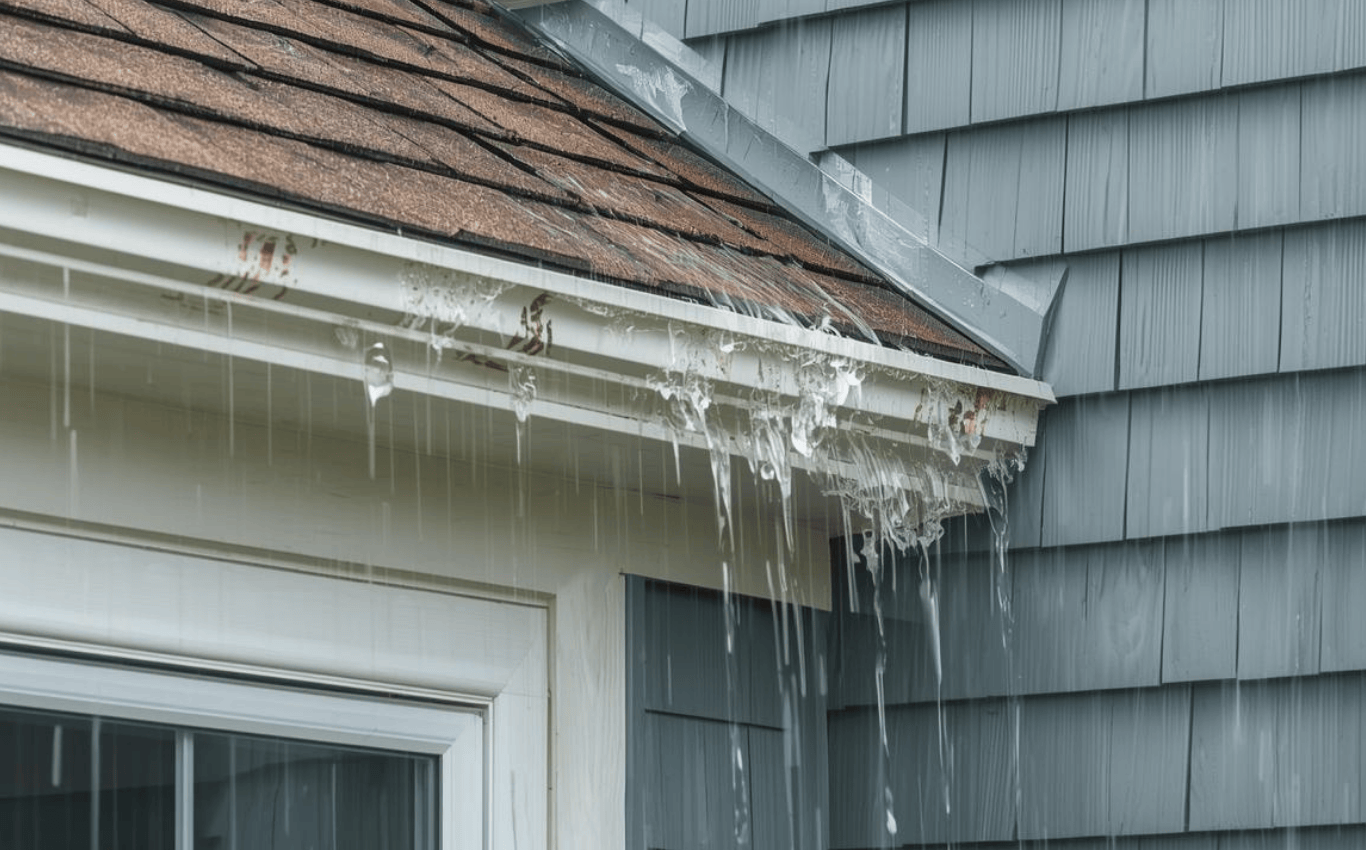
Even homes that appear solid and well-constructed can hide vulnerabilities beneath premium materials. In coastal environments like Long Island, water exposure isn’t occasional, it’s constant. Wind-driven rain, salt air, and temperature swings place continuous pressure on exterior systems, especially when roofing and siding details aren’t engineered to work together as a single envelope.
Water Moves Sideways More Than You Think
Most exterior systems are designed with gravity in mind, assuming water will move straight downward. In reality, coastal storms push rain sideways and upward, forcing moisture beneath shingles and behind siding assemblies. Without properly integrated roofing systems like those used in Cedar’s professional roofing services, water can travel into areas homeowners never see where it slowly weakens the structure.
Transition Points Are Water’s Favorite Targets
Roof planes don’t exist in isolation. They intersect with chimneys, dormers, skylights, and walls, creating transition points that must redirect water safely. These areas rely heavily on metal detailing. When generic flashing is used instead of precision-fit components created through custom fabrication, even small gaps become consistent entry points for moisture.
Time Is Water’s Greatest Advantage
Exterior materials expand and contract daily. Over time, this movement stresses fasteners and sealants. When details rely on caulking instead of engineered metal transitions, failure becomes inevitable. Many long-term issues visible across Cedar’s completed work showcased on the Projects page began with small detailing mistakes that only revealed themselves years later.
Why Standard Flashing and Off-the-Shelf Details Fall Short
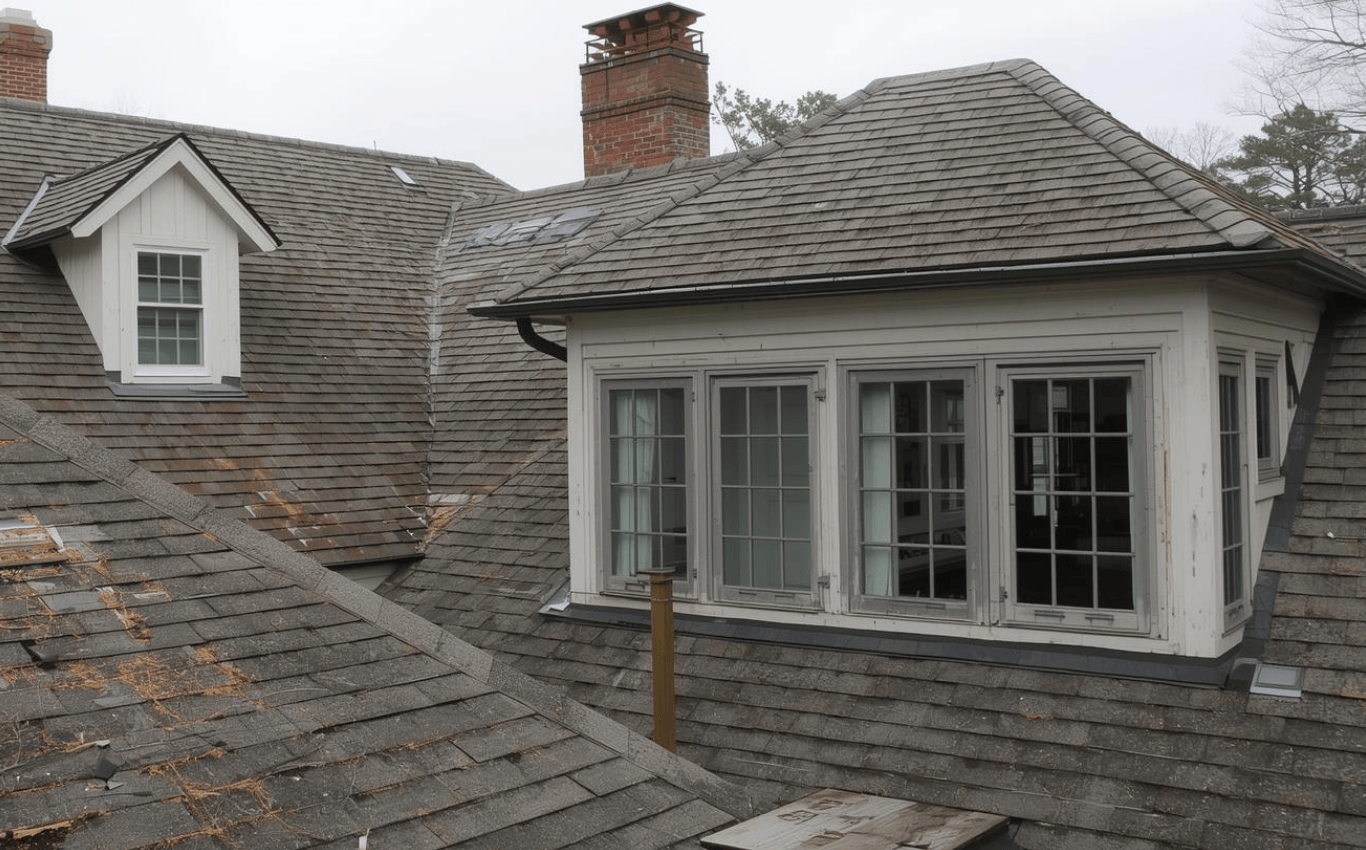
Mass-produced building components are designed for speed and convenience - not for complex architecture or coastal exposure. While they may meet minimum standards, they often fail under Long Island’s real-world conditions.
One-Size-Fits-All Rarely Fits at All
Pre-bent flashing comes in limited sizes and angles, forcing installers to cut, overlap, or improvise on-site. These compromises create seams in high-flow areas where water pressure builds. Over time, those seams fail. Custom metal details created through custom fabrication services eliminate these weak points by matching the exact geometry of the home.
Complex Rooflines Demand Custom Solutions
Modern homes frequently feature layered rooflines, dormers, and mixed materials. Trying to force standard flashing into these designs leads to exposed fasteners and trapped moisture. Cedar avoids these failures by integrating custom metal solutions directly into its roofing installations, ensuring water is redirected before it becomes a problem.
Details Matter More Than Materials
Homeowners often focus on upgrading shingles or siding while overlooking the metalwork that connects everything together. Flashing, drip edges, and terminations determine whether premium materials perform as intended. This same philosophy is reinforced in Cedar’s blog “The True Cost of Ignoring Small Roof Problems,” which explains how minor detailing failures lead to major repairs.
How Custom Fabrication Controls Water Instead of Fighting It
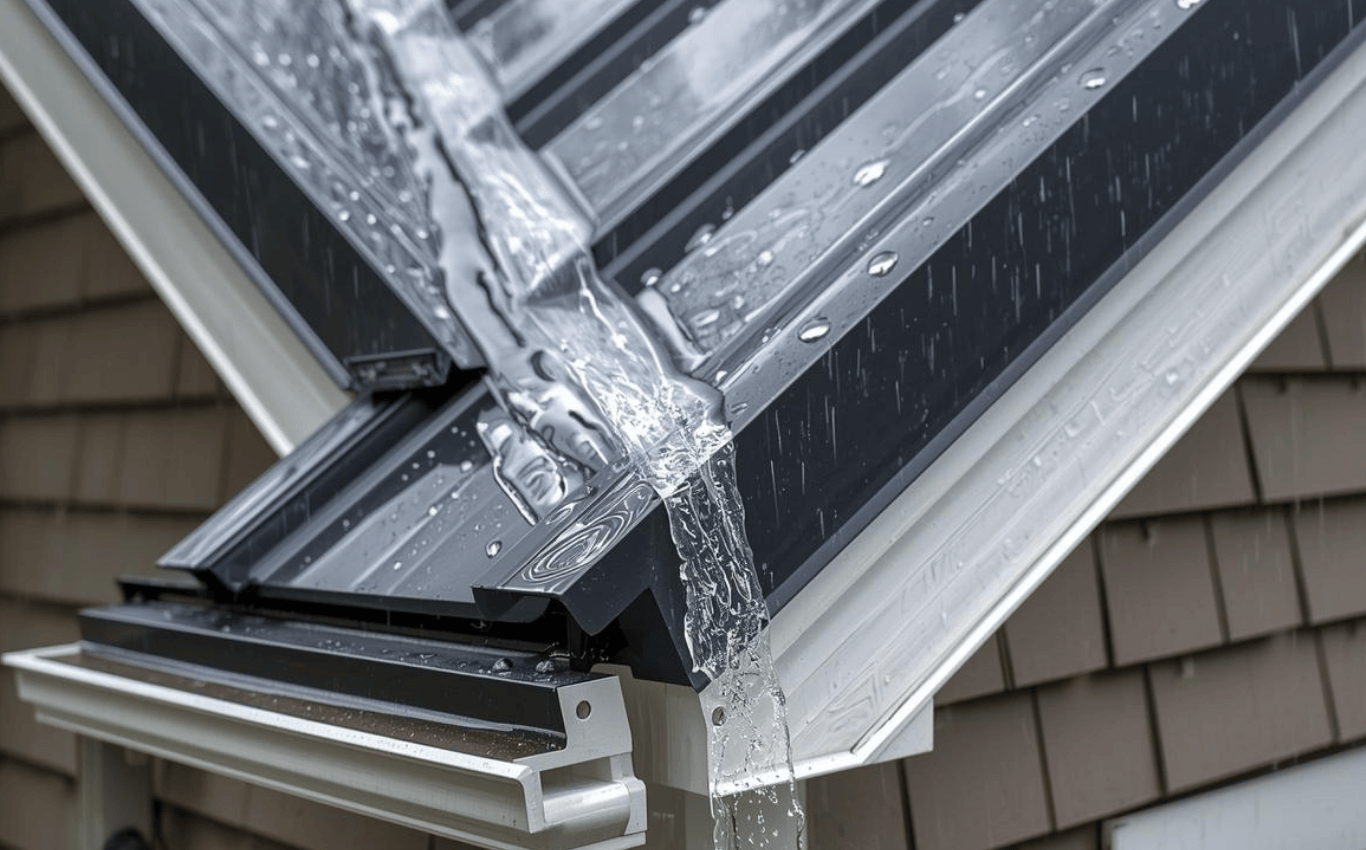
Water can’t be eliminated, But it can be guided. The most effective exterior systems work with water, not against it.
Designing for Flow, Not Resistance
Instead of trying to block water completely, custom-fabricated metal components are shaped to encourage continuous movement. Slopes, overlaps, and transitions are designed so water sheds naturally off the structure, reducing pressure on seams and preventing pooling at vulnerable areas.
Precision Where Roofing and Siding Meet
One of the most common failure points occurs where roofing systems transition into siding. Without proper metal integration, water can slip behind siding and remain hidden. Custom metal detailing ensures roofing and siding systems function together as a single protective envelope, preventing moisture buildup behind exterior walls.
Metal That Adapts to Movement
Properly designed metal details allow for controlled expansion and contraction without opening gaps. Hemmed edges, concealed fasteners, and layered overlaps move with the building instead of fighting it. This adaptability is what allows systems built with custom fabrication to remain watertight year after year.
Why Custom Fabrication Is the Difference Between Longevity and Constant Repairs
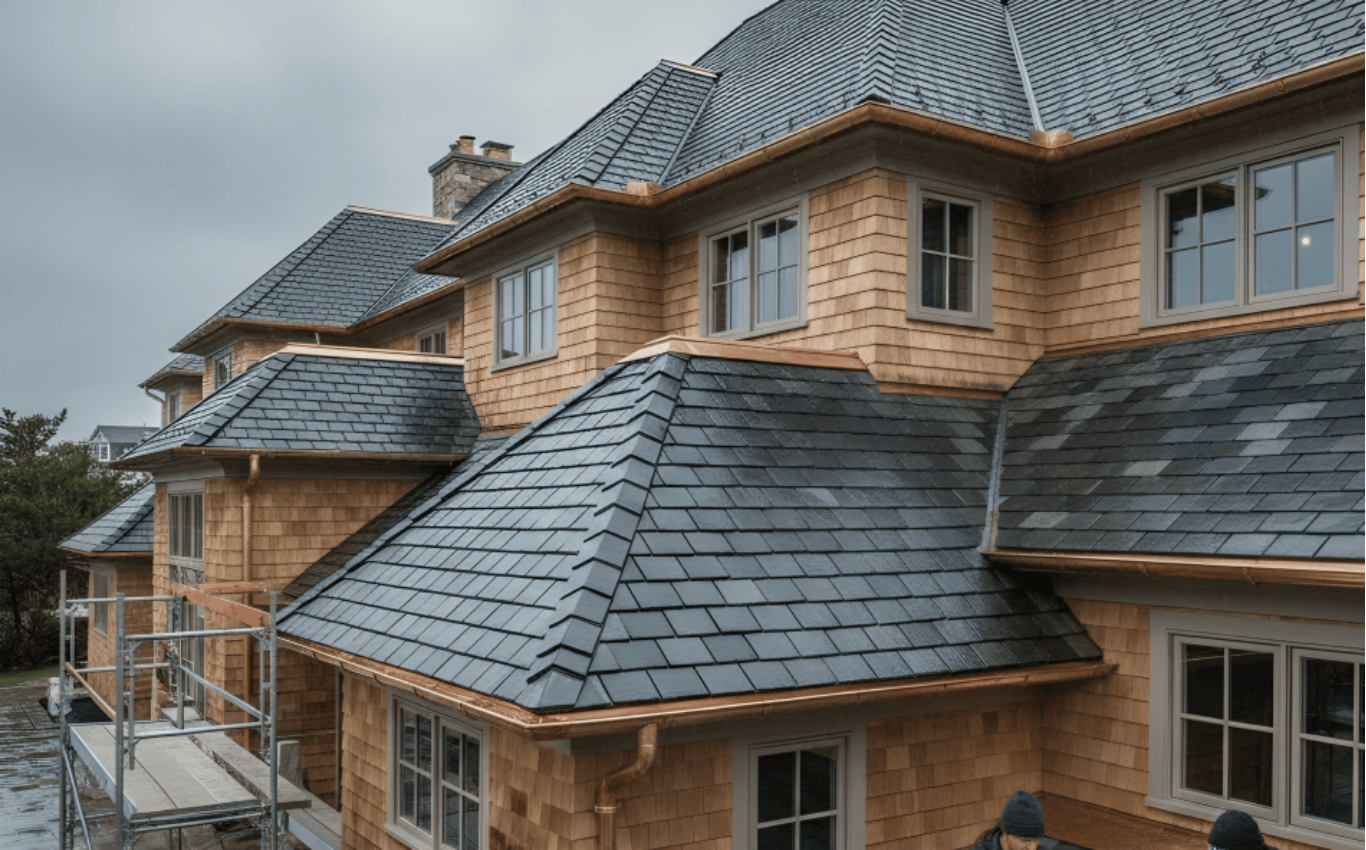
Custom fabrication is often misunderstood as an upgrade. In reality, it’s what separates long-lasting homes from those requiring ongoing repairs.
Small Leaks Create Big Problems
Water damage rarely announces itself. It starts with damp insulation, subtle staining, or minor warping issues that are easy to overlook. Over time, these small intrusions lead to structural rot and mold. Cedar addresses this long-term risk throughout its educational roofing content and real-world project work.
Premium Homes Require Precision, Not Patchwork
Luxury homes demand more than standard solutions. Their architectural complexity requires metalwork designed specifically for each structure. Custom fabrication ensures these homes age gracefully rather than developing hidden vulnerabilities beneath beautiful exteriors.
A Systems-Based Approach to Exterior Protection
Roofing, siding, and metalwork are not separate services, They are parts of one system. Cedar Solutions Roofing integrates roofing, siding, and custom fabrication services into a unified approach that manages water from the highest roofline down to the smallest transition detail.
Conclusion: Water Always Finds a Way, Unless Design Stops It First
Water doesn’t exploit flaws, it exploits assumptions. Homes that last are designed with water’s behavior in mind from the start. Custom fabrication doesn’t react to leaks, it prevents them. By shaping details specifically for a home’s architecture, climate, and exposure, Cedar Solutions Roofing turns water from a constant threat into a controlled element.
share via