.webp)

%252520(11).webp)
.webp)


© 2025 Cedar Solutions Roofing powered by Tauri social.
Blog Post
The Roof Timeline: What Happens Year 1, Year 5, and Year 15
A new roof doesn’t stay “new” forever. From the moment it’s installed, it begins a slow, predictable process of aging. Most homeowners think of roofing as something that works perfectly until it suddenly doesn’t, but the reality is very different. Roofing systems evolve over time.
They settle, adjust, expand, and gradually respond to weather, temperature, and environmental stress. On Long Island, where coastal conditions accelerate wear, understanding what happens to your roof over time is key to protecting your home. The real value of a roof isn’t just how it looks on day one, it’s how it performs years later.
Year 1: The System Settles and Stabilizes
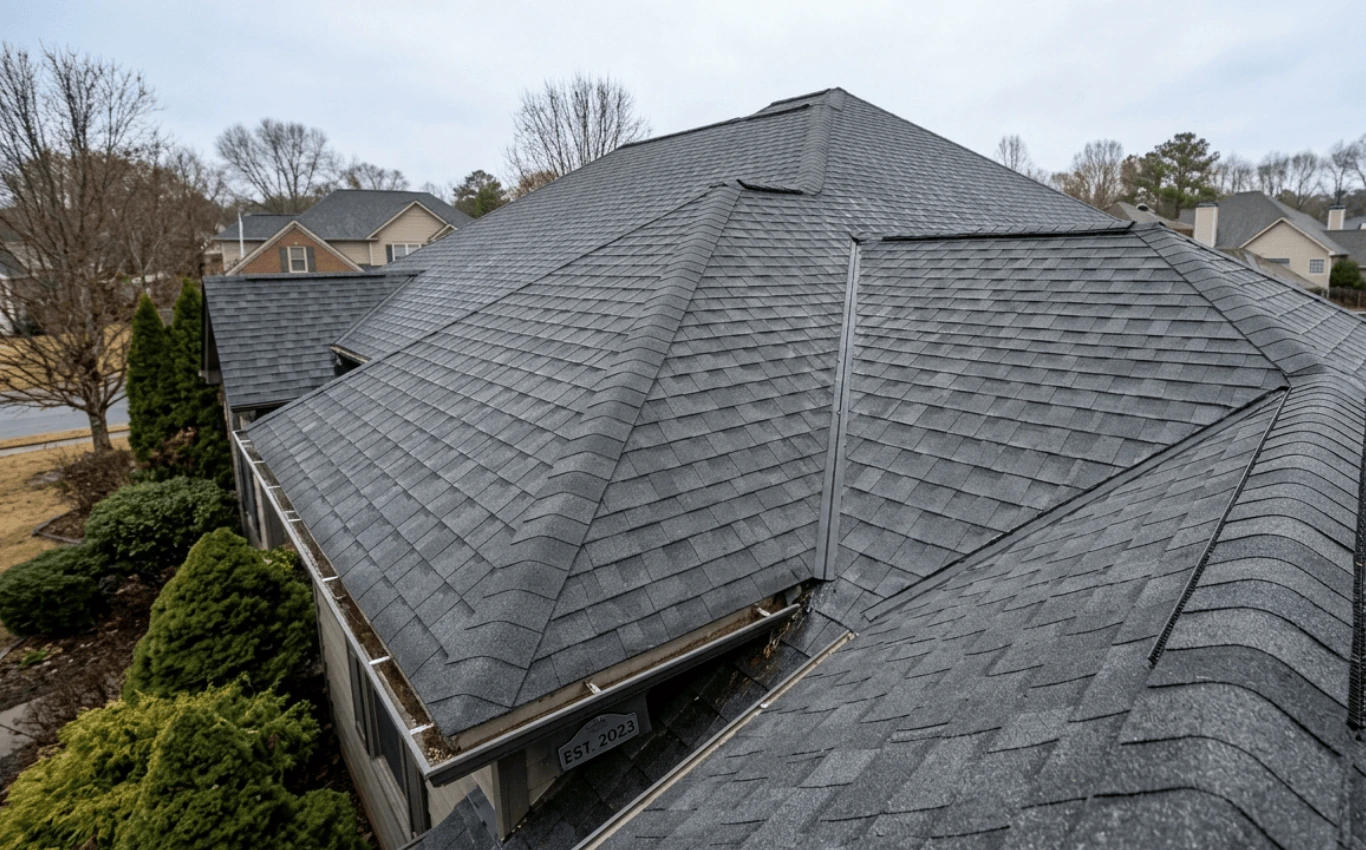
The first year is when everything adjusts from installation to real-world conditions.
Materials Begin to Set Into Place
After installation, roofing materials go through initial expansion and contraction cycles. Temperature changes cause slight movement as the system settles into its final position. Properly installed Roofing Systems are designed to handle this without stress.
Seals and Flashing Are Tested Early
The first few storms act as a real-world test. Water begins to move across valleys, edges, and transitions. If flashing and details are correctly installed, the system performs quietly and efficiently. If not, early signs of weakness may begin to show.
Ventilation Starts Doing Its Job
Airflow begins regulating temperature and moisture inside the roof structure. Proper ventilation prevents heat buildup and reduces internal stress, setting the foundation for long-term performance.
Year 5: Wear Becomes Visible
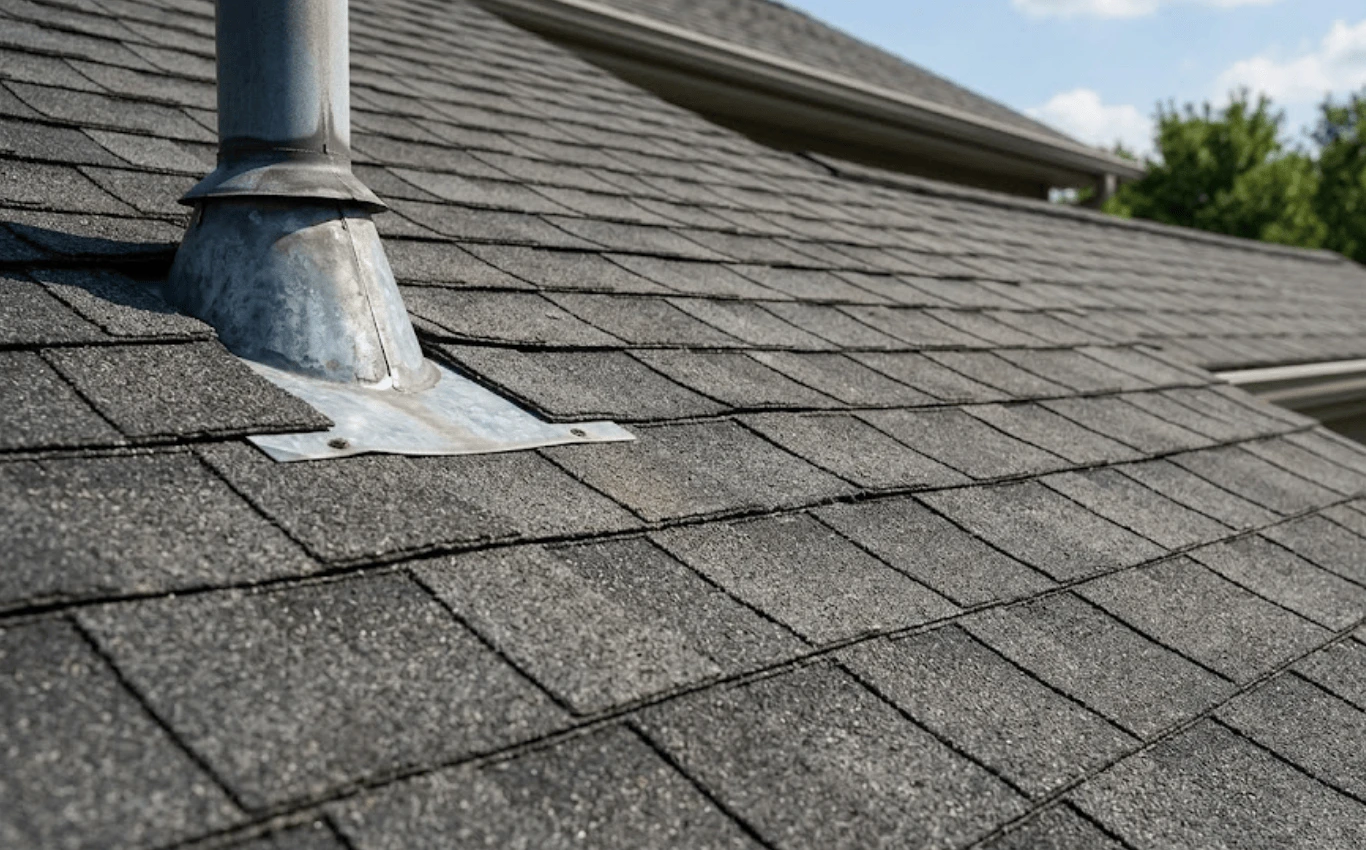
By year five, subtle changes start to appear, even on well-built roofs.
Surface Aging Begins
Shingles may show slight fading or minor granule loss due to UV exposure. This is normal and does not necessarily indicate failure, but it reflects ongoing environmental impact.
Movement Patterns Develop
Expansion and contraction cycles begin to establish patterns. Areas with poor installation or tight fastening may show early signs of stress such as slight warping or uneven lines.
Transitions Reveal Their Quality
Edges, flashing, and roof penetrations begin to show whether they were properly detailed. Precision work, especially from Custom Fabrication, holds up cleanly, while generic or rushed details may begin to weaken.
Year 10–15: Performance Separates Quality from Shortcuts
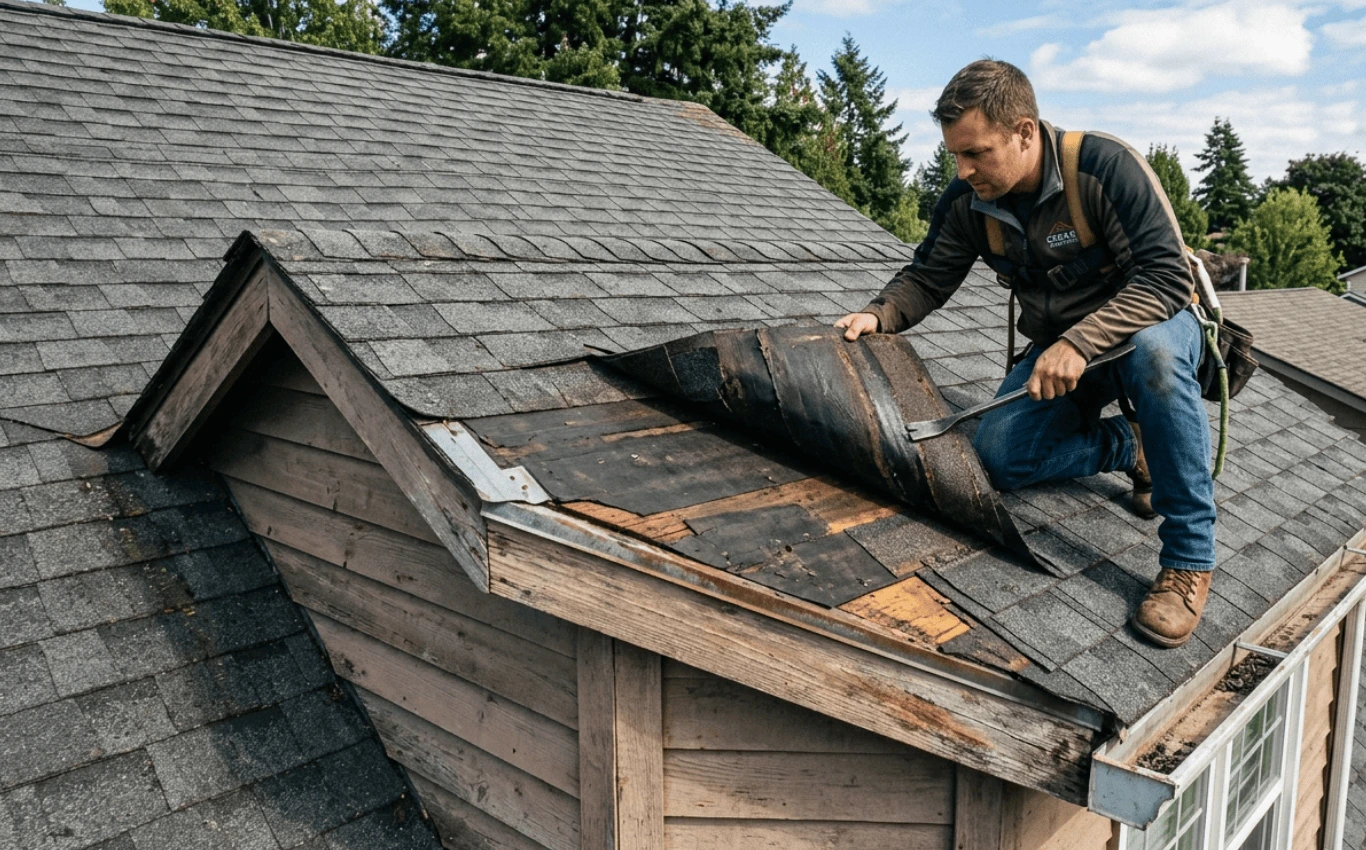
This is the stage where true roofing quality becomes clear.
Underlayment and Hidden Layers Matter Most
By this point, the outer layer is no longer the only line of defense. Underlayment, waterproof barriers, and ventilation systems play a critical role. Roofs built as complete systems continue to perform, while shortcut installations begin to show deeper issues.
Minor Issues Become Major Problems
Small weaknesses that started years earlier can develop into leaks, structural damage, or interior issues. Most roof failures at this stage are not sudden, they are the result of long-term neglect or poor initial design.
Integration With the Exterior System Is Tested
Roofing does not work alone. Connections with Siding Systems and structural elements determine how well the home resists water over time. Poor integration often leads to hidden moisture problems.
You can see how properly designed roofing systems hold up over time by exploring Cedar’s completed work on the Projects Page.
Why Some Roofs Age Gracefully While Others Don’t
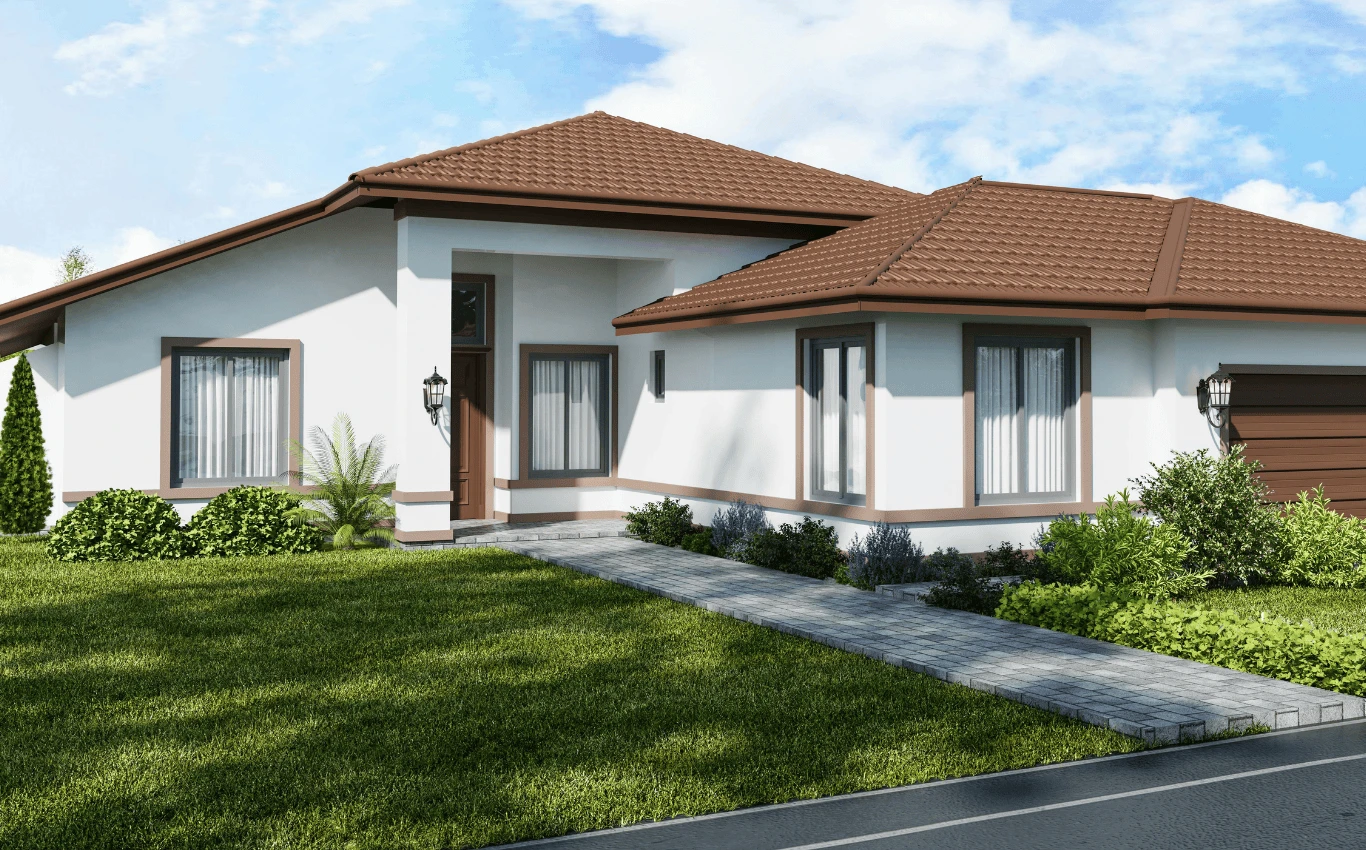
Not all roofs follow the same timeline.
System Design Makes the Difference
Roofs built as complete systems age gradually and predictably. Each layer supports the others, reducing stress and preventing sudden failure.
Installation Quality Determines Longevity
Even the best materials fail if they are not installed correctly. Precision, alignment, and attention to detail define how a roof performs over time.
Coastal Conditions Accelerate Everything
On Long Island, salt air, wind, and moisture speed up aging. Roofs that are not designed for these conditions may begin to fail earlier than expected.
Conclusion: Roofing Is a Long-Term Performance System
A roof is not a one-time installation, it is a long-term system that evolves over years. Understanding what happens at each stage helps homeowners make better decisions, not just at the time of installation, but throughout the life of the roof. The difference between a roof that lasts and one that fails early comes down to design, installation, and system integration. When roofing is approached with a long-term perspective, it becomes more than protection, it becomes a reliable part of your home’s structure.
share via