



.avif)
%252520(11).avif)


© 2026 Cedar Solutions Roofing powered by Tauri social.
Ready to strengthen the areas of your roof storms test first?
Schedule Your Roofing Consultation


Storm season doesn’t damage roofs evenly. While many homeowners picture strong winds and heavy rain hitting the roof as one large force, the reality is much more specific. Certain parts of the roofing system experience significantly more pressure, water exposure, and structural stress than others. During strong coastal storms, heavy summer rain, and sudden temperature shifts, these vulnerable areas are tested first.
When they begin to weaken, the rest of the roofing system quickly becomes more exposed as well. On Long Island, where changing weather conditions are part of every season, understanding these weak points is critical for preventing long-term damage. A durable roof is not defined only by the shingles you see from the street, but by how well the entire system protects its most exposed and vulnerable areas under pressure.
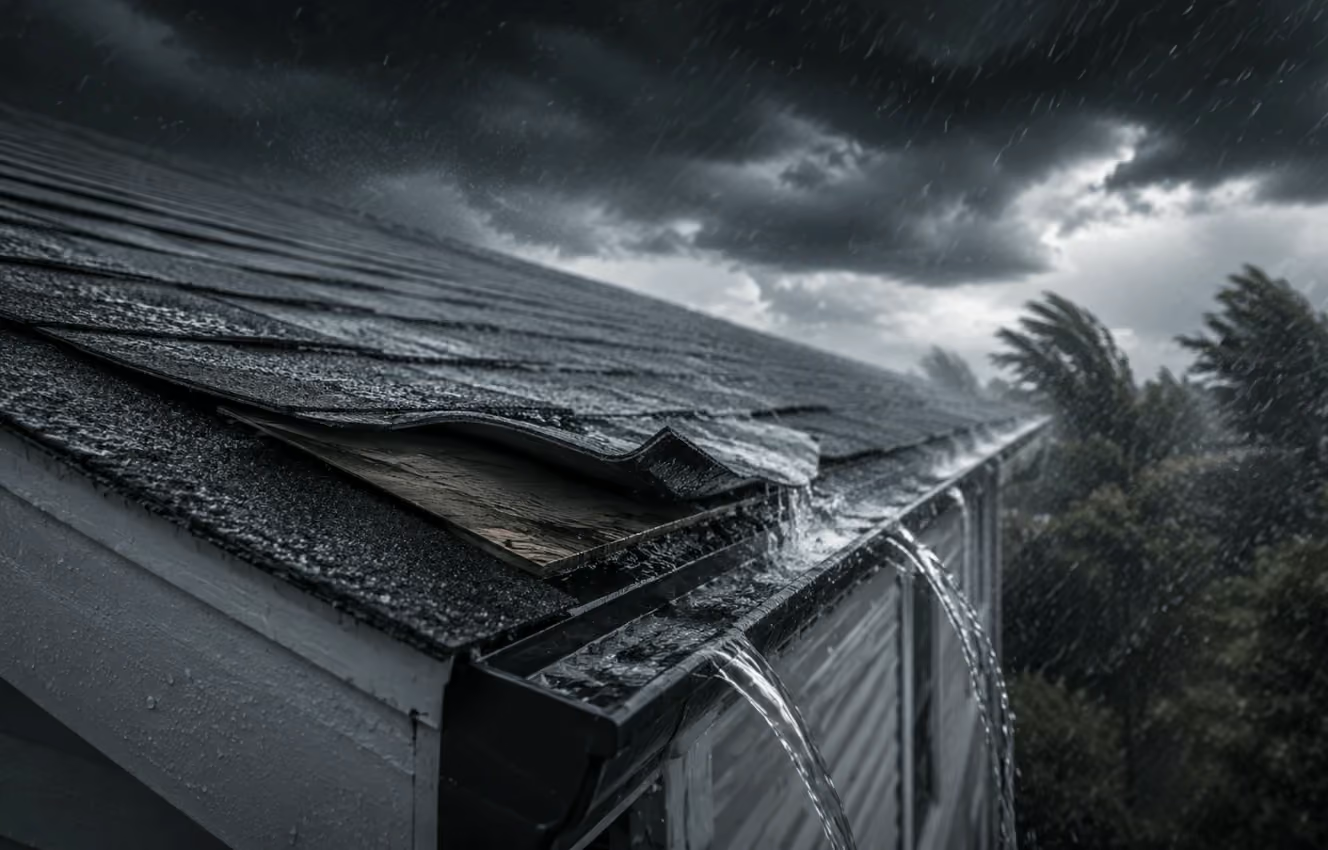
The perimeter of the roof experiences more stress during storms than almost any other section of the system. These edges constantly face changing wind patterns, concentrated water flow, and repeated exposure to moisture and temperature fluctuations throughout the year.
As wind moves across a home, it speeds up around roof edges and corners, creating strong uplift pressure along the perimeter. Instead of simply pushing downward, storm winds create both suction and lifting forces that continuously pull at roofing materials. Over time, this repeated stress can loosen improperly secured shingles, flashing, or drip edges. A professionally installed Roofing System is designed to distribute these forces more evenly and reduce concentrated pressure at the edges.
During heavy storms, large amounts of rainwater move quickly toward the edge of the roof. Without properly installed drip edges and flashing, water can curl underneath shingles and begin reaching fascia boards or structural wood beneath the surface. Because this type of damage often develops slowly, homeowners may not notice the problem until rot or moisture stains become visible much later.
Most major roofing failures begin as small edge problems that gradually expand over time. Once wind lifts even a small section of material near the perimeter, surrounding shingles and transitions become more vulnerable during future storms. This is why proper fastening, alignment, and edge detailing are some of the most important parts of long-term roof durability.
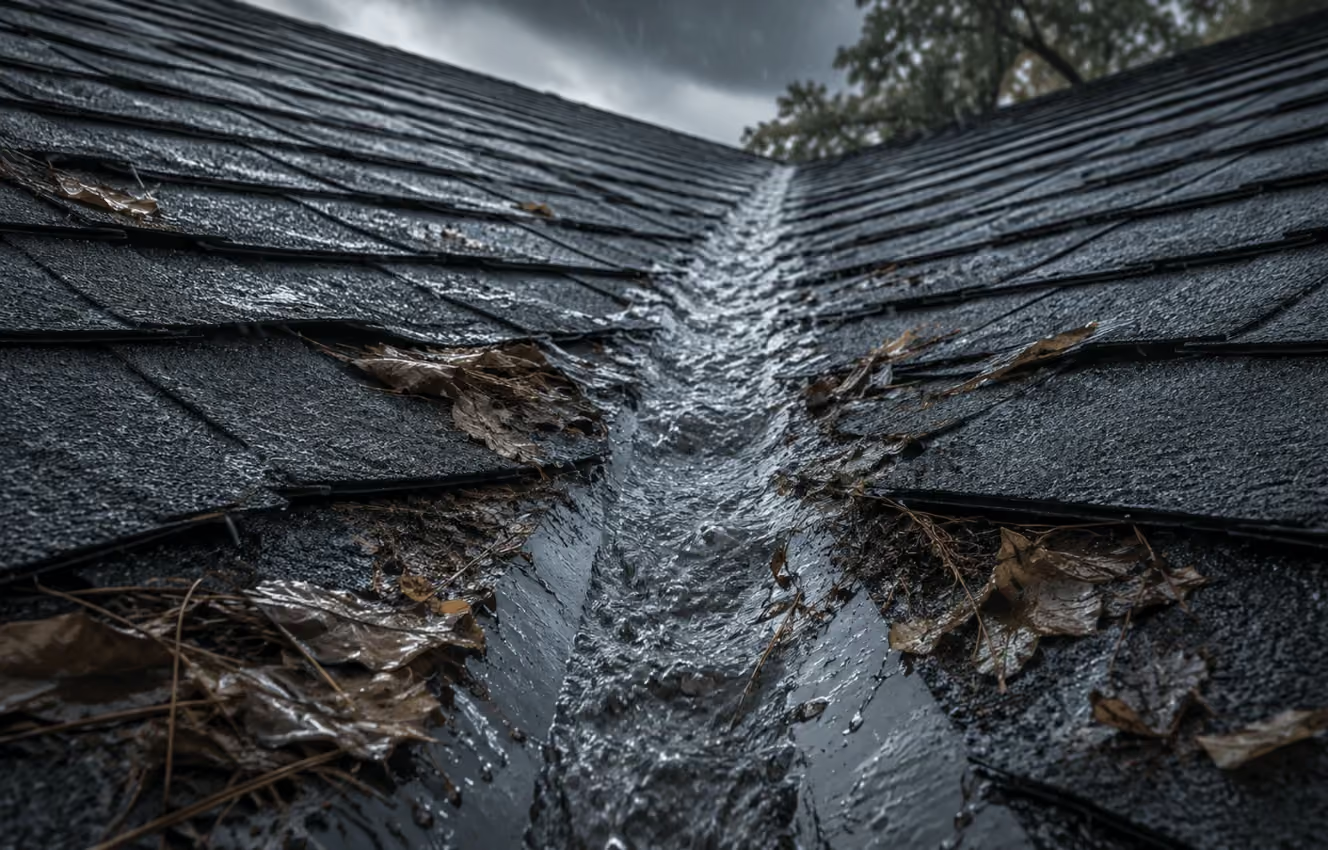
Roof valleys manage more water movement during storms than almost any other part of the roof. These areas naturally experience heavier drainage pressure because they collect water from multiple roof slopes at the same time.
Whenever two roof sections meet, they form a valley that channels water downward toward the edge of the home. During strong rainstorms, these valleys carry a significantly higher volume of water than flat roof surfaces. Even a small weakness in these areas can quickly lead to moisture intrusion because of the constant flow pressure concentrated in one location.
Leaves, dirt, and branches frequently gather inside roof valleys after storms or windy conditions. This buildup can slow drainage and trap moisture against roofing materials for extended periods of time. Over time, trapped debris increases wear and creates additional stress on shingles and flashing in these already vulnerable sections.
Because valleys combine heavy water movement with structural transitions, they require extremely precise installation and detailing. Proper flashing, alignment, and drainage design are essential for keeping water moving safely off the roof during severe weather conditions.
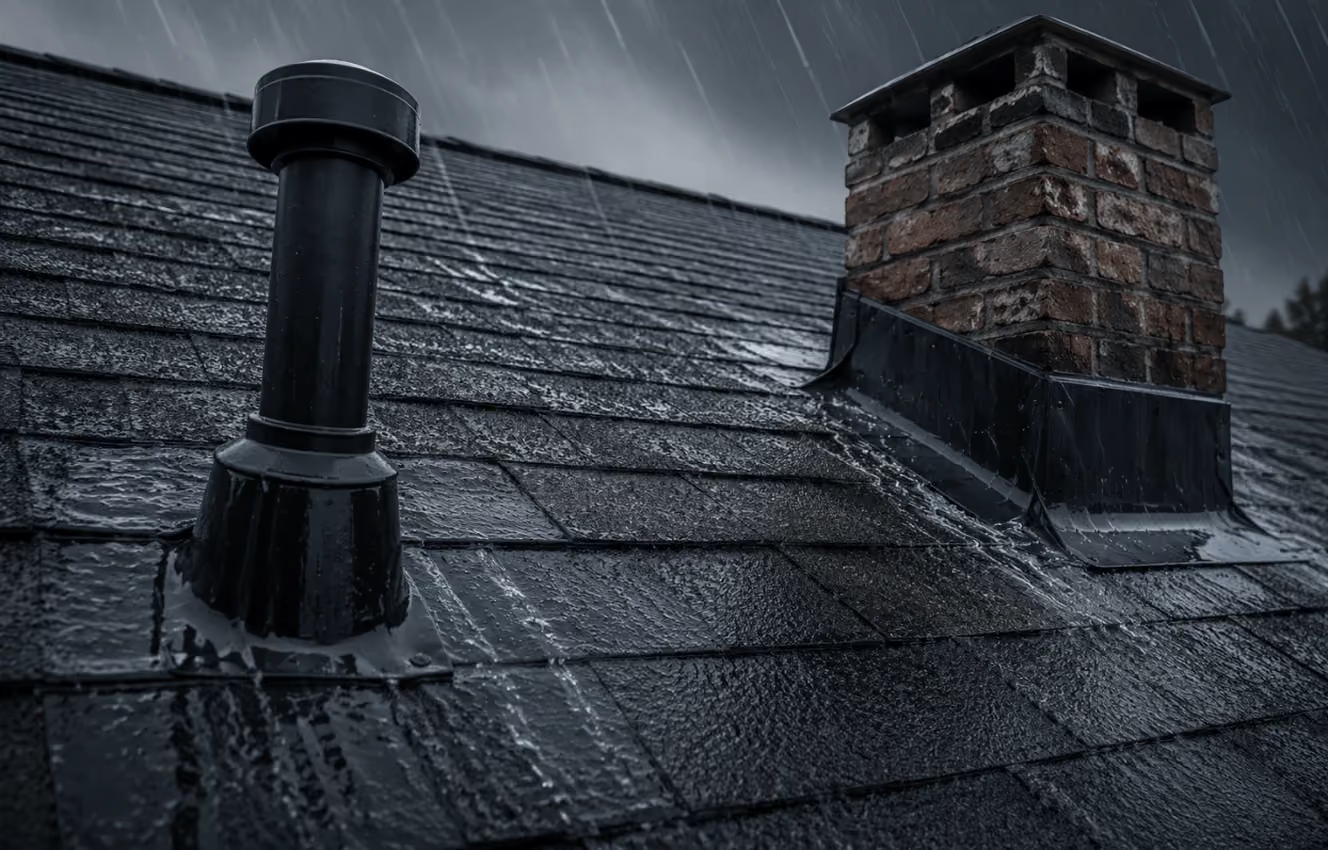
Every opening in the roof creates an interruption in the system, making these areas especially vulnerable during storm season. Chimneys, skylights, vents, and exhaust pipes all require precise detailing to remain watertight over time.
Roof penetrations naturally disrupt the smooth flow of water across the roof surface. During storms, rainwater often slows down or collects around these areas before continuing downward. If flashing is poorly installed or aging, moisture can begin entering small openings around the penetration points.
The protection around penetrations depends heavily on flashing design and installation quality. Precision Custom Fabrication helps create tighter, more durable transitions around vulnerable roof openings. Properly fabricated metalwork reduces weak points and improves long-term resistance against wind-driven rain.
Wind pressure, temperature changes, and repeated moisture exposure slowly weaken the seals around roof penetrations over time. Even minor movement during storms can create small openings that become larger problems during future weather events if left unaddressed.
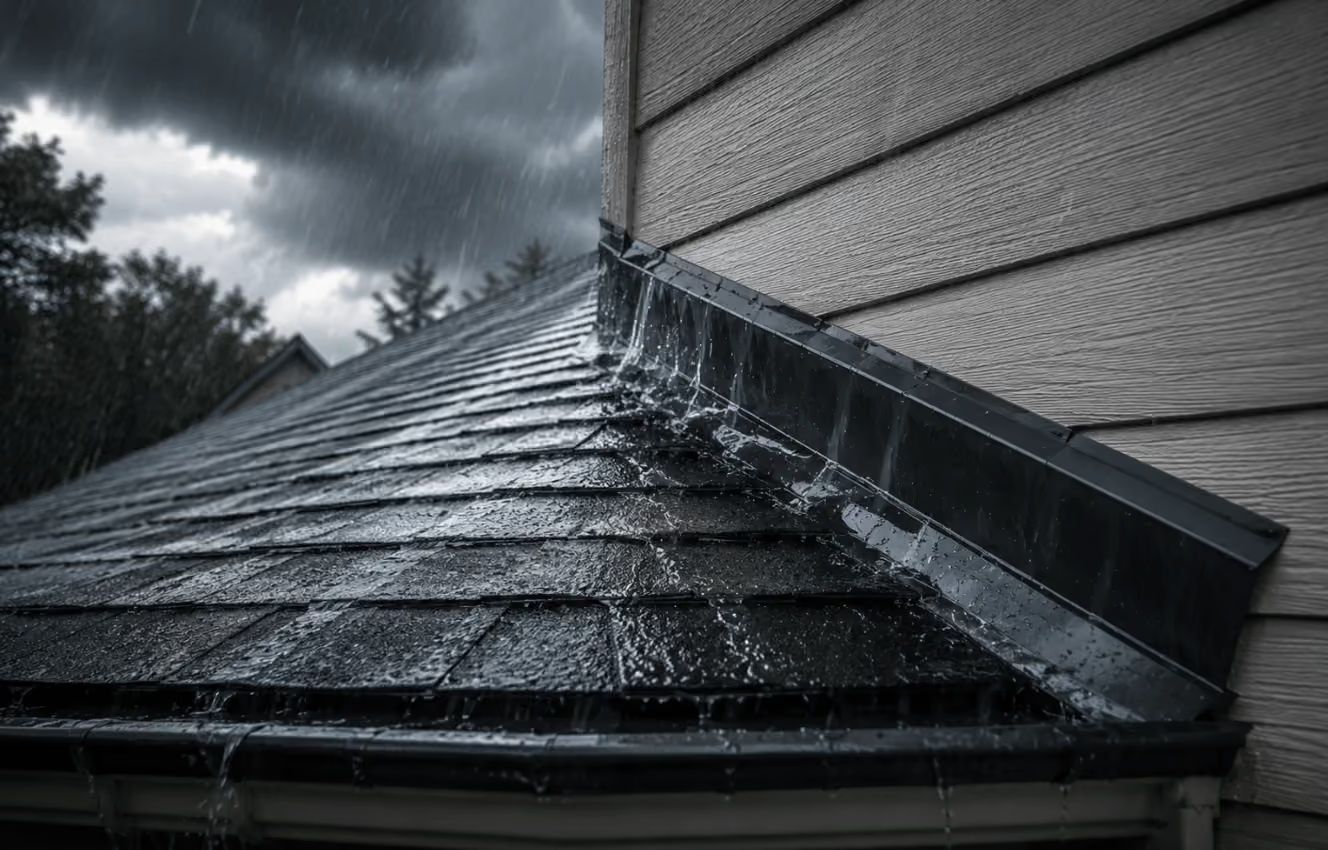
Roofing systems do not function independently from the rest of the exterior. The areas where the roof connects to walls and siding are some of the most important transition points on the home.
Roof-to-wall intersections redirect water from horizontal surfaces to vertical walls. During heavy rain, these areas experience concentrated moisture movement, increasing the risk of water entering behind materials if flashing and detailing are not properly installed.
Strong coastal winds create turbulence where roof slopes and walls meet. This constant pressure places additional stress on flashing and transitions, especially on homes exposed to open wind conditions near the coast.
The connection between roofing and Siding Sytems plays a major role in how effectively the exterior handles storms. When these systems are properly integrated, they work together to direct water and pressure away from vulnerable areas more efficiently.
You can see how Cedar designs exterior systems built for Long Island storm conditions by exploring completed projects on the Projects page.
Storms rarely damage a roof evenly. Instead, they expose weaknesses in the most vulnerable areas first, edges, valleys, penetrations, and transitions. When these sections are properly designed and reinforced, the entire roofing system performs more effectively under pressure. But when small weaknesses are overlooked, storm conditions quickly turn them into larger problems. Long-term roof durability depends on understanding how wind and water move across the structure and where stress naturally builds over time. On Long Island, where storms are part of every season, protecting these vulnerable areas is one of the most important steps in maintaining a reliable roofing system.
© 2026 Cedar Solutions Roofing powered by Tauri social.