


.avif)

.avif)


© 2026 Cedar Solutions Roofing powered by Tauri social.
Ready to strengthen your home’s first line of defense?
Design Your Siding System


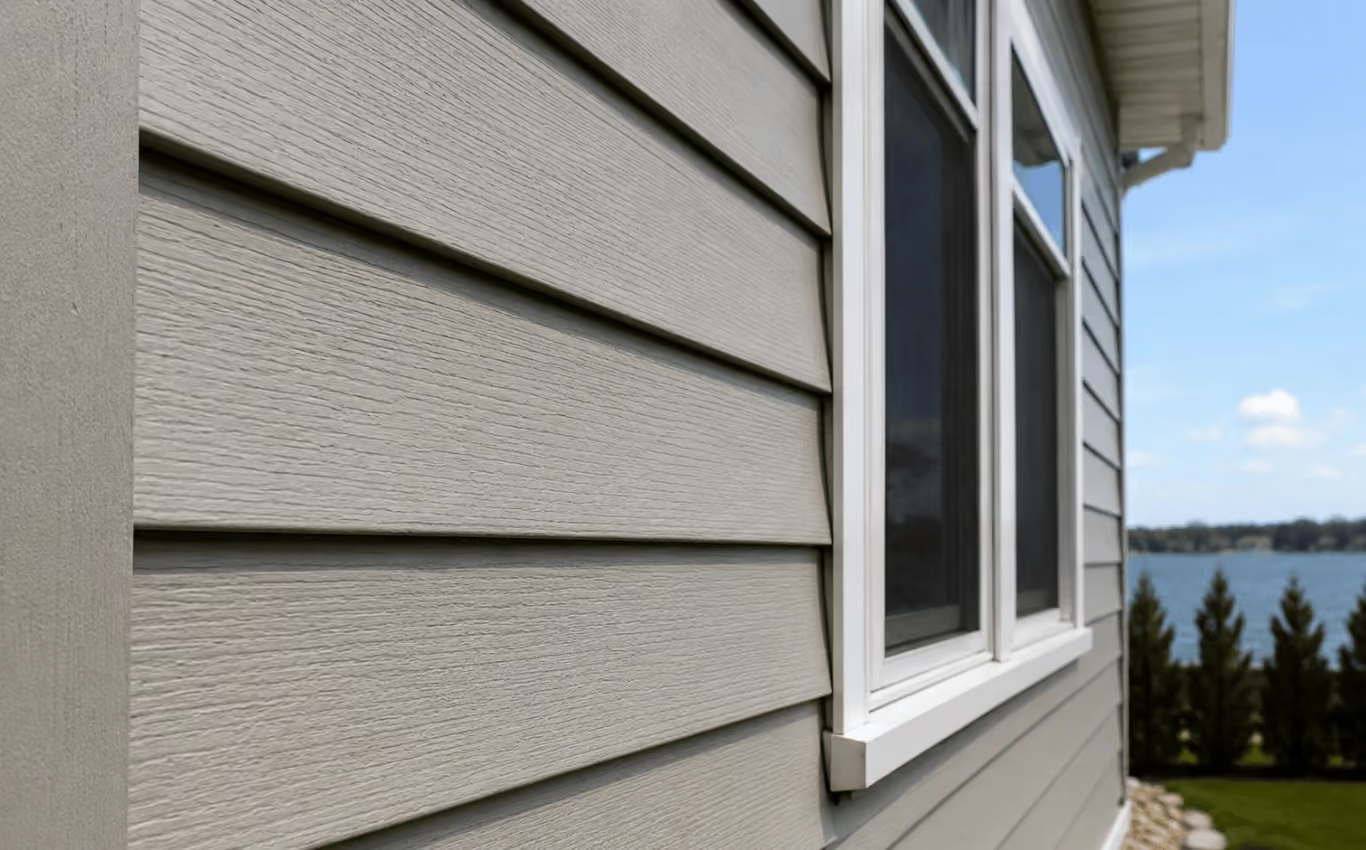
Most homeowners think of siding as a protective layer against rain and wind, something that shields the home from the elements while improving its appearance. But in reality, siding plays a much more important role than simply keeping water out. It acts as a critical barrier that manages pressure, controls moisture movement, regulates temperature, and protects the structural integrity of your home over time.
On Long Island, where coastal exposure, seasonal shifts, and environmental stress are constant, siding becomes an essential part of the home’s performance, not just its exterior look. When properly designed and installed, siding works as the first line of defense against forces that go far beyond weather alone.
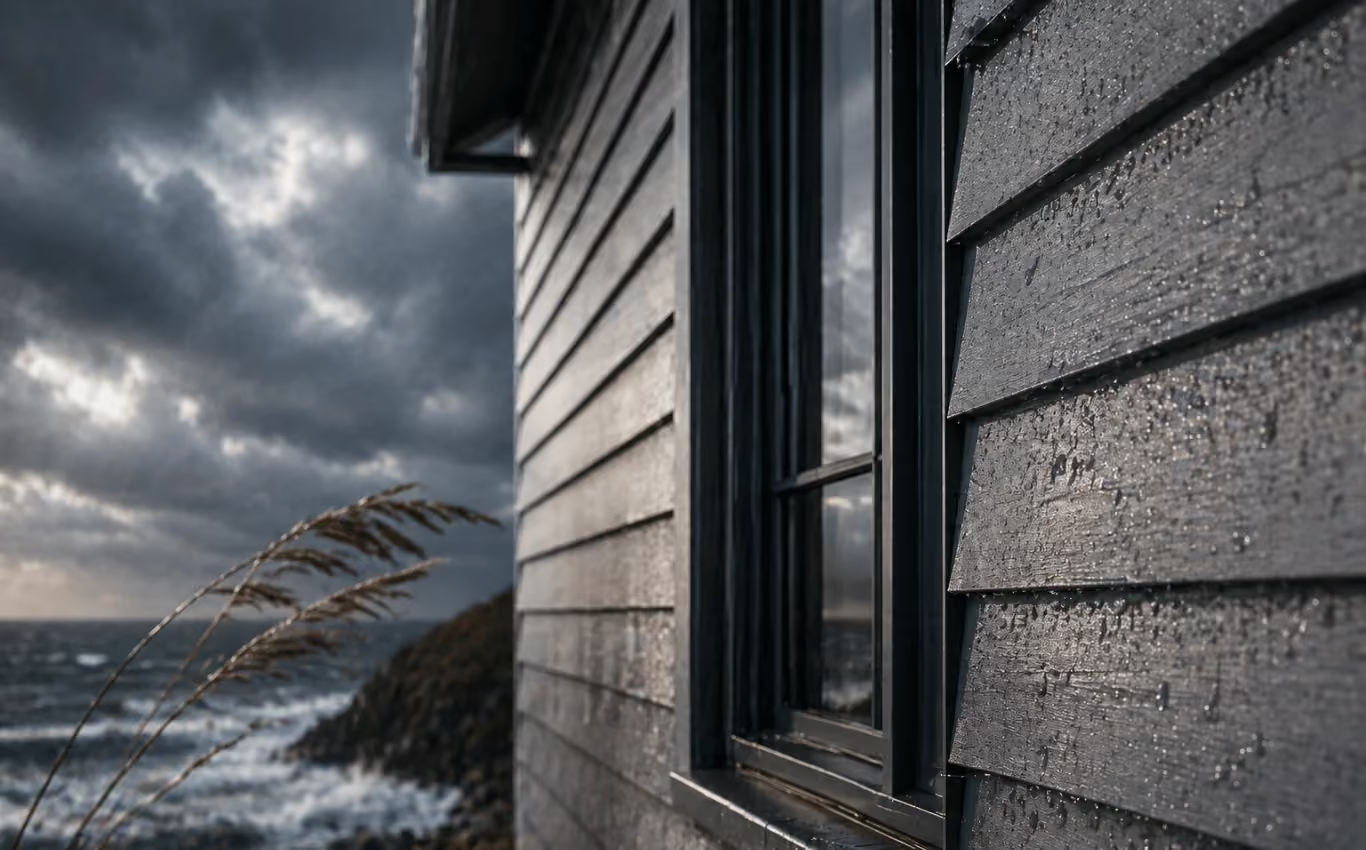
Weather is only one part of what your siding is constantly responding to.
Wind doesn’t simply hit your home and stop, it moves around it, creating pressure zones and areas of suction at different points. Over time, this constant force can loosen improperly installed siding or stress weaker areas of the structure. A well-designed Siding System helps distribute this pressure evenly across the surface, reducing strain and preventing long-term structural issues that may not be immediately visible.
As temperatures rise and fall throughout the year, siding materials naturally expand and contract. While this movement is subtle, it happens continuously and affects the overall stability of the system. If siding is installed too tightly or without proper spacing, it cannot adjust to these changes, which can lead to warping, cracking, or separation over time. Proper installation ensures that materials can move as needed without compromising protection.
Even when it’s not raining, moisture is still affecting your home through humidity, condensation, and coastal air. Over time, this constant exposure can weaken materials if it is not properly managed. Siding must be designed not just to resist moisture, but to control how it interacts with the surface and what happens when it gets behind it.
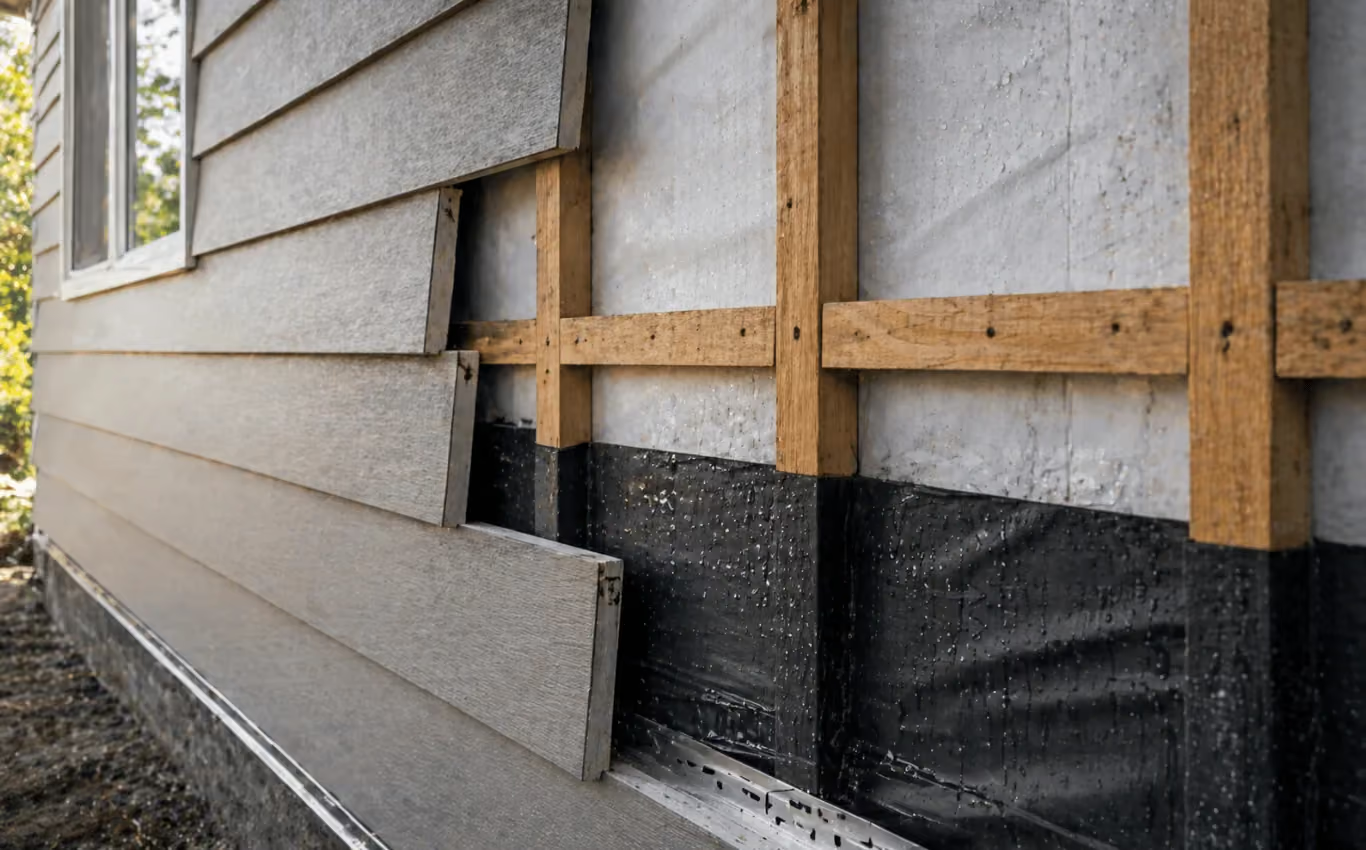
Keeping water out is only part of the system, managing it is just as important.
Rainwater rarely moves in a straight line. It follows seams, edges, and transitions, often collecting in areas where the surface changes direction. Siding is designed to guide that water safely downward and away from the structure. If this path is disrupted by poor alignment or improper detailing, water can begin to move in unintended directions, increasing the risk of hidden damage.
Behind every siding panel is a hidden system that helps manage moisture and airflow. This includes barriers, spacing, and drainage layers that allow water to escape rather than remain trapped. When these components work together properly, they prevent long-term issues that are difficult and expensive to repair.
When siding is not installed with precision, even small gaps or inconsistencies can allow moisture to enter. These issues are rarely visible from the outside but can lead to significant damage within the wall structure over time. This is why attention to detail during installation is just as important as the materials themselves.

Siding is not an isolated feature, it is part of a complete exterior system.
Water does not stop at the roofline, it moves from the roof down to the walls. If the transition between roofing and siding is not properly designed, moisture can bypass protective layers and enter the structure. Proper integration ensures that water is directed safely from one system to another without creating weak points.
Corners, windows, doors, and roof-to-wall intersections are where siding systems are most likely to fail. These areas experience the most movement and stress, making them more susceptible to water entry and pressure-related issues. Precision detailing in these locations is essential for long-term performance.
Homes that perform well over time are not simply built with high-quality materials, they are built with systems that are designed to work together. When siding, roofing, and structural elements are properly integrated, the result is a more durable and reliable exterior. You can see examples of this level of coordination in Cedar’s completed work on the Projects page.
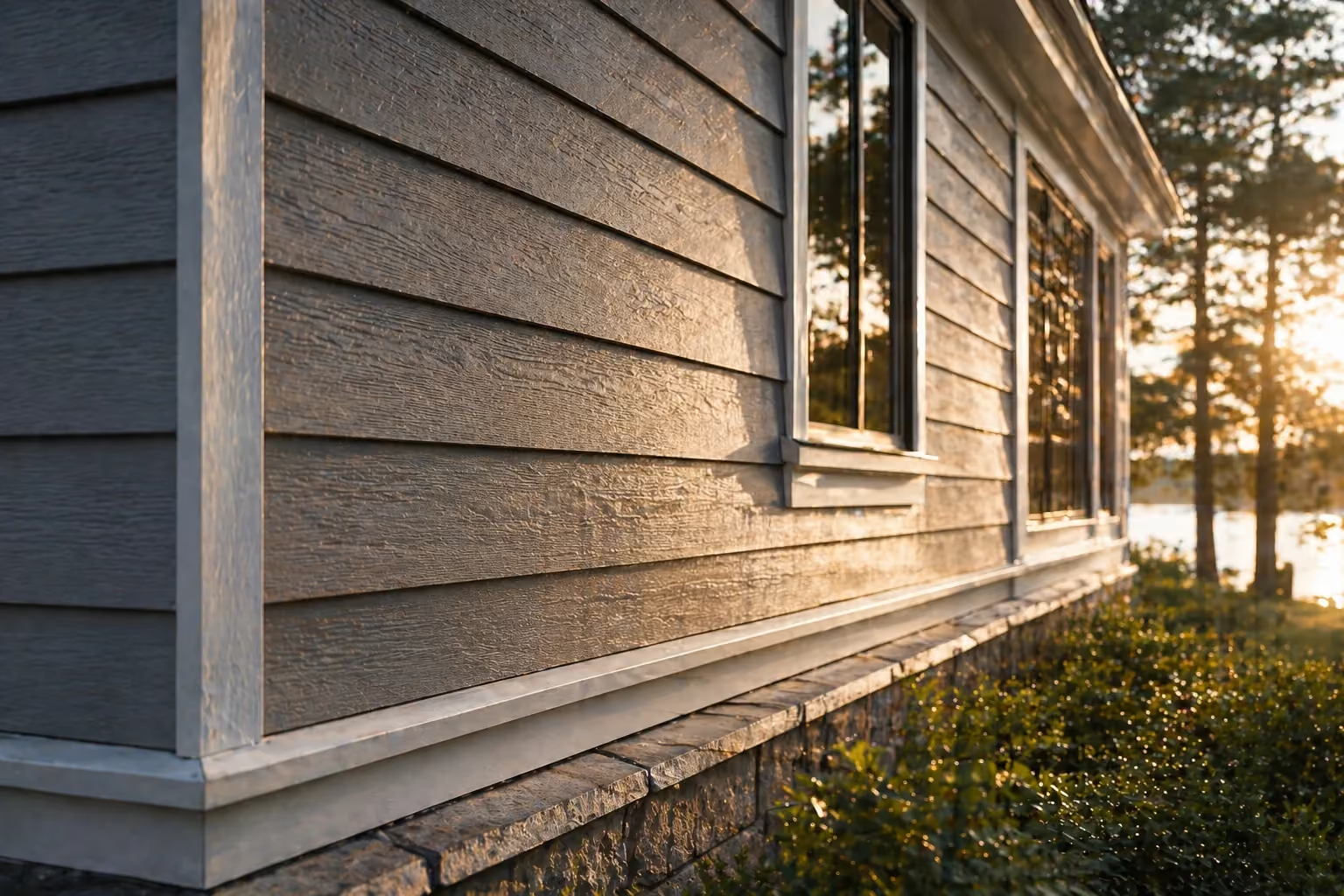
The true value of siding is revealed over time.
All exterior materials are affected by exposure to sun, wind, and moisture. The goal is not to prevent aging, but to ensure it happens gradually and does not compromise performance. Properly designed siding systems maintain their protective qualities even as they age.
Most siding problems do not happen suddenly. They develop over time due to small issues that were never addressed. This is why early signs of wear or misalignment should never be ignored. These small changes often indicate larger issues developing beneath the surface.
Material quality matters, but design and installation determine how long siding will actually perform. Proper spacing, alignment, and system integration all contribute to long-term durability. Even premium materials will fail if these factors are overlooked.
For more insight into how siding impacts long-term performance and design, you can explore our related blog posts on How Premium Siding Boosts Value and Curb Appeal in Long Island and why luxury homes treat siding as architecture, not cladding.
Siding is often viewed as a finishing touch, but it is one of the most important protective systems in your home. It does far more than block weather, it manages pressure, controls moisture, and supports the overall performance of the exterior. When siding is designed and installed with precision, it becomes a long-term investment in durability and stability. On Long Island, where environmental conditions are constantly changing, that level of protection is not optional, it is essential for maintaining the integrity of your home over time.
© 2026 Cedar Solutions Roofing powered by Tauri social.