%2520(5).jpeg)

%2520(97).jpeg)


© 2025 Cedar Solutions Roofing powered by Tauri social.
Blog Post
Roofing for Quiet Homes: Designing Against Wind, Rain, and Vibration
A truly well-designed home doesn’t just look solid, it feels calm. While homeowners often associate comfort with interior finishes or insulation, one of the biggest contributors to a quiet, stable living environment sits overhead. Roofing plays a far larger role in noise, vibration, and overall comfort than most people realize. Wind pressure, driving rain, and structural vibration don’t just test a roof’s durability - They shape how a home sounds and feels during storms. On Long Island, where coastal winds and heavy rain are part of everyday life, designing a roof for silence requires far more than standard materials. It requires intention, system thinking, and precise detailing.
Why Roof Noise Is a Design Problem, Not a Material Problem
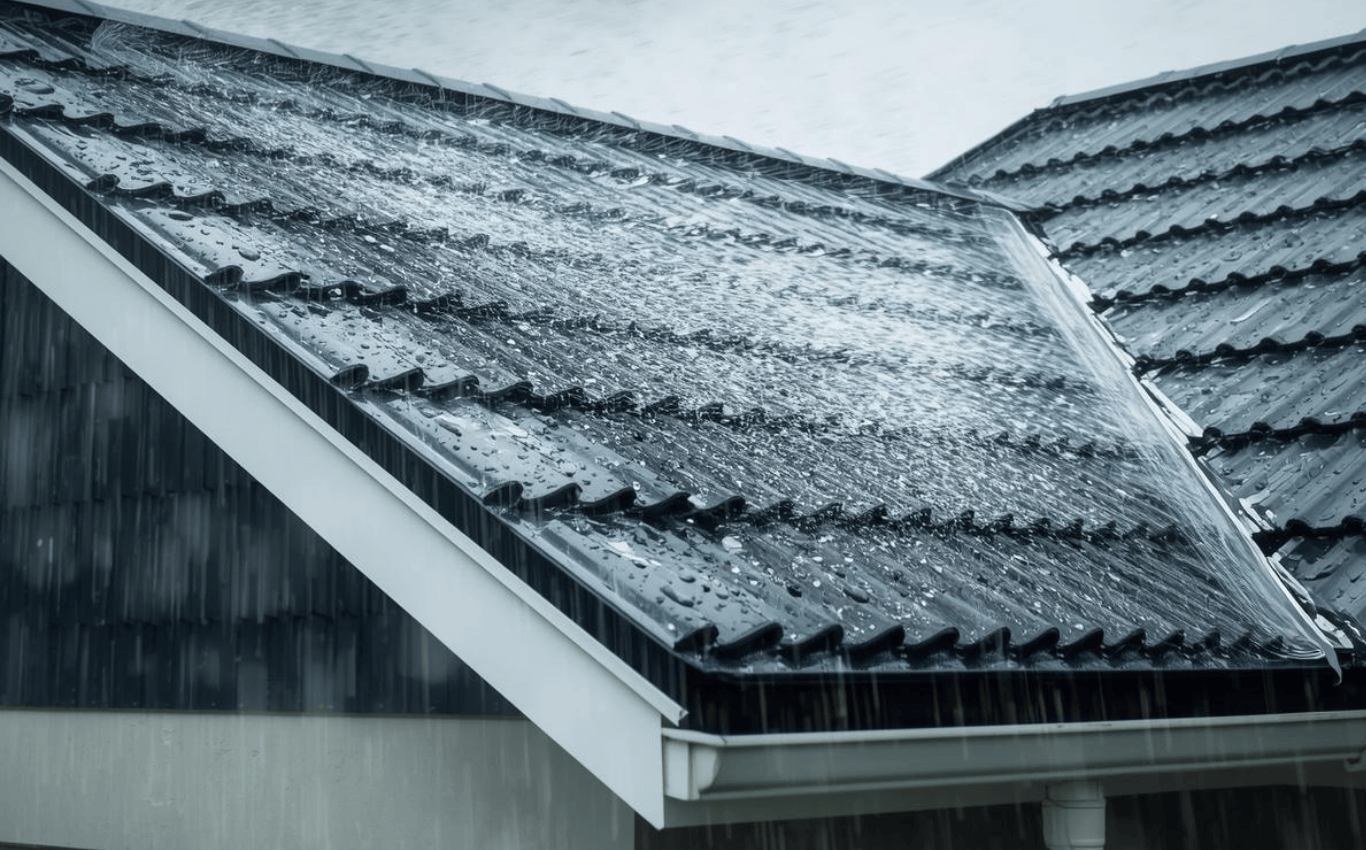
Many homeowners assume that noise comes from “cheap materials.” In reality, sound and vibration are almost always the result of how a roof is designed and assembled.
Wind Pressure Creates Movement Before It Creates Damage
Wind doesn’t hit a roof evenly. It creates uplift, suction, and turbulence, especially along edges, ridges, and corners. When roofing systems aren’t designed to manage these forces, even structurally sound materials can flex and vibrate. This movement transfers noise into the home, creating rattling, creaking, or low-frequency vibration that’s felt more than heard. Properly engineered Roofing systems account for these forces instead of reacting to them.
Rain Noise Is About Impact and Resonance
The sound of rain isn’t just about how hard water hits the roof, it’s about what happens next. Poorly layered assemblies allow impact energy to travel directly into the structure. A well-designed roof disperses that energy across multiple layers, reducing resonance and dampening sound before it reaches interior spaces.
Vibration Travels Through Weak Connections
Fasteners, seams, and transitions act as sound bridges. When these points are generic or over-reliant on sealants, vibration moves freely into framing and interior finishes. Quiet roofs minimize these transmission paths through tighter tolerances and engineered connections.
How Roof Design Controls Sound and Vibration
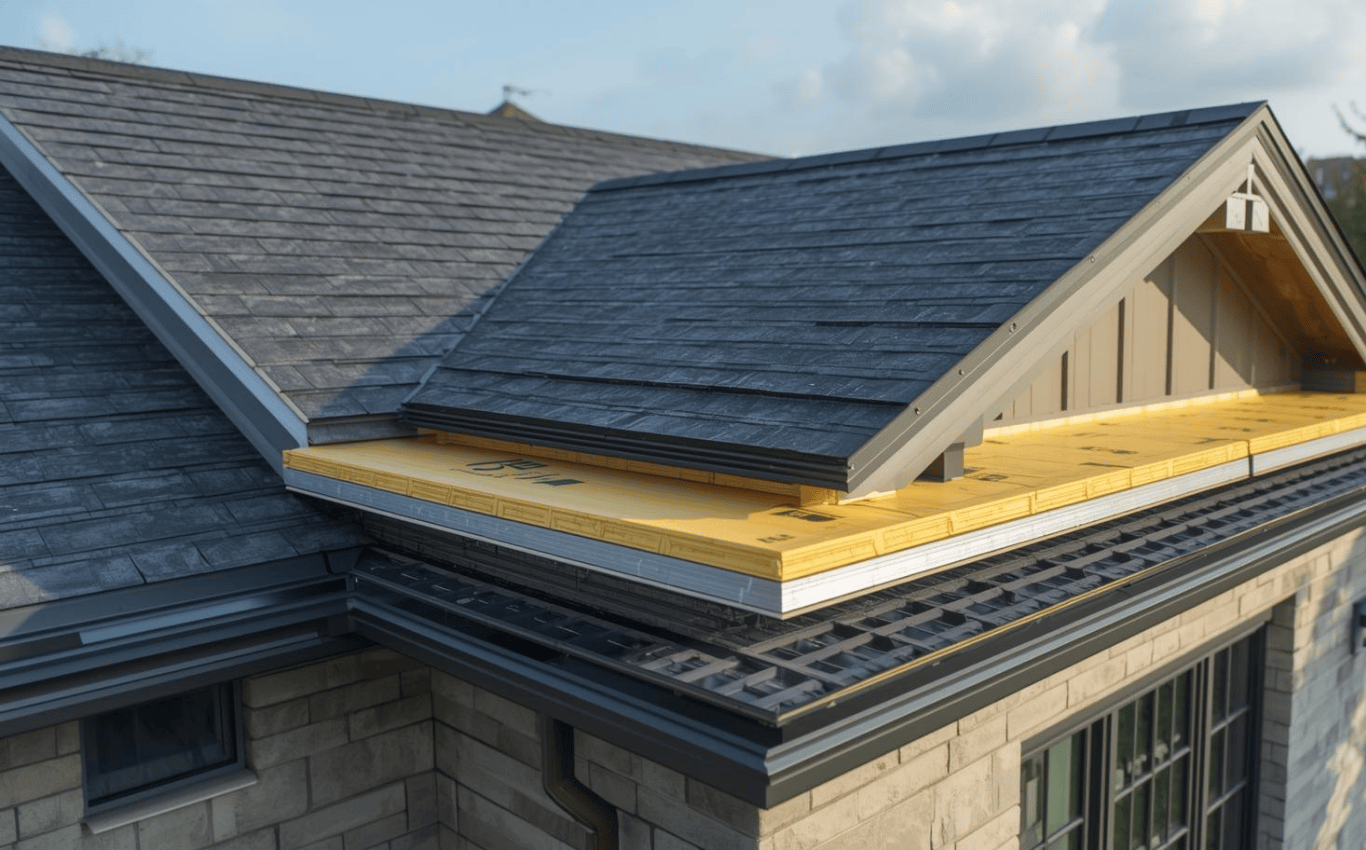
Quiet roofing starts with design decisions long before materials are installed.
Layering Matters More Than Thickness
Adding thicker materials doesn’t automatically reduce noise. What matters is how layers interact. Proper underlayment selection, spacing, and attachment methods work together to absorb impact and reduce vibration. This layered approach also improves moisture control and long-term performance.
Ventilation Plays a Bigger Role Than Expected
Roof ventilation isn’t just about temperature, it affects sound as well. Poor ventilation creates pressure buildup, which increases movement during wind events. Balanced airflow reduces stress on roofing components, helping the system remain stable and quiet during storms.
Edges Are the Loudest Part of the Roof
Most noise issues originate at roof edges, not in the field of the roof. Drip edges, rakes, and fascia details experience the most wind interaction. When these areas aren’t properly reinforced or integrated with custom metalwork, they become sources of vibration and noise, especially in coastal conditions.
The Role of Custom Fabrication in Quiet Roofing
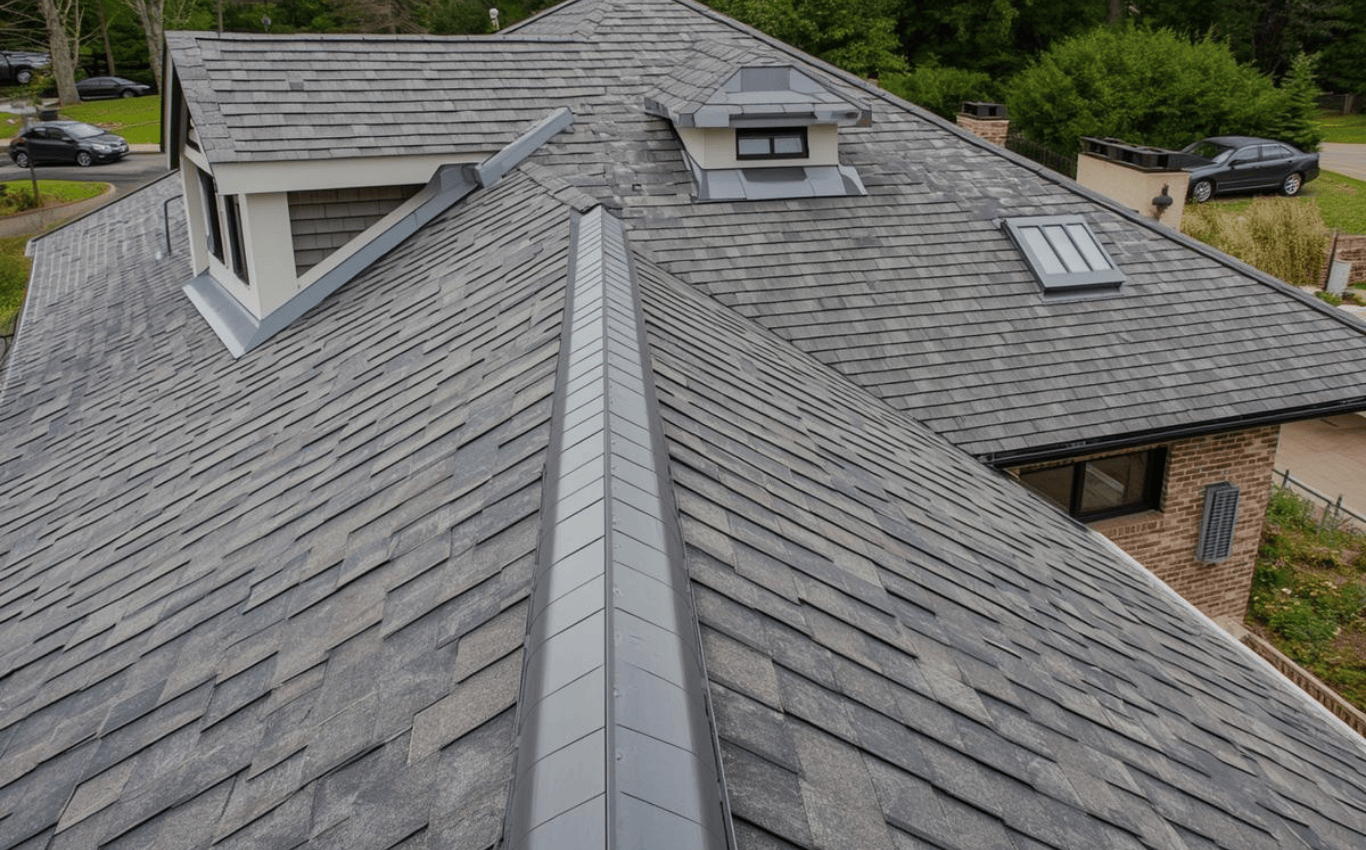
Standard roofing components are designed for speed and code compliance, not acoustic performance.
Precision Metal Reduces Movement
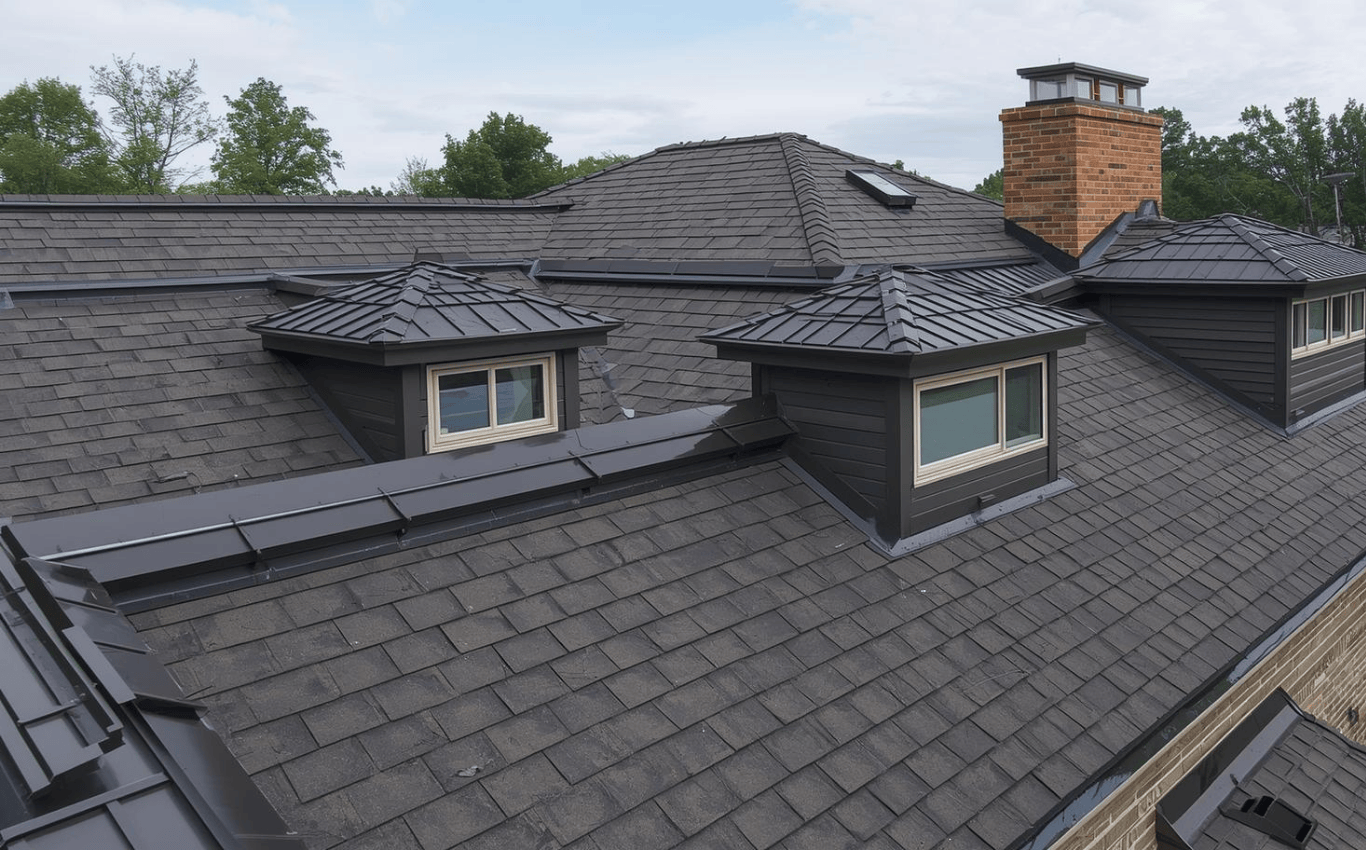
Custom-fabricated metal details are designed to fit the roof’s exact geometry, reducing gaps, flex points, and exposed fasteners. This precision limits movement under wind pressure and prevents the rattling often caused by ill-fitting off-the-shelf flashing. Cedar’s Custom Fabrication Services play a critical role in creating quieter, more stable roof systems.
Transitions Are Where Sound Escapes
Roof-to-wall intersections, dormers, and chimneys are common sources of both leaks and noise. Custom-designed transitions ensure these areas remain tight and stable, preventing vibration from traveling into the structure.
Quiet Roofs Are Also Drier Roofs
Movement and noise often indicate water vulnerability. When components flex, gaps open. By reducing movement through custom detailing, quiet roofs also become more water-resistant-an approach that aligns with Cedar’s broader exterior system philosophy.
Why Quiet Roofing Requires a Systems-Based Approach
A quiet home isn’t the result of one product, it’s the result of coordination.
Roofing, Siding, and Metalwork Must Work Together
Noise doesn’t stop at the roofline. Wind pressure and vibration interact with siding, trim, and wall assemblies. That’s why Cedar integrates roofing design with Siding Systems and metal detailing, ensuring the entire exterior envelope performs as a unified system.
Coastal Conditions Demand Higher Standards
Salt air accelerates material fatigue, while strong winds increase stress on fasteners and seams. Homes near the coast require tighter tolerances and more deliberate detailing to remain quiet over time. Many examples of this integrated approach can be seen across Cedar’s completed work on the Projects page.
Comfort Is a Long-Term Design Outcome
A roof that starts quiet but becomes noisy after a few seasons has failed its purpose. Long-term acoustic comfort comes from designs that anticipate movement, expansion, and weather exposure-not ones that rely on short-term fixes.
Conclusion: Quiet Is a Sign of a Well-Designed Roof
Silence isn’t accidental. In roofing, quietness is the result of careful design, precise detailing, and systems thinking. Homes that feel calm during storms are protected by roofs that manage wind, rain, and vibration instead of simply resisting them. On Long Island, where exterior conditions are demanding and comfort matters year-round, quiet roofing is a mark of quality-not a luxury add-on. Cedar Solutions Roofing understands that the best roofs aren’t just strong or beautiful, They’re thoughtfully engineered to be felt as little as possible.
share via