



© 2025 Cedar Solutions Roofing powered by Tauri social.
Blog Post
Why Premium Roofing Is a System, Not a Product
Many homeowners approach roofing as a product decision. They compare shingle brands, colors, warranties, and price points. But premium roofing is not defined by the shingle you choose, it’s defined by how every layer, transition, and detail works together. A roof is not a surface, it’s a system. And on Long Island, where wind pressure, salt air, and seasonal extremes constantly test exterior structures, the difference between a product-based roof and a system-based roof becomes clear over time. Premium roofing performs because it is engineered as a coordinated assembly, not installed as a collection of parts.
A Roof Is More Than What You See
.png)
The visible shingles are only one component of a much larger structure.
The Surface Layer Is Only the First Defense
Shingles protect against UV exposure and direct rainfall, but they are not designed to handle every condition alone. Underlayment, ice and water barriers, ventilation pathways, and flashing details work beneath the surface to manage moisture and pressure. Without proper coordination of these layers, even the highest-grade shingles will fail prematurely. This is why professionally engineered Roofing Systems outperform product-only installations.
Underlayment Determines Longevity
Hidden beneath shingles, underlayment acts as the secondary barrier against moisture intrusion. When installed incorrectly or chosen without regard for climate exposure, it becomes the weak link in the system. Premium roofing treats underlayment as a critical structural component, not an afterthought.
Ventilation Controls Structural Health
Improper ventilation shortens roof lifespan by trapping heat and moisture within the attic structure. Balanced intake and exhaust airflow regulate temperature and reduce material stress, preventing premature aging. A roofing system must account for airflow dynamics, not just surface coverage.
Transitions Define Performance
.png)
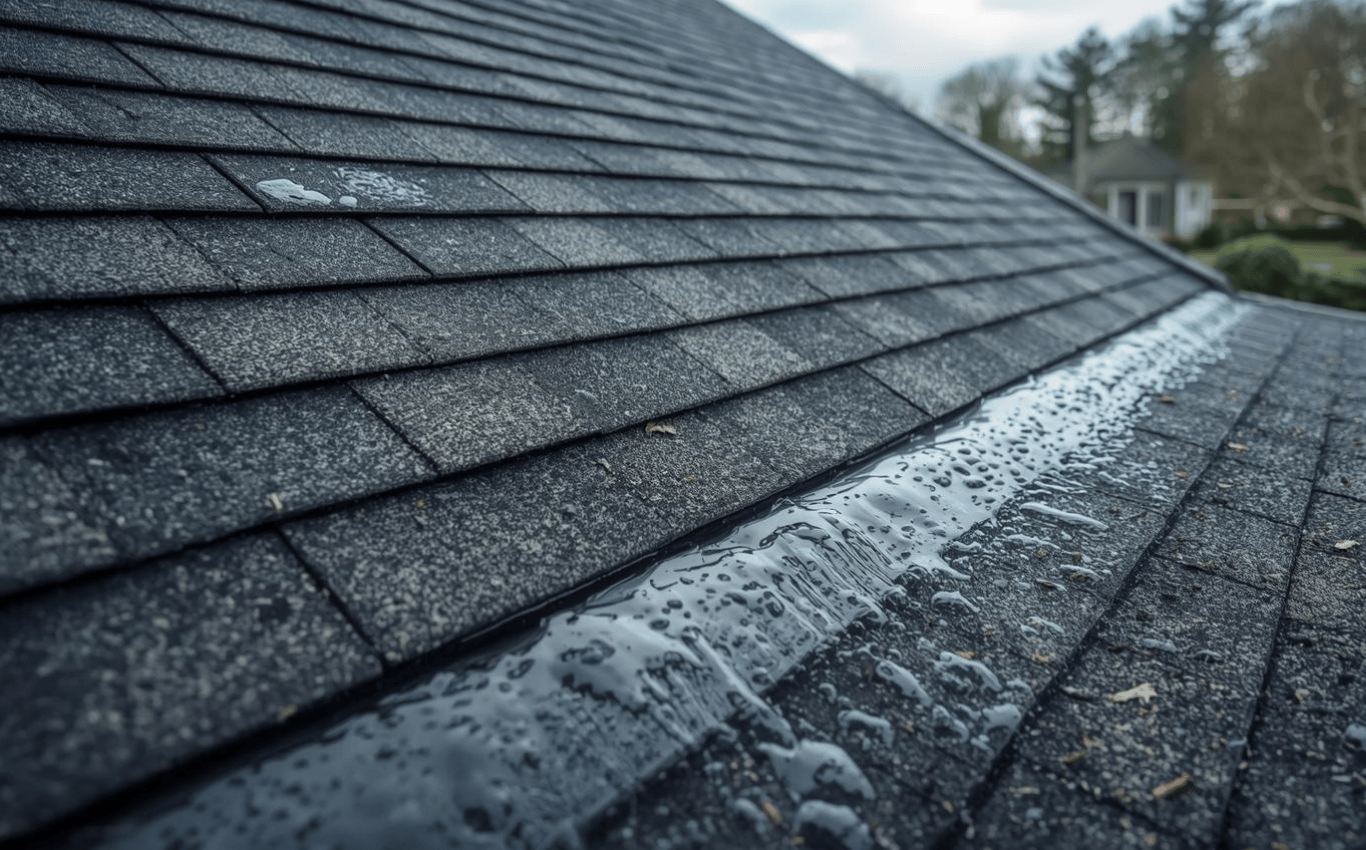
Most roof failures don’t begin in the middle of the roof, they begin at transitions.
Valleys, Edges, and Penetrations Are Vulnerable
Roof valleys concentrate water flow. Chimneys, skylights, and dormers interrupt surface continuity. These intersections experience amplified stress during storms. When transitions rely on generic flashing or excessive sealant, they become points of weakness.
Custom Fabrication Creates Precision
Premium roofing systems rely on precision metal detailing to eliminate gaps and control water flow. Properly designed flashing and edge treatments reduce movement and improve long-term durability. Cedar’s Custom Fabrication Services ensure that roof transitions are engineered to fit the structure, not improvised on site.
Edges Experience the Most Wind Pressure
Wind uplift forces are strongest at corners and roof edges. Without reinforced drip edges and properly integrated fascia transitions, even high-quality shingles can lift over time. System-based roofing accounts for pressure zones rather than assuming uniform exposure.
Roofing Must Work With the Entire Exterior Envelope
.png)
A roof cannot perform independently of the rest of the home’s exterior.
Roof and Siding Integration Is Critical
Water does not stop at the roofline. Improper roof-to-wall integration allows moisture to bypass flashing and migrate behind siding. Coordinated installation between roofing and Siding Systems prevents hidden infiltration.
Coastal Conditions Require System Thinking
Long Island homes face salt air corrosion, freeze-thaw cycles, and high winds. Premium roofing systems are designed with these environmental forces in mind, not as isolated product upgrades. System design ensures that materials expand, contract, and perform together.
Performance Extends Beyond Aesthetics
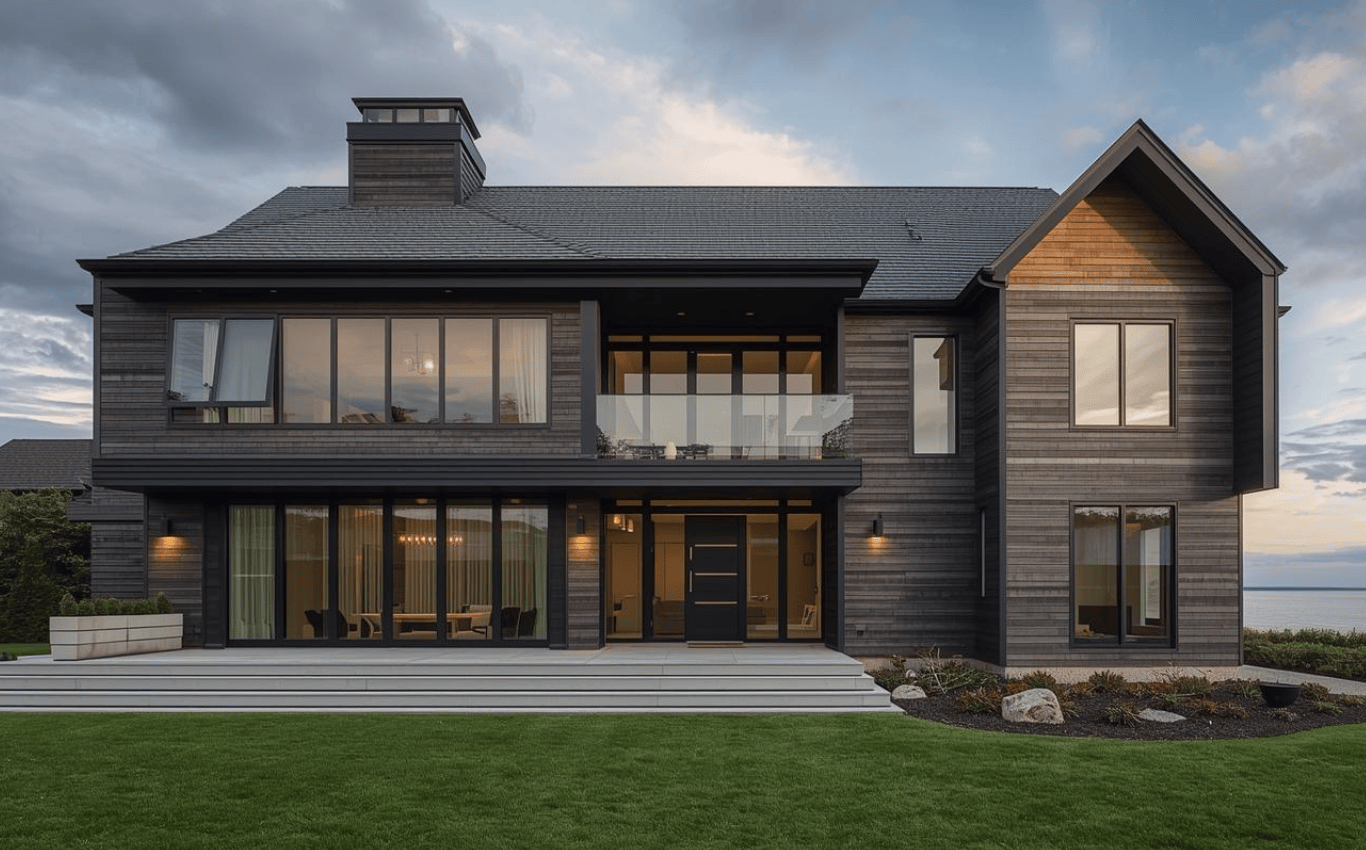
Architectural roof geometry influences drainage speed, water concentration, and wind interaction. As discussed in previous Cedar blogs about roof design and acoustic performance, geometry and layering shape how a home handles rain and pressure. A premium system anticipates these interactions before installation begins.
Examples of coordinated roofing systems can be seen across Cedar’s completed work showcased on the Projects Page.
Longevity Comes From Coordination, Not Cost
.png)
A more expensive shingle does not automatically mean a better roof.
Premium Materials Still Need Proper Assembly
Even top-tier products fail when improperly installed or poorly integrated. The value of premium roofing comes from the way materials are layered and connected, not just from brand selection.
Repair Costs Often Stem From System Gaps
Interior damage, mold, and structural rot typically originate at overlooked transitions or underlayment failures. These are system weaknesses, not product flaws.
A System Ages More Gracefully
When roofing components are designed to move together and share load distribution, they age gradually instead of abruptly. System-based roofs don’t surprise homeowners with sudden failure, they perform predictably over time.
Conclusion: Roofing Excellence Is Engineered, Not Purchased
Premium roofing is not something you buy off a shelf. It is something that is designed, detailed, and executed as a coordinated system. Shingles matter, but they are only one layer in a complex assembly that must manage water, wind, temperature, and structural movement. On Long Island, where environmental exposure is constant, roofing must be engineered as a unified system to provide true long-term protection. When every component works together, the result is not just durability, it is confidence.
share via