




.webp)


© 2026 Cedar Solutions Roofing powered by Tauri social.
Ready for siding designed to handle Long Island’s changing temperatures?
Schedule Your Siding Consultation


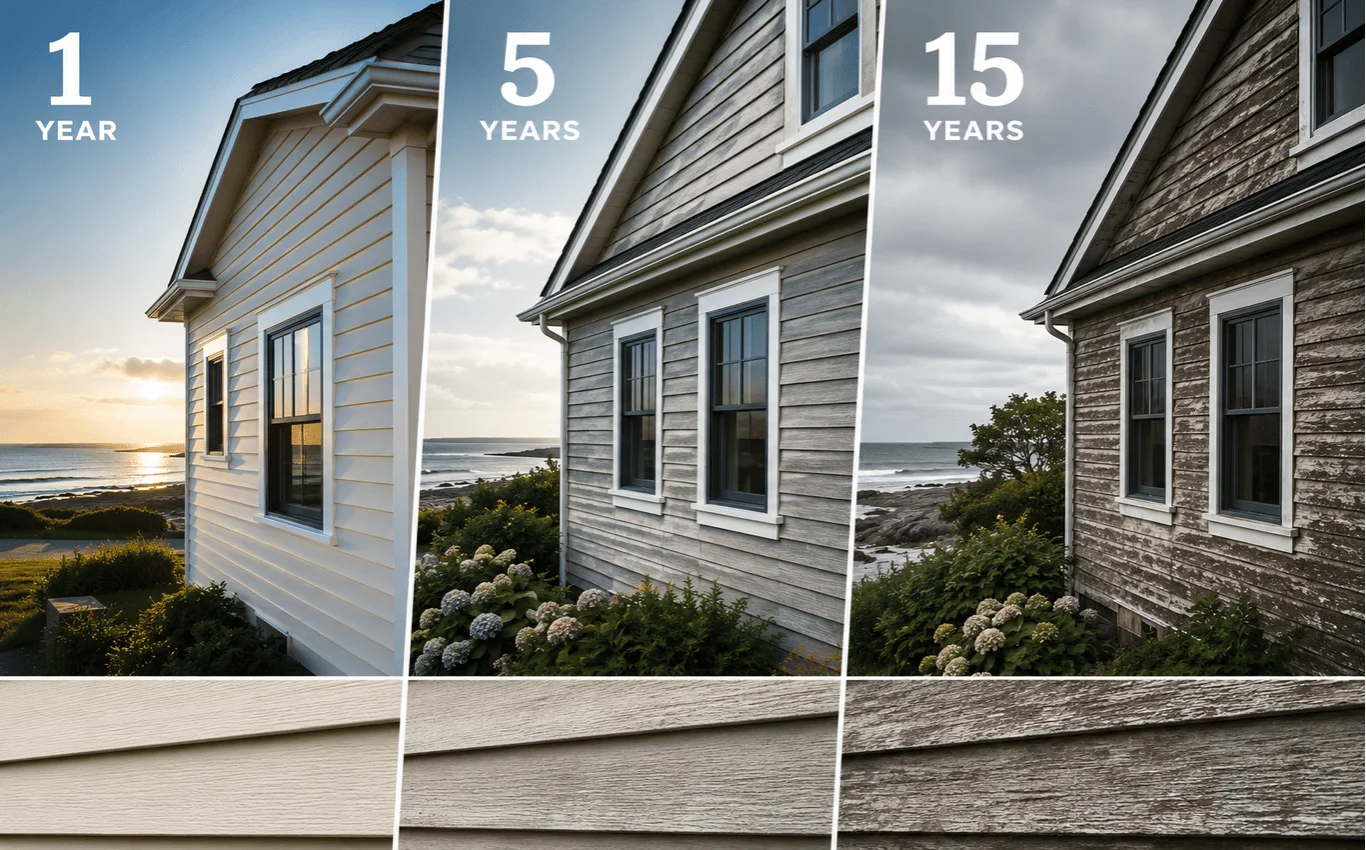
Most homeowners associate siding damage with storms, rain, or direct impact. But some of the most consistent stress on your home’s exterior comes from everyday temperature changes. On Long Island, warm days followed by cooler nights create constant expansion and contraction across siding materials.
Over time, this repeated movement places pressure on panels, seams, fasteners, and transitions. When siding is properly installed, it can handle these shifts naturally. When it isn’t, small problems can gradually turn into warping, cracking, separation, and moisture intrusion.
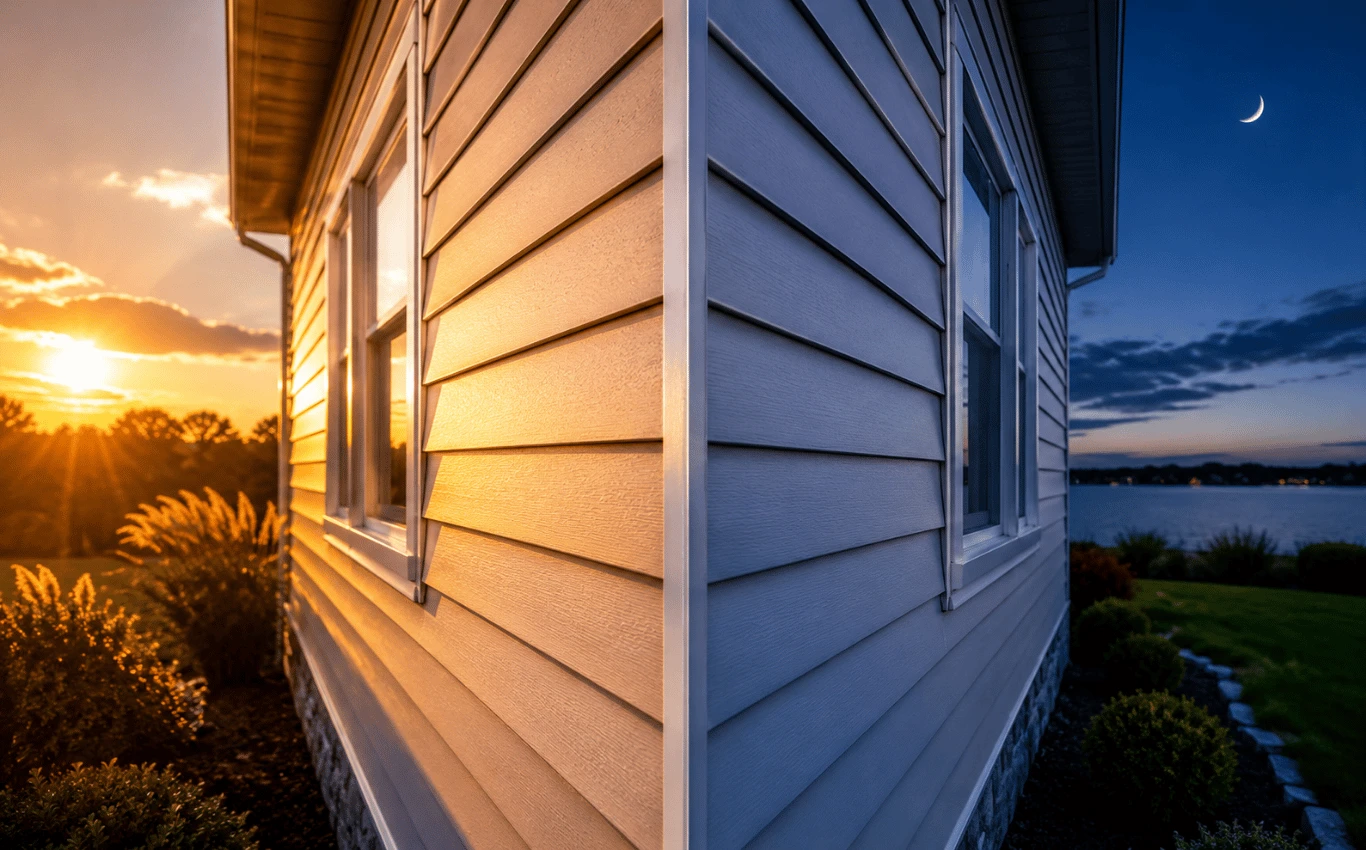
Temperature movement is completely normal, but siding systems must be designed to handle it correctly over time. Exterior materials are constantly responding to changing weather conditions, even when homeowners don’t notice it happening. The repeated cycle of heating and cooling creates subtle movement across the entire exterior of the home, and over the years, this movement can place significant stress on the system if it was not properly installed from the start.
As sunlight heats the exterior throughout the day, siding materials naturally begin to expand. Areas exposed to direct sunlight often warm faster than shaded sections, creating uneven movement across the home’s surface. Darker siding colors tend to absorb even more heat, increasing the amount of expansion during warmer afternoons. While the movement itself is normal, problems begin when the siding system does not have enough flexibility to absorb this pressure naturally.
When temperatures drop during the evening, siding materials begin contracting again. This daily expansion-and-contraction cycle happens continuously throughout spring and summer, especially on Long Island where daytime warmth and cool nights often create dramatic temperature swings within a single 24-hour period. Over time, repeated movement can gradually weaken areas that were already under stress.
Not all siding materials expand and contract at the same rate. Some materials are more stable under temperature changes, while others respond more aggressively to heat exposure. A professionally designed Siding System takes these differences into account by using proper spacing, fastening techniques, and installation methods designed for long-term movement.
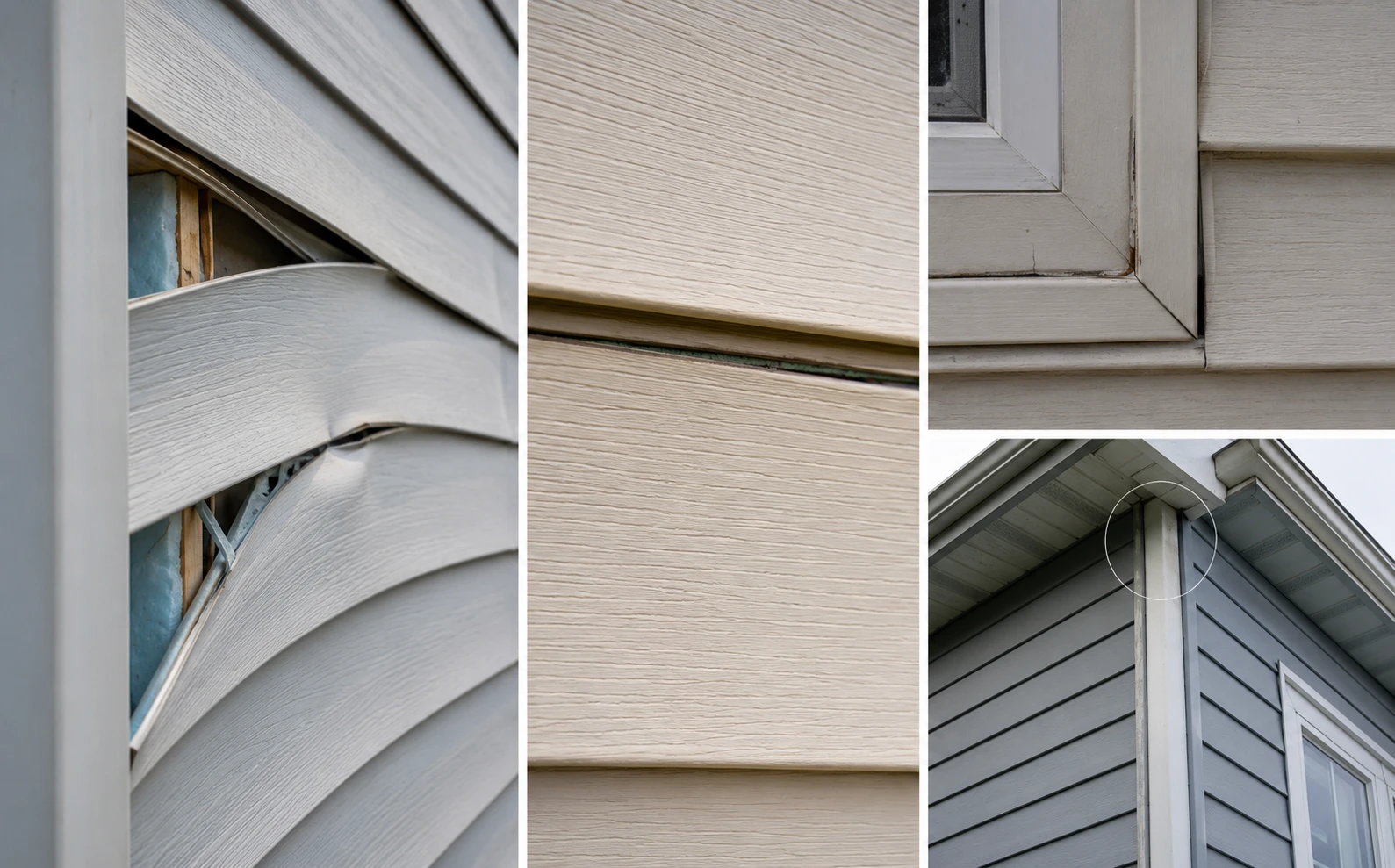
Most long-term siding issues caused by movement can be traced back to installation problems rather than the materials themselves. Even high-quality siding can fail prematurely if the system is installed too tightly or without accounting for expansion and contraction.
One of the most common siding mistakes is fastening panels too tightly against the structure. While this may initially make the installation feel stronger or more secure, it prevents the siding from moving naturally as temperatures change. Over time, pressure builds within the panels, eventually leading to buckling, warping, or visible distortion across the surface of the home.
Minor inconsistencies in spacing or alignment may not seem important at first, but repeated movement magnifies these weak points over time. As siding continues expanding and contracting throughout the seasons, small imperfections slowly become more visible. Eventually, these gaps may allow moisture to move behind the system during humid conditions or heavy rain.
Areas around windows, doors, roof intersections, and corners experience more movement and pressure than flat wall sections. These transitions naturally concentrate stress because multiple materials and directions meet in the same location. Without proper detailing and flexibility, these areas often become the first places where visible siding issues begin to appear.
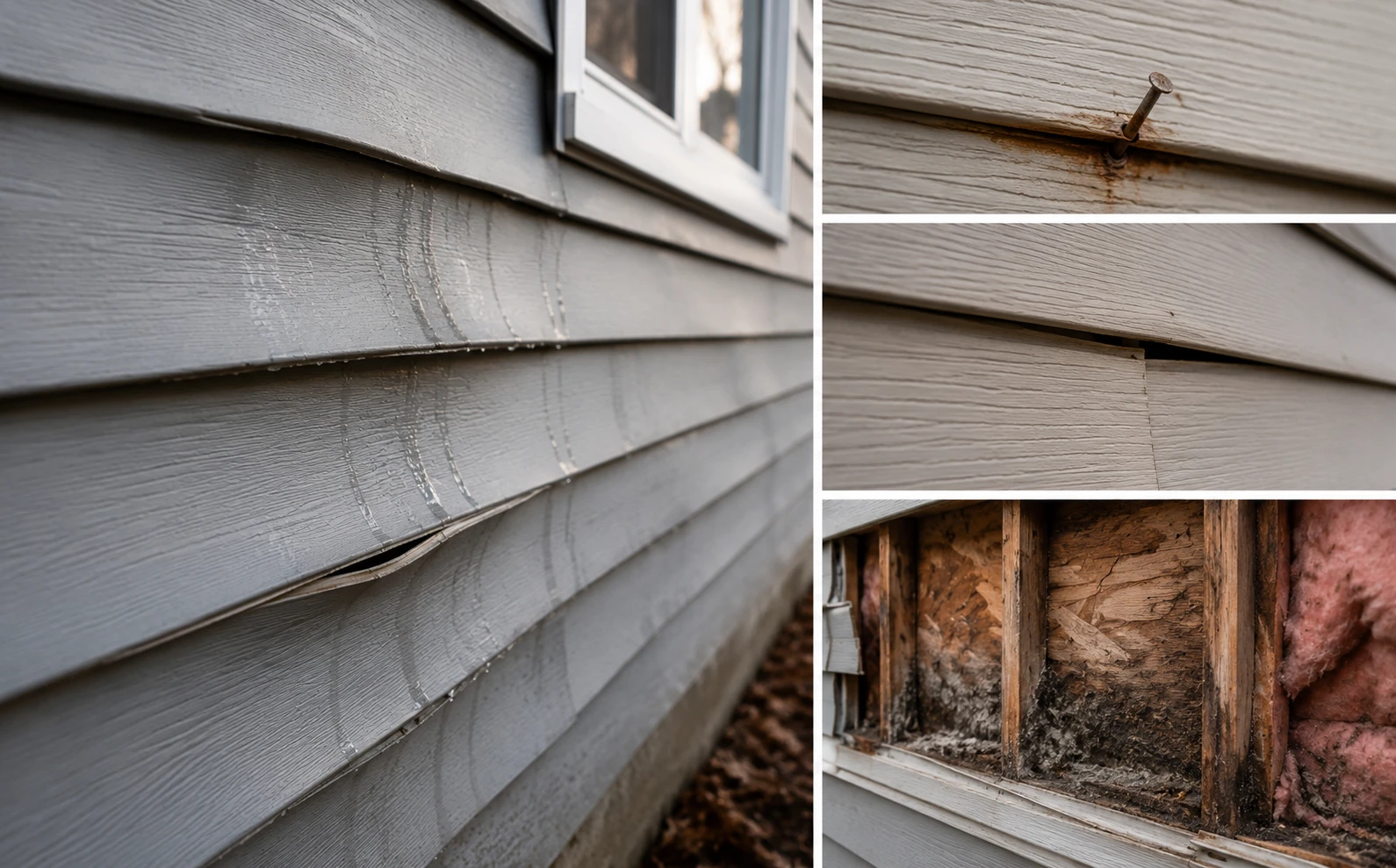
Most homeowners notice siding issues visually first, but movement-related stress affects far more than curb appeal. Over time, expansion and contraction can impact the overall performance of the exterior system and increase the risk of hidden structural problems.
Siding is designed to guide water safely downward and away from the structure. When panels begin to warp or separate due to repeated temperature stress, they may no longer direct water properly. This can disrupt drainage paths and increase the likelihood of moisture intrusion behind the siding system.
Every cycle of expansion and contraction places pressure on nails, clips, seams, and transition points. While these movements may seem small on a day-to-day basis, years of repeated stress slowly weaken the connections holding the system together. This often leads to loosening panels or shifting sections that become more vulnerable during storms or seasonal weather changes.
Temperature stress and moisture damage are closely connected. Once movement creates small openings within the siding system, water and humidity can begin entering hidden areas behind the surface. Over time, this trapped moisture may lead to mold, wood rot, or deterioration inside exterior wall structures.
For more insight into how siding protects homes beyond simple weather exposure, explore our related blog “Why Siding Is the First Line of Defense Against More Than Just Weather.”
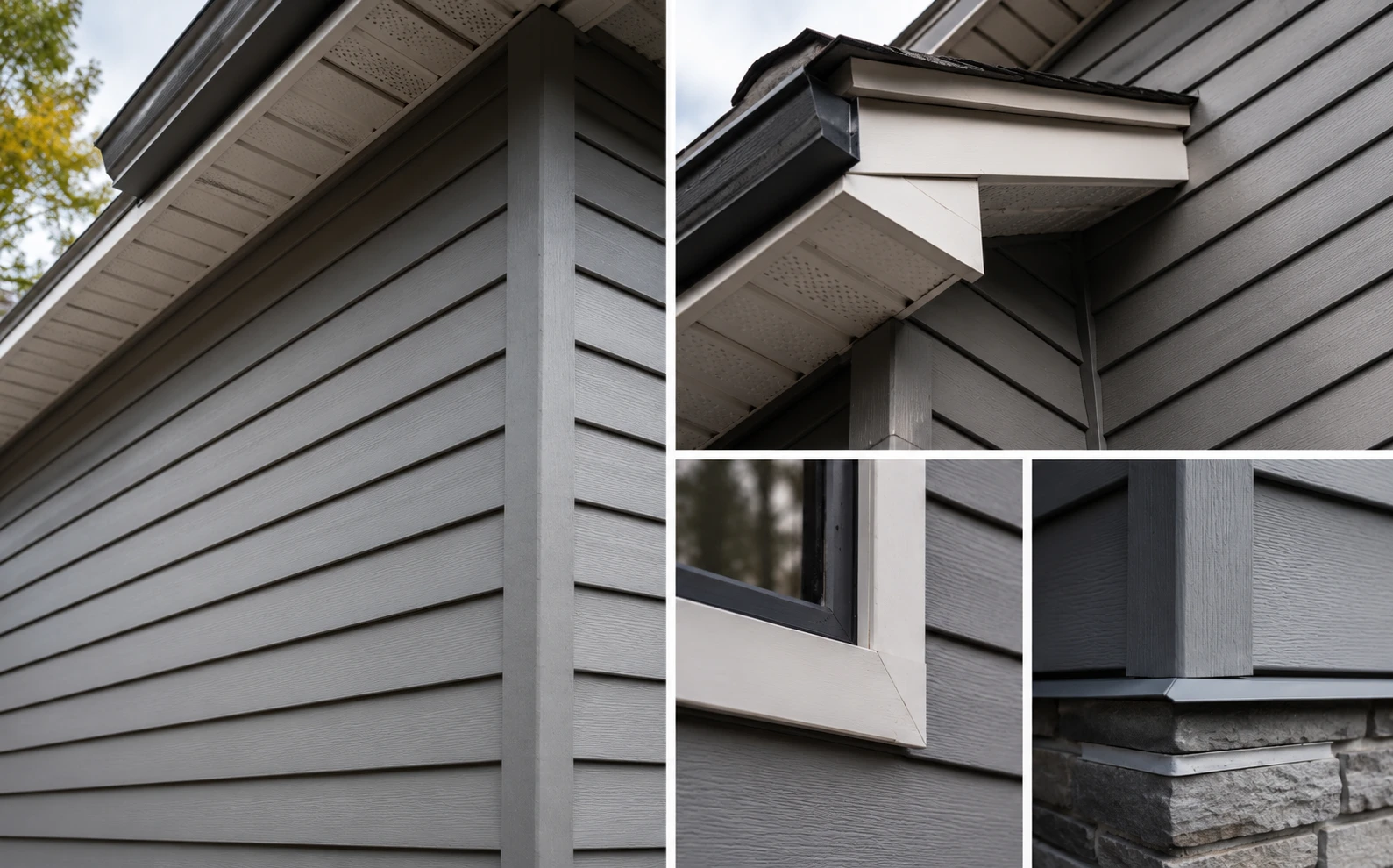
Durability is not about preventing movement completely, it’s about designing siding systems that can handle movement without failing. Long-term performance depends on how well every component works together as temperatures constantly change throughout the year.
High-performing siding systems are intentionally designed with controlled flexibility. Proper spacing, fastening methods, and material selection allow the exterior to respond naturally to changing temperatures without creating excessive pressure within the system itself.
Temperature changes affect the entire exterior of the home, not just the siding panels. Roof edges, flashing, and wall transitions all expand and contract as well. Proper coordination between siding and Roofing Systems helps reduce stress at these critical connection points.
Transitions, seams, and vulnerable edges benefit greatly from precise detailing and metal protection. Properly designed Custom Fabrication strengthens these high-stress areas and helps the siding system age more gradually over time.
You can see how Cedar integrates these systems across completed homes on the Projects page.
Siding is constantly responding to the environment around it, even when the movement is invisible to homeowners. Every warm afternoon and cool evening creates expansion and contraction that slowly tests how well the system was designed and installed. Homes that perform well long-term are not the ones that eliminate movement completely, but the ones designed to manage it intelligently. When siding systems are installed with proper spacing, detailing, and integration, they can adapt to Long Island’s changing temperatures while maintaining both appearance and protection for years to come.
© 2026 Cedar Solutions Roofing powered by Tauri social.