


.avif)



© 2026 Cedar Solutions Roofing powered by Tauri social.
Ready to make your home feel more balanced from every angle?
Design Your Siding System


Siding does much more than protect a home from the elements. The direction of the panels, width of each profile, placement of transitions, relationship with windows and doors, and even the way trim frames the exterior can influence how the entire structure is perceived. Without changing the footprint or height of a home, thoughtful siding design can make it appear taller, wider, more substantial, or simply better proportioned.
For Long Island homeowners considering an exterior renovation, this makes siding an architectural decision rather than just a material choice. The right approach can emphasize the strongest features of a home while visually correcting proportions that feel narrow, heavy, disconnected, or unbalanced. When siding, trim, windows, rooflines, and other exterior details are considered together, the exterior can feel dramatically different without changing the underlying architecture.
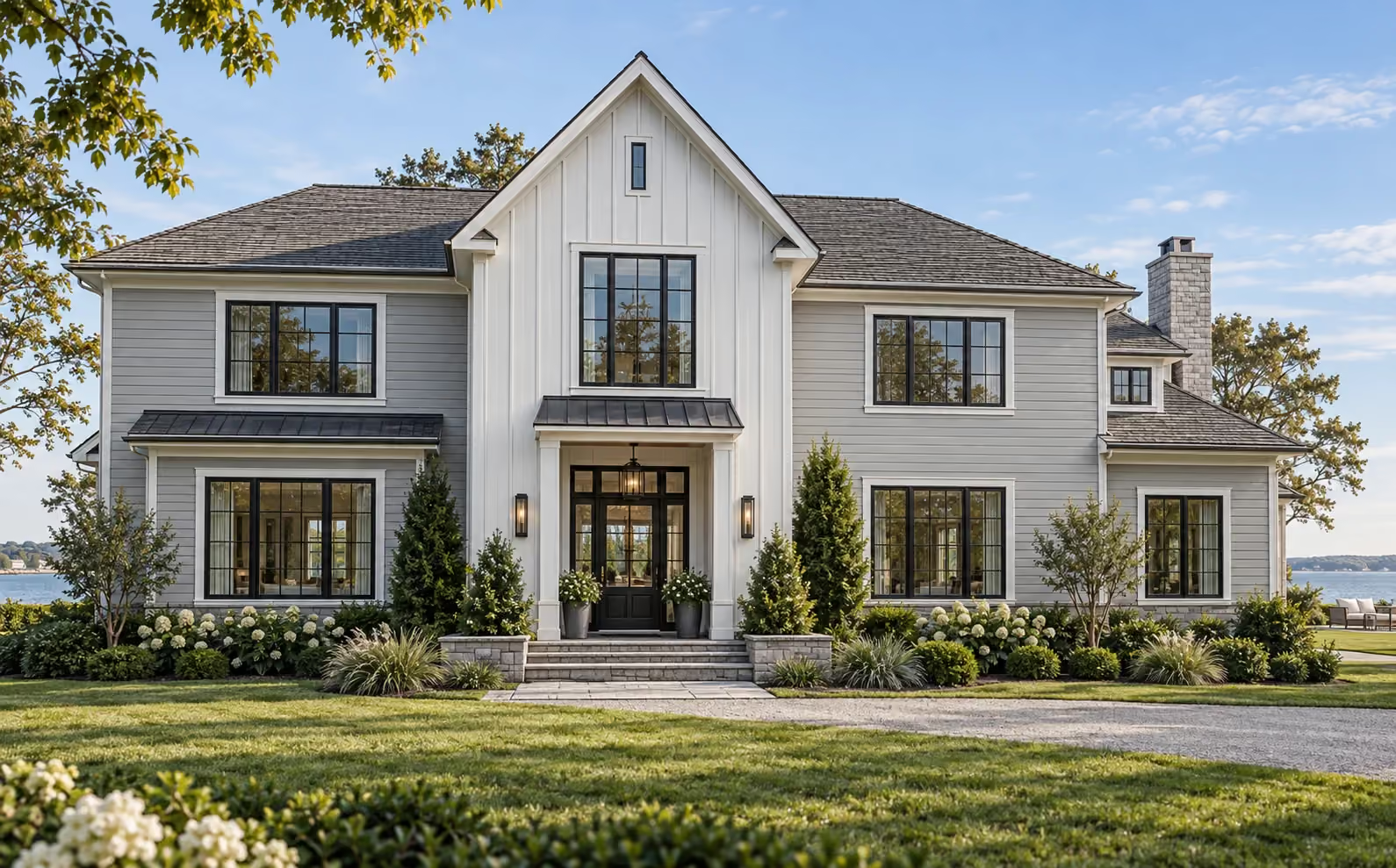
One of the simplest ways siding influences architecture is through direction. Our eyes naturally follow repeated lines, which means horizontal and vertical siding can lead attention across a façade in completely different ways. Choosing the right orientation through professional siding services can reinforce the home's existing proportions or intentionally shift how those proportions are perceived.
Vertical siding naturally draws the eye upward. On homes with lower rooflines or wide façades, vertical panels can introduce a stronger sense of height and make certain architectural sections appear more prominent.
Board-and-batten profiles are particularly effective because the repeating vertical lines create rhythm from the foundation toward the roof. This does not physically make the building taller, but it changes how the eye travels across the exterior. Used strategically on gables, entrances, or full elevations, vertical siding can give a home a more elongated and architectural appearance.
Horizontal siding creates the opposite visual effect. Long, continuous courses encourage the eye to move from side to side, emphasizing the width of the structure.
This can be especially effective on narrower homes where the goal is to create a broader, more grounded appearance. Panel exposure also matters. Carefully proportioned courses can make the exterior feel refined and substantial, while profiles that are poorly scaled to the architecture can make the façade feel visually crowded.
A home does not necessarily need one siding orientation everywhere. Combining horizontal and vertical profiles can help establish hierarchy between different architectural volumes.
For example, horizontal siding might visually stretch the main body of the house while vertical siding emphasizes an upper gable or entrance. The key is restraint. Changing direction should have an architectural purpose rather than simply adding variety. When each transition corresponds to the structure of the home, the result feels intentional rather than decorative.
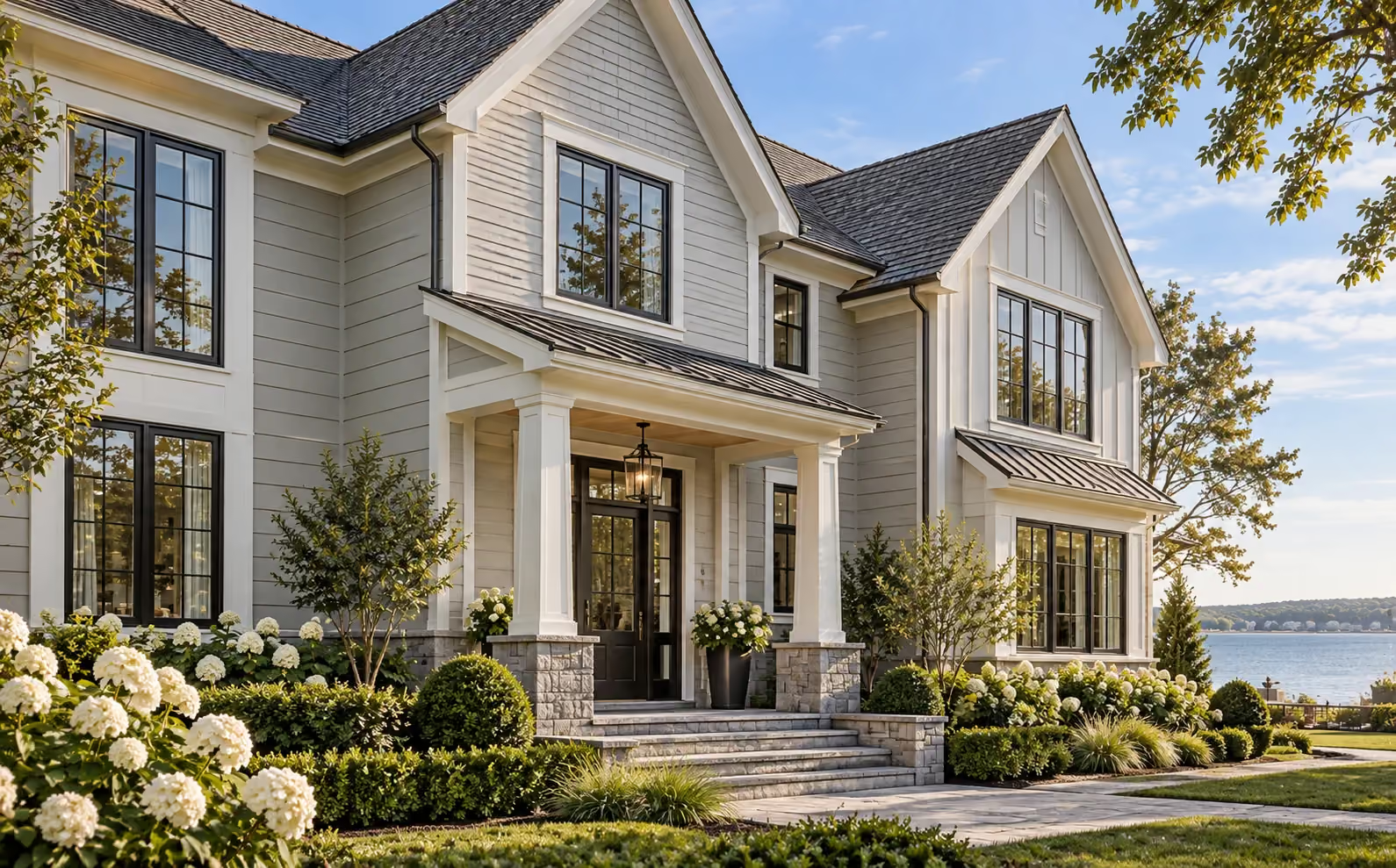
Two homes finished with the same siding material can look completely different because of how that material has been scaled and positioned. Panel width, trim dimensions, corners, window surrounds, and transitions all influence the visual proportions of the finished exterior.
The width and exposure of siding panels can subtly change how large or small a façade appears. Narrower courses introduce more horizontal lines, creating additional visual detail. Wider profiles reduce the number of lines and can make large wall surfaces feel calmer and more expansive.
Neither approach is automatically better. The right scale depends on the architecture. A large Long Island home may benefit from broader proportions that complement its size, while a smaller or more traditional property may need a different rhythm to preserve its character.
Window trim, corner boards, fascia, and other exterior details create boundaries that help the eye understand the architecture. If these elements are too thin, they can disappear against a large façade. If they are excessively heavy, they can visually overpower windows and siding.
Thoughtful trim creates enough definition to frame openings and separate architectural volumes without competing with them. Precise custom fabrication can also help create clean transitions and detailing where standard components may not properly fit the architecture.
Windows should not look like objects placed randomly into a sided wall. Their proportions, spacing, trim, and relationship with siding lines all influence the balance of the façade.
Siding can reinforce window alignment by creating strong horizontal or vertical relationships between openings. When those relationships are carefully planned, separate windows begin to feel like part of one architectural composition. This can make an otherwise irregular exterior appear calmer and more organized.

Many homes have naturally uneven façades. Garages, additions, large windows, asymmetrical rooflines, and different building volumes can create visual weight on one side of the property. Good siding design does not need to hide these differences. Instead, it can help organize them.
Changes in siding profile or orientation can visually separate parts of a home that serve different architectural purposes. A projecting entry, second-story volume, garage, or gable can be given its own identity without making the exterior feel disconnected.
The transition should normally follow an architectural break that already exists. When siding changes happen at natural boundaries, the materials reinforce the architecture instead of creating arbitrary divisions across the façade.
Color also influences proportion. Darker sections often feel visually heavier, while lighter finishes can make surfaces appear more open. Carefully distributing these tones can help balance an exterior with an unusually dominant garage, upper story, or side wing.
Contrast does not need to be dramatic. Subtle differences between siding, trim, roofing, and architectural details can provide enough separation to establish hierarchy while maintaining a cohesive exterior.
Adding more materials is not always the answer to an unbalanced home. In many cases, reducing unnecessary transitions can make the architecture feel stronger.
Too many siding profiles, colors, trim styles, and decorative details can divide the façade into competing pieces. A simpler material palette allows the home's proportions, windows, rooflines, and primary architectural features to become more visible. Luxury exterior design often feels successful precisely because there is less visual competition.
This principle connects closely with our previous article, “Why Luxury Homes Treat Siding as Architecture, Not Cladding,” which explores why siding should support the overall design of a home rather than simply cover its walls.
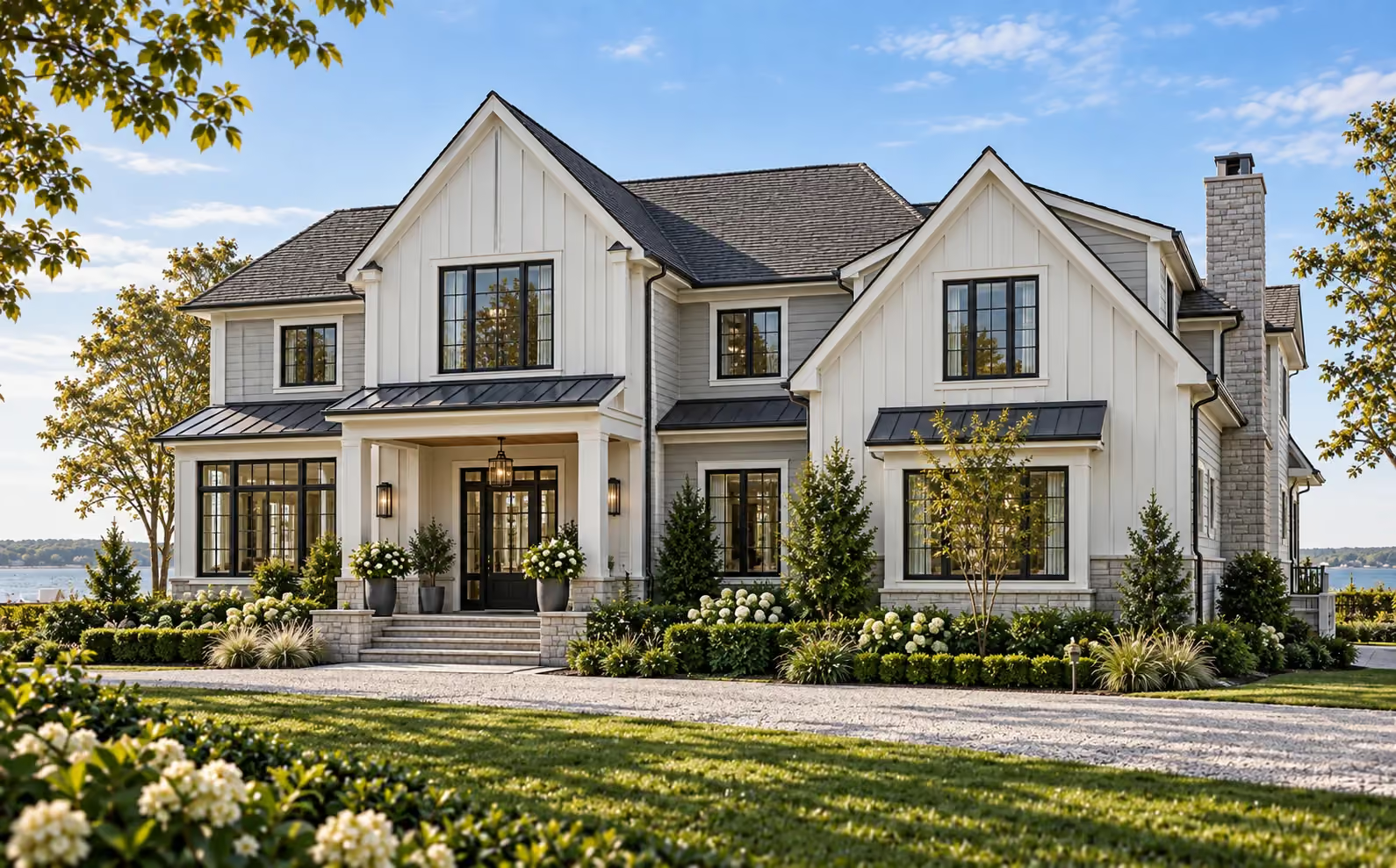
Siding cannot be considered in isolation. Roofing, windows, doors, trim, foundations, porches, and landscaping all contribute to how tall, wide, or balanced a home appears. The strongest exterior renovations consider these relationships before deciding where one material should begin and another should end.
A steep roof can already make a home feel taller, while a long, low roofline may emphasize width. Siding should complement rather than compete with these existing proportions.
Vertical siding beneath a prominent gable can reinforce its height, while horizontal siding beneath a broad roofline can strengthen the home's width. Coordinating Roofing and siding visually helps the entire exterior read as one composition rather than separate systems installed at different times.
Corners, window surrounds, soffits, fascia, transitions, and other small elements may occupy relatively little surface area, but they strongly influence how finished the exterior feels.
Clean alignment between these details creates visual rhythm. Lines begin and end intentionally, openings feel properly framed, and different sections of the home connect naturally. These are often the details that separate an ordinary siding installation from an exterior that feels custom designed.
The most successful siding decisions are not based only on what looks impressive immediately after installation. They consider how the home will age, how materials will perform, and whether the design will still feel appropriate years later.
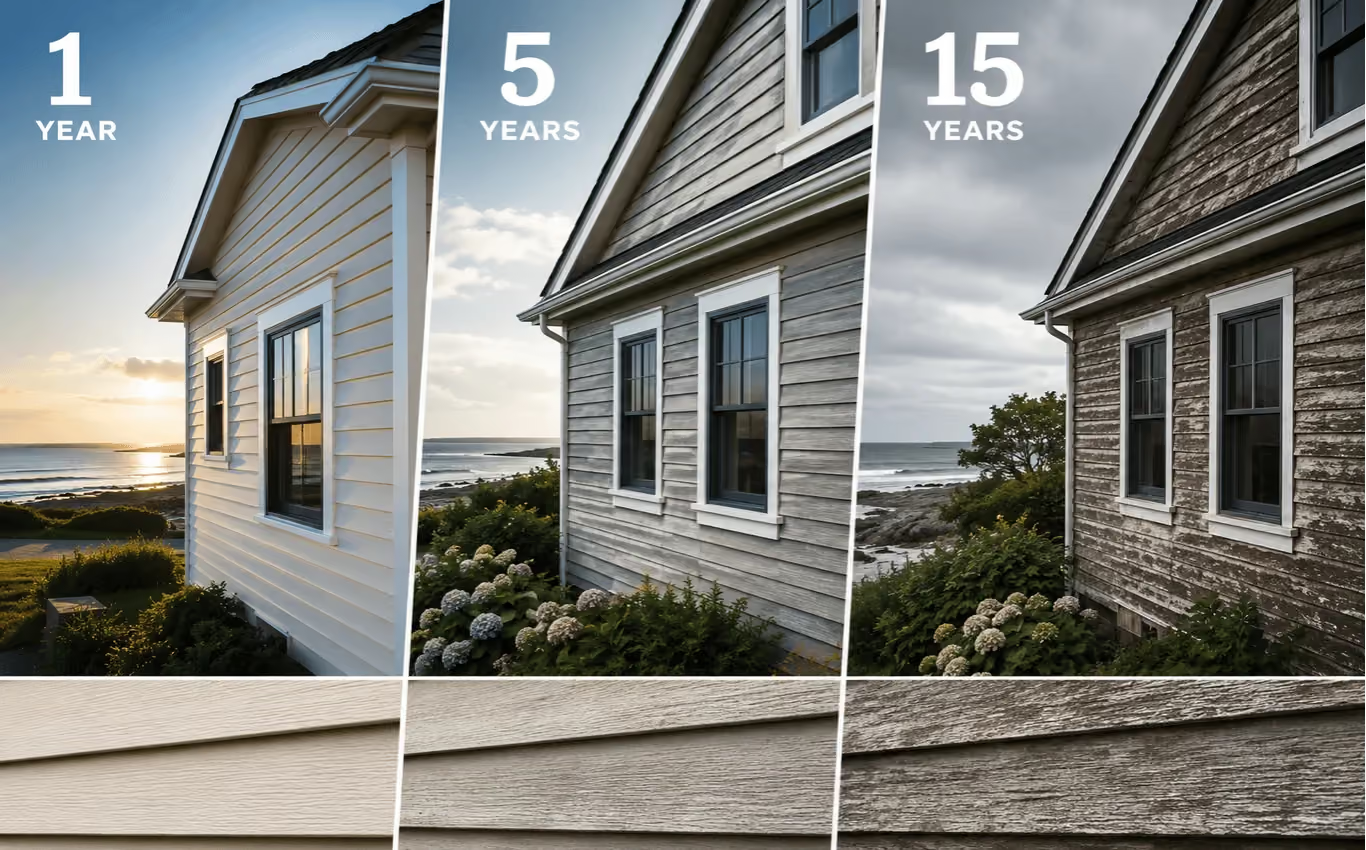
Choosing proportions and details that belong to the architecture can create a more timeless result than following short-lived exterior trends. Our article “The Life Cycle of Siding: What Changes After 1, 5, and 15 Years” explores how siding evolves over time and why long-term performance should be part of the design conversation from the beginning.
Homeowners can also explore Cedar Solutions Roofing's Projects Page to see how siding, roofing, trim, and other exterior details work together across completed Long Island homes.
Siding cannot physically change the dimensions of your home, but it can significantly change how those dimensions are perceived. Vertical lines can emphasize height, horizontal courses can reinforce width, carefully placed transitions can define architectural volumes, and properly scaled trim can bring windows, rooflines, and wall surfaces into better proportion.
The goal is not to use visual tricks simply to make a house appear larger. It is to understand the architecture and use siding to strengthen what is already there. For Long Island homeowners, thoughtful siding design can transform an exterior from a collection of separate surfaces into a home that feels taller, wider, calmer, or more balanced exactly where the architecture needs it.
© 2026 Cedar Solutions Roofing powered by Tauri social.