


.webp)


© 2026 Cedar Solutions Roofing powered by Tauri social.
Ready to invest in siding built to perform for decades?
Schedule Your Siding Consultation


Many homeowners think about siding as a one-time improvement. Once the installation is complete, it's easy to assume the exterior will simply remain in place for decades without much change. In reality, siding is constantly interacting with its environment. Sun exposure, moisture, wind, temperature fluctuations, and seasonal weather patterns all influence how exterior materials age over time. While quality siding systems are designed for long-term performance, they do not remain exactly the same year after year.
Understanding how siding changes throughout its lifespan helps homeowners make better decisions about maintenance, inspections, and future upgrades. The exterior of a home rarely experiences dramatic changes overnight. Instead, small shifts occur gradually, often beginning long before visible problems appear. By understanding what typically happens after one year, five years, and fifteen years, homeowners can better protect their investment and ensure their siding continues performing as intended.
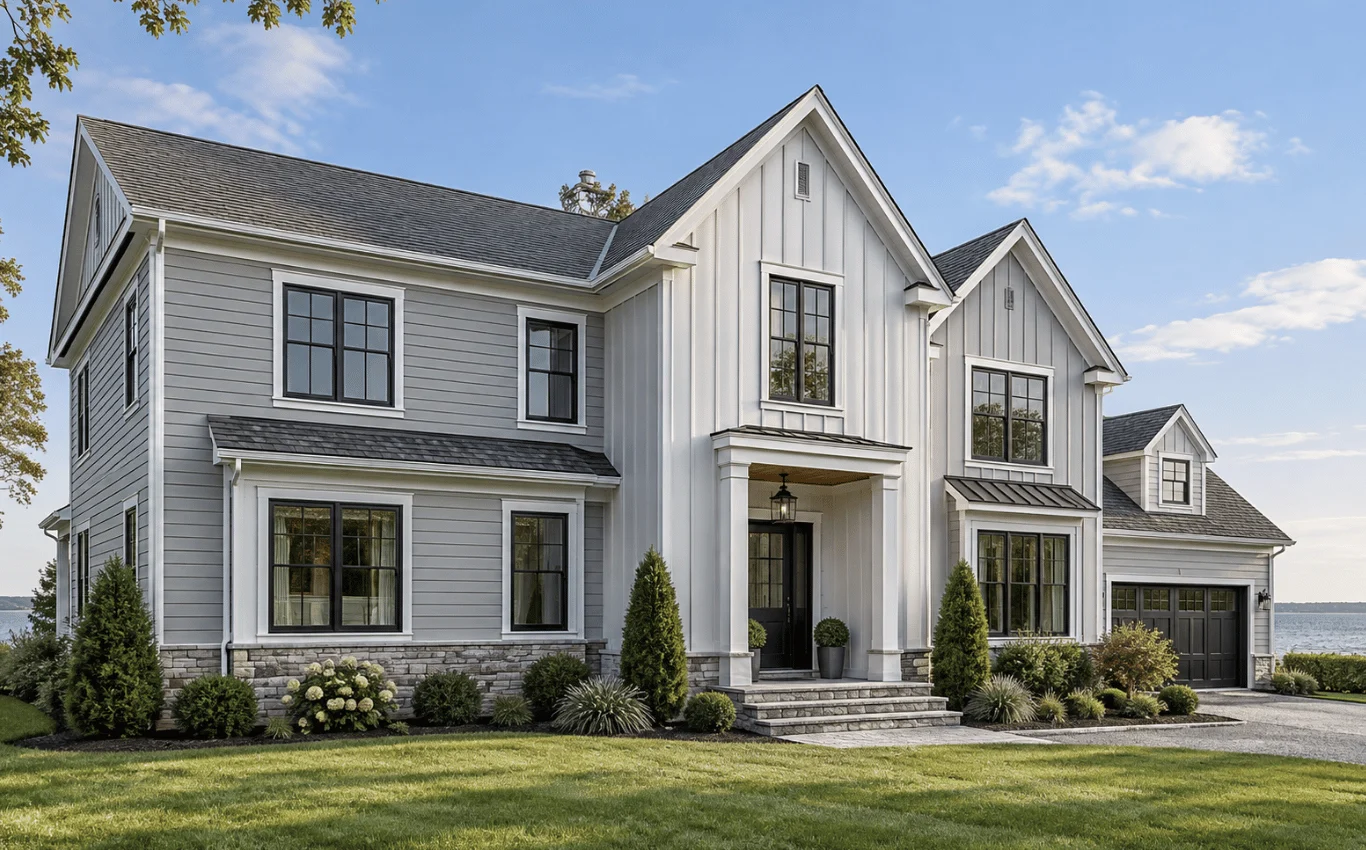
The first year is often the most stable and predictable period in the life of a siding system. Installation is fresh, materials are performing at their highest level, and all components are beginning to adjust to the home's unique environmental conditions. During this stage, the siding experiences its first full cycle of seasonal weather, including heat, cold, humidity, rain, and wind. While homeowners rarely notice major changes during this period, the system is actively responding to its surroundings and establishing the performance patterns that will influence how it ages over the years ahead.
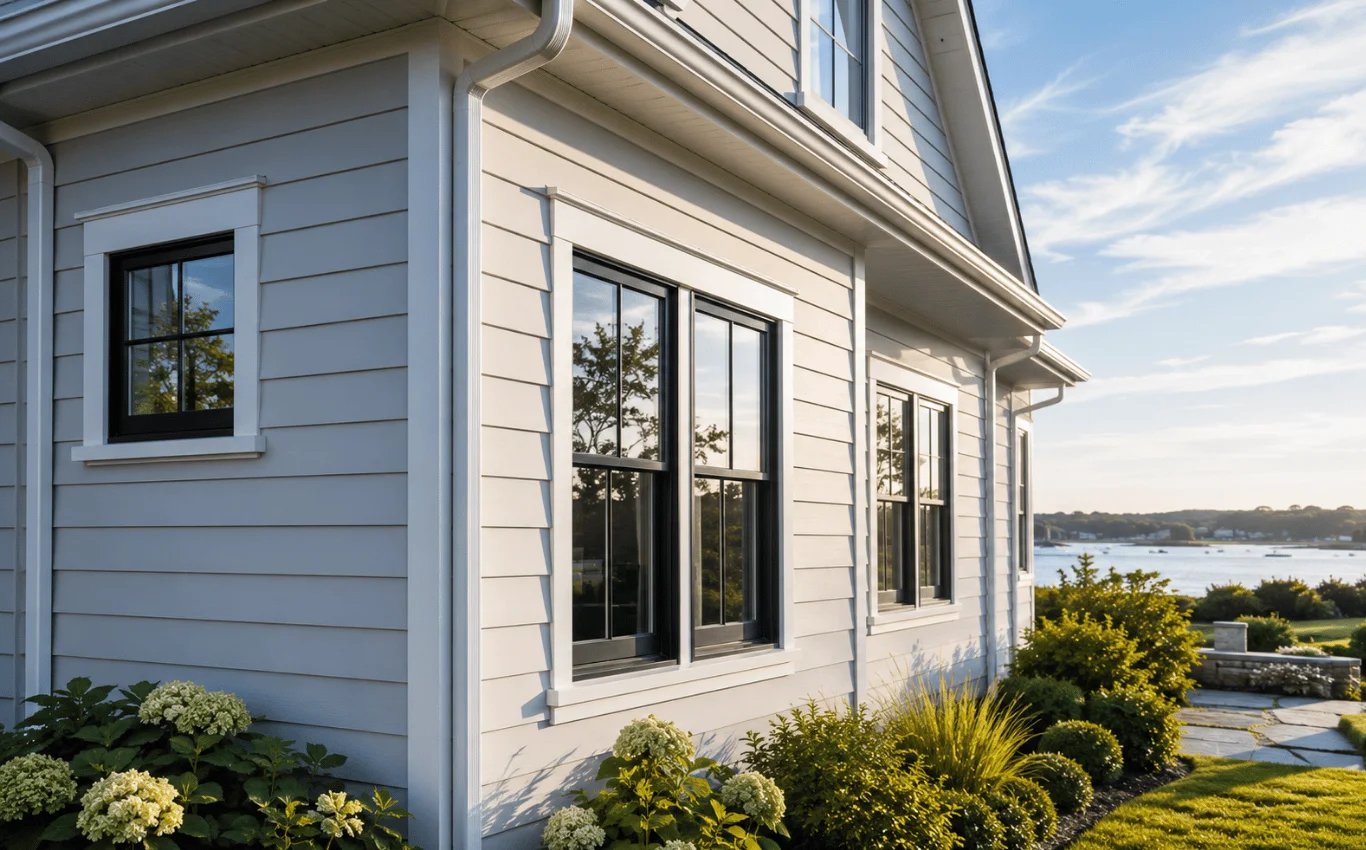
During the first year, siding experiences its first complete cycle of weather conditions, from summer heat and humidity to winter cold and storms. These environmental changes cause materials to expand and contract naturally, allowing the system to adjust to the home's specific location and exposure. Properly installed siding is designed to accommodate this movement without creating stress points, helping maintain both appearance and performance during the early stages of its lifespan.
The first year also serves as a real-world test for the siding's drainage and moisture-control systems. Flashing, ventilation paths, trim details, and protective barriers all begin working together under varying weather conditions. Rainstorms, coastal humidity, and changing temperatures help reveal whether water is being effectively directed away from the structure, making this an important period for evaluating overall system performance.
Because the materials are still relatively new, the siding typically maintains its original color, texture, and finish throughout the first year. Lines remain sharp, transitions look clean, and the exterior reflects the intended design of the home. At this stage, any visible issues are more likely related to installation concerns than normal aging.
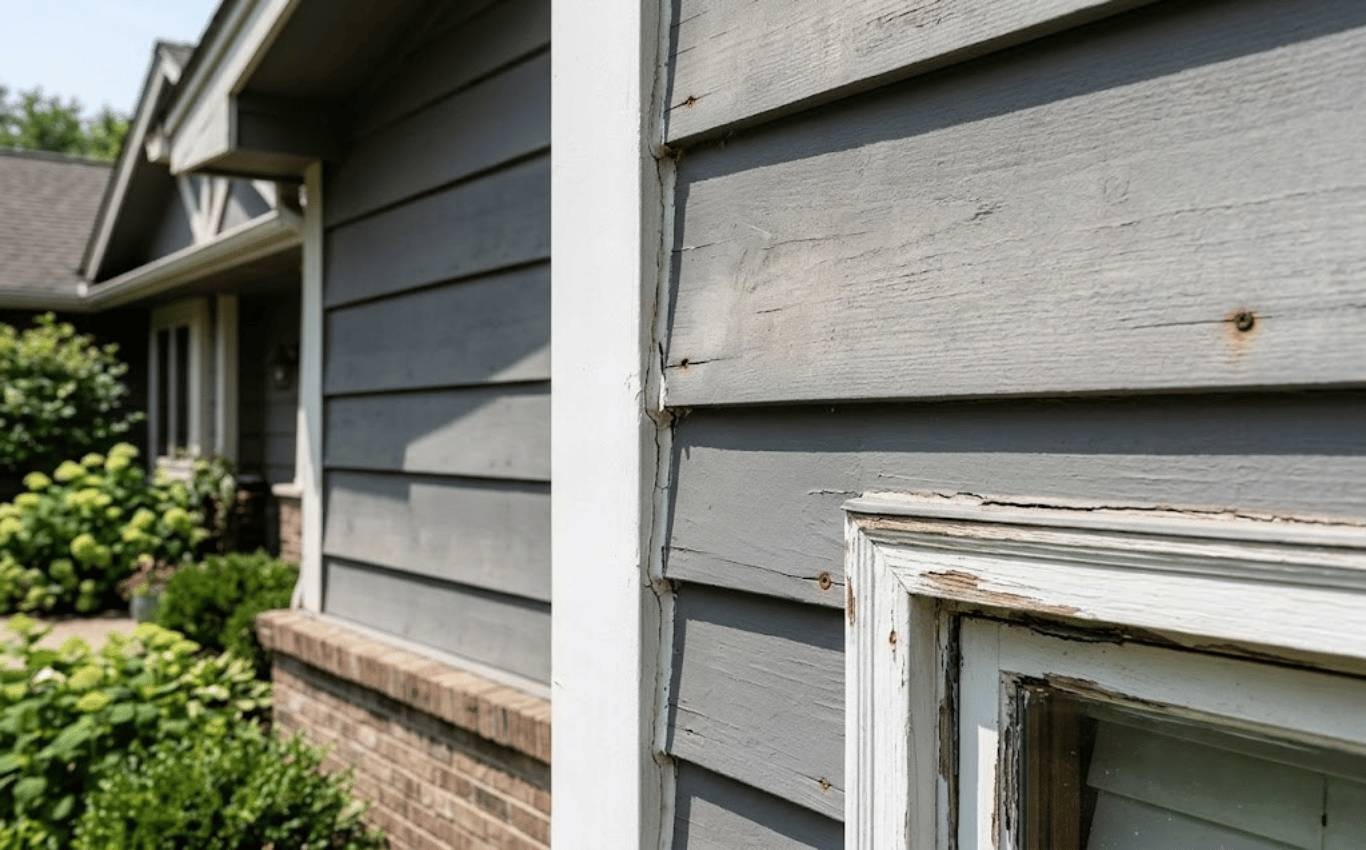
By the fifth year, the siding has experienced thousands of weather cycles and has been exposed to years of sunlight, moisture, wind, and temperature fluctuations. While high-quality siding should still be performing well, subtle signs of natural aging often begin appearing. These changes are usually cosmetic at first, but they can provide valuable insight into how the system is responding to its environment and whether any maintenance should be addressed.
Different areas of the home receive different amounts of sunlight throughout the day, which means they age at different rates. Walls exposed to direct afternoon sun often experience more UV exposure, causing finishes and colors to change slightly faster than shaded areas. These variations are typically gradual, but over time they can become more noticeable across the exterior.
After five years, siding materials have undergone countless expansion and contraction cycles caused by changing temperatures. While these movements are expected, they slowly place stress on seams, fasteners, and transition points. Proper installation helps minimize this impact, but periodic inspections become increasingly important as the system continues to age.
This stage often introduces minor maintenance needs that are common for any exterior system. Sealants may need refreshing, trim details may require attention, and routine inspections can help identify small issues before they become larger concerns. Addressing these items early helps preserve both appearance and performance.
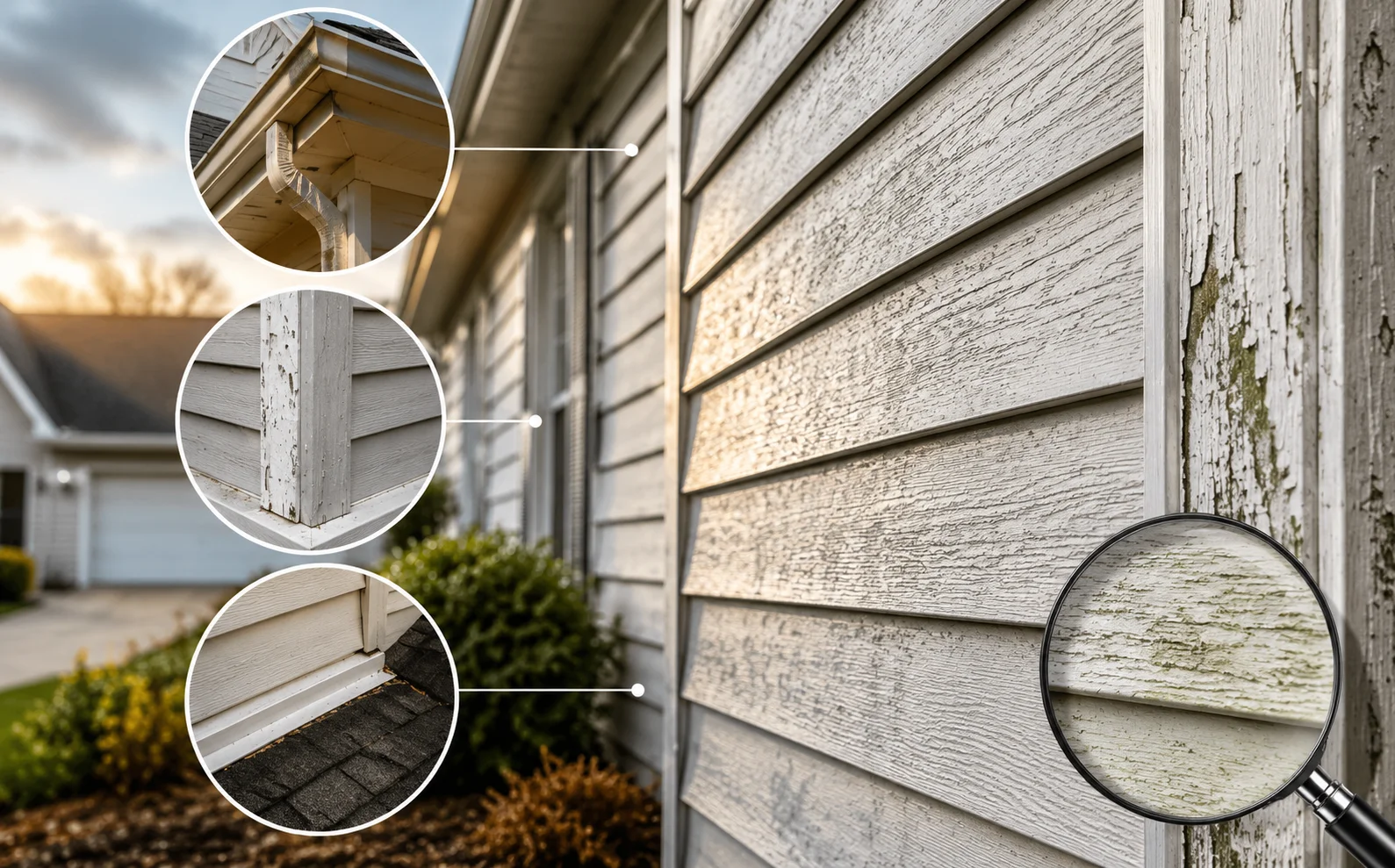
By year fifteen, siding enters a more mature stage of its life cycle. Many premium systems continue performing effectively at this point, but environmental exposure becomes more visible and long-term durability becomes the primary focus. Homeowners often begin evaluating not only how the siding looks but also how well it continues to protect the structure beneath it.
Years of exposure to sunlight, wind, rain, humidity, and seasonal temperature swings gradually affect exterior materials. While quality siding is built to withstand these conditions, changes in color consistency, surface appearance, and weathering patterns often become easier to recognize after more than a decade of use.
Areas such as corners, trim details, roof-to-wall transitions, and window surrounds naturally experience more stress than large wall sections. By year fifteen, these locations deserve closer inspection because they often reveal the earliest signs of wear. Proper maintenance at these points can significantly extend the lifespan of the entire siding system.
Even after many years, the most important job of siding remains controlling moisture. Drainage channels, flashing systems, and protective transitions must continue directing water away from the structure. Homes that maintain effective moisture management systems often experience significantly better long-term siding performance.
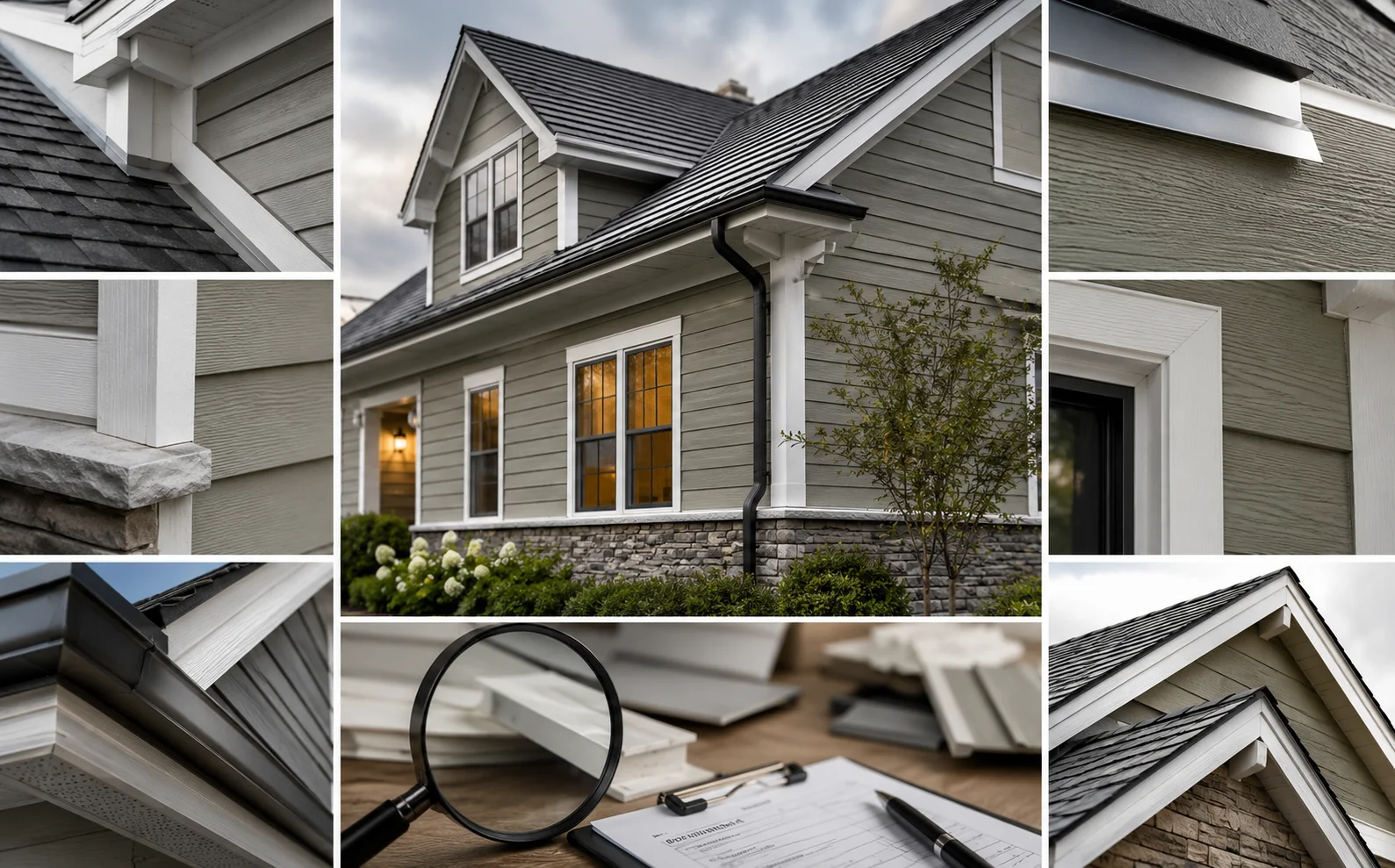
Many homeowners focus heavily on the siding material itself, but long-term performance depends on much more than the visible surface. Roofing, flashing, ventilation, trim details, and installation quality all influence how well an exterior system ages over time. The most successful siding projects are those where every component works together to manage moisture, movement, and environmental exposure year after year.
Water leaving the roof immediately interacts with the home's exterior walls. When roofing and siding systems are properly integrated, they work together to direct moisture safely away from the structure and reduce the risk of long-term damage.
Many of the most important details on a home occur where different materials meet. Precision-fabricated flashing and transition pieces help strengthen these vulnerable areas and improve long-term protection against weather and moisture.
Regular inspections remain one of the most effective ways to protect a siding investment. Identifying small issues early allows homeowners to make minor corrections before they develop into larger, more expensive repairs, helping the system perform efficiently for many years to come.
Siding is not static. It changes gradually as it responds to the environment around it. After one year, materials are adapting to seasonal conditions. After five years, subtle signs of wear begin appearing. After fifteen years, long-term performance and maintenance become increasingly important. Understanding this life cycle allows homeowners to plan ahead, protect their investment, and ensure their exterior continues performing effectively for decades.
© 2026 Cedar Solutions Roofing powered by Tauri social.