



.avif)
.avif)


© 2026 Cedar Solutions Roofing powered by Tauri social.
Ready for siding designed around the way your home actually faces the weather?
Design Your Siding System


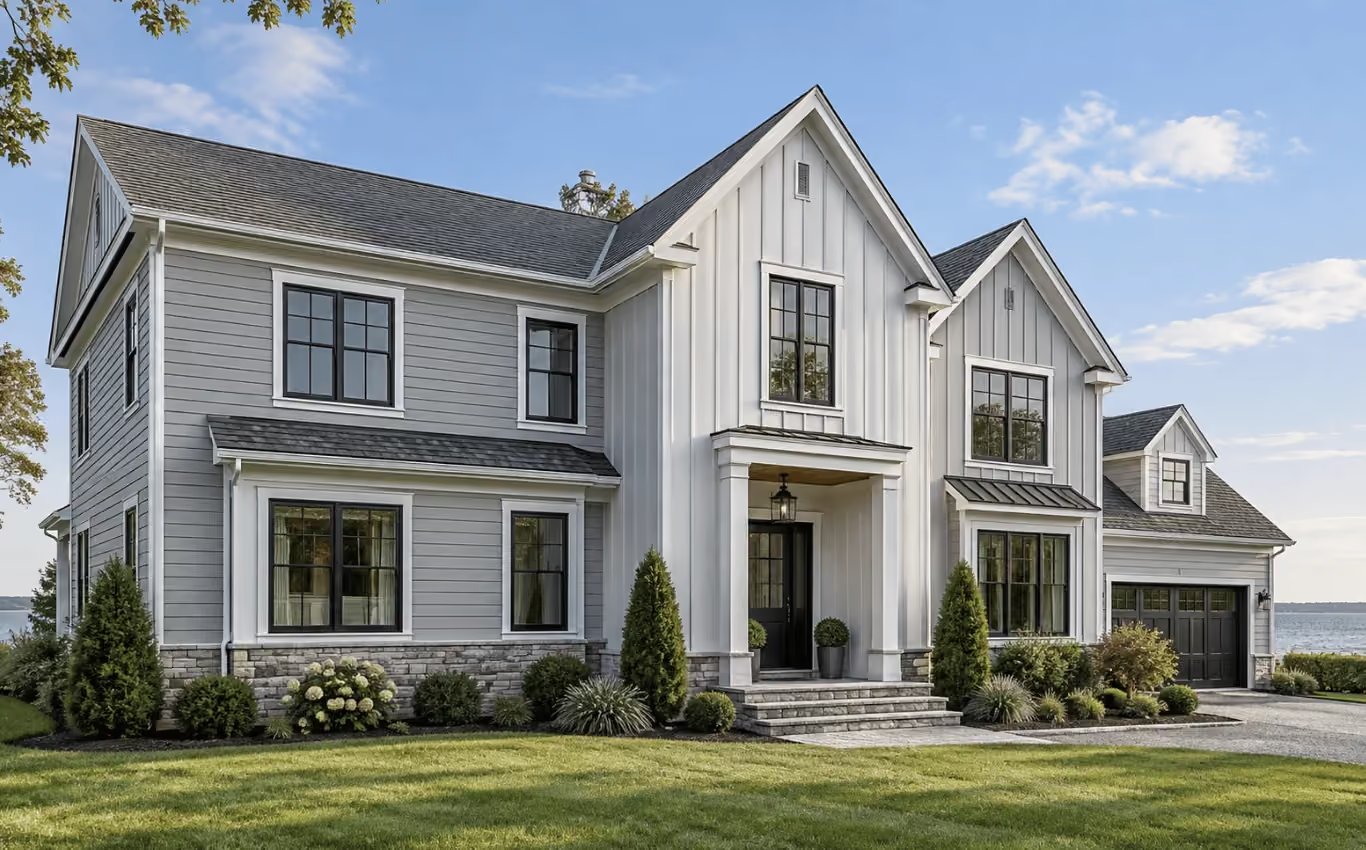
Not every side of your home ages the same way. Some walls receive hours of direct sunlight every day, while others remain shaded, cooler, and exposed to moisture for longer periods. These differences create unique conditions across the same exterior and affect how siding performs over time.
On Long Island, where homes experience strong sun, coastal humidity, and changing shade patterns throughout the year, siding is constantly responding to its environment. Sun-facing walls may fade and expand more often, while shaded walls can retain moisture longer. Understanding these differences helps homeowners see why siding performance depends on more than just materials, It depends on designing the system for the specific conditions each side of the home faces.

Sunlight affects siding in ways that are both visible and structural. While homeowners often notice fading first, UV exposure and heat can also influence how materials expand, contract, and perform over time.
The sides of a home that receive the most direct sunlight often show color changes earlier than shaded areas. UV rays gradually break down surface finishes, especially on darker colors or materials that absorb more heat. This does not always mean the siding is failing, but it does show how uneven exposure can change the look of a home over time. A professionally installed Sding System takes material quality, color choice, and exposure into account so the exterior ages more evenly and predictably.
When sunlight heats siding throughout the day, the material expands. As temperatures cool in the evening, it contracts again. This daily movement may seem small, but over years it can place stress on seams, fasteners, and trim details. Areas with intense sun exposure often experience more movement than shaded areas, which is why proper spacing and installation are essential for long-term durability.
A home may have one side that receives harsh afternoon sun and another that stays protected most of the day. This creates uneven aging patterns across the exterior. One wall may fade, dry out, or expand more frequently, while another may remain darker, cooler, and more moisture-prone. This is why siding should never be evaluated as one flat surface. Each side of the home has its own conditions.
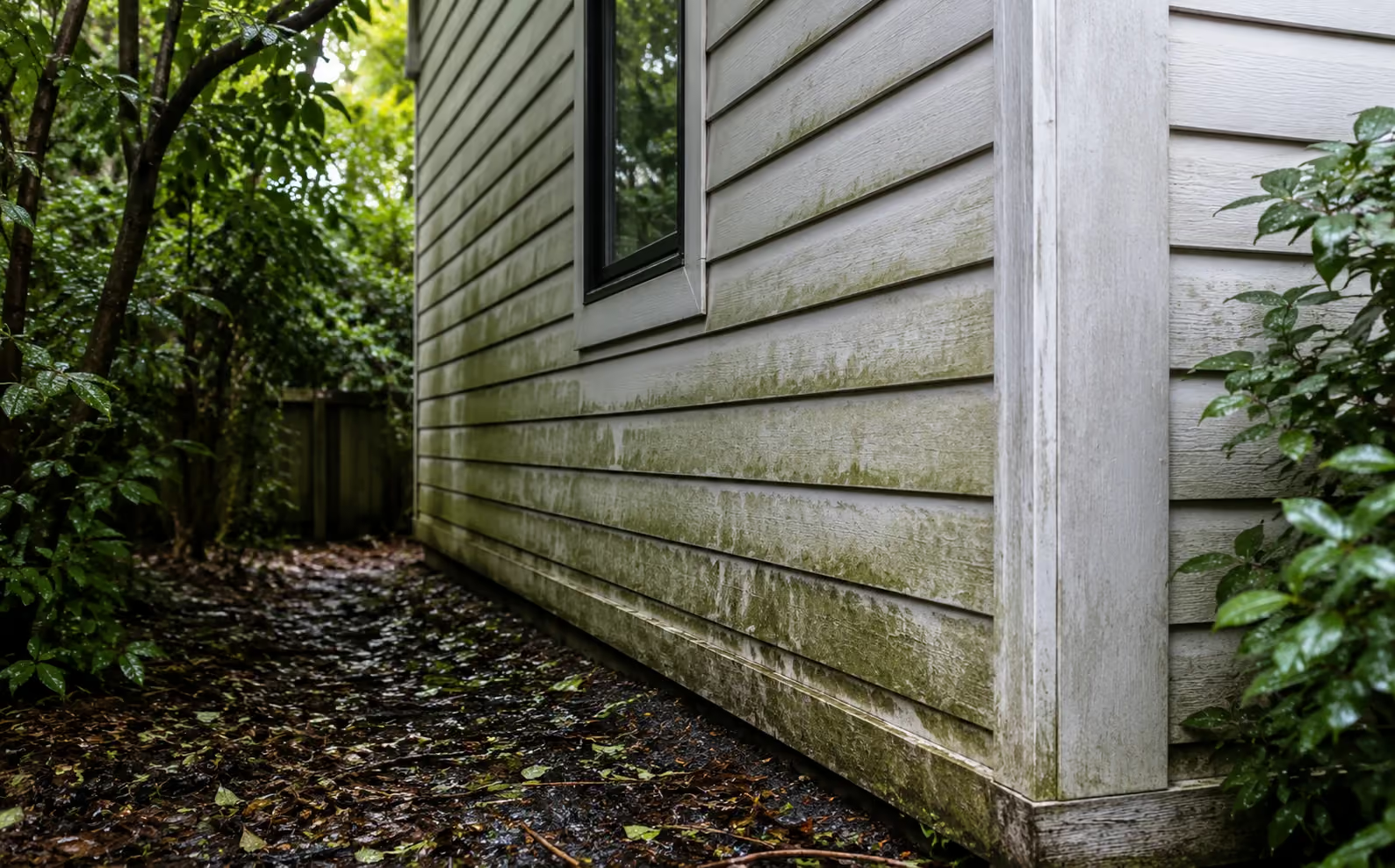
Shade may seem protective, but it can create its own siding challenges. Shaded areas often stay cooler and wetter for longer periods, especially after rain or humid mornings.
When a wall does not receive enough direct sunlight, moisture takes longer to evaporate. Rain, dew, and humidity can remain on the surface or behind small gaps for extended periods. Over time, this can increase the risk of staining, mildew, or hidden moisture problems. Proper drainage and ventilation behind the siding become especially important on shaded walls.
Trees provide shade and reduce direct sun exposure, but they can also create new siding issues. Overhanging branches may trap moisture, drop debris, or limit airflow around the exterior wall. Leaves and organic buildup can collect near trim, corners, and lower sections, creating damp conditions that stress the siding system over time.
Just because a shaded wall is not exposed to intense heat does not mean it is safe from damage. In many cases, shaded areas need even more attention to moisture control. Flashing, trim, and drainage paths must be installed carefully so water does not become trapped behind the siding. This is where precise detailing and exterior planning become just as important as the siding material itself.
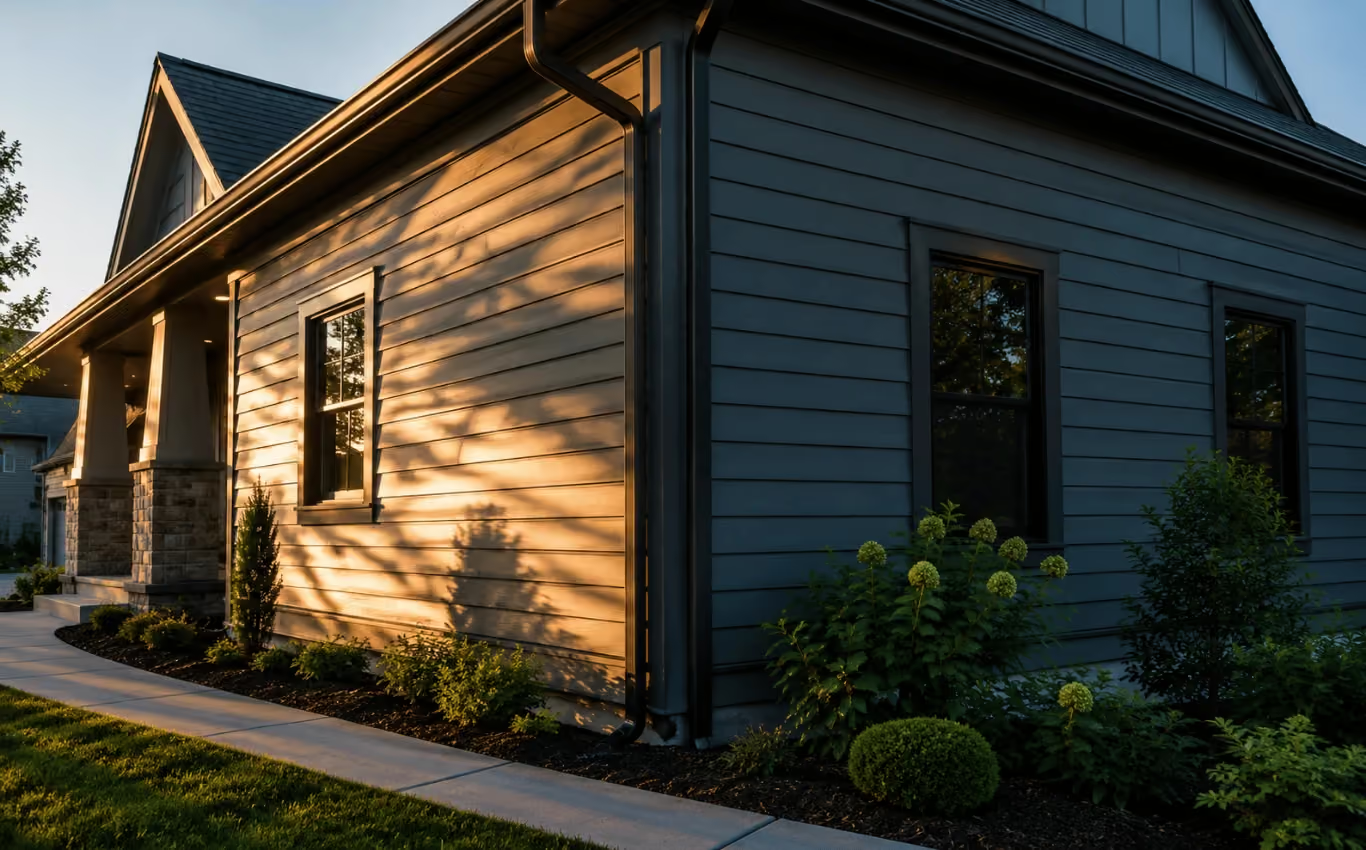
The way sunlight hits a home affects how the exterior looks from the street. Siding color, texture, and shadow lines can appear different depending on the direction and amount of light.
Direct sunlight can make uneven panels, poor alignment, or weak trim details more noticeable. When light hits the surface at certain angles, even small inconsistencies can stand out. This is why quality installation matters. Clean lines and proper spacing help the siding maintain a polished appearance even under strong sunlight.
On shaded sides of the home, siding may appear darker or less dimensional. Textures and shadow lines may not stand out as clearly, which can make the exterior feel flatter. Strategic siding choices, trim depth, and material contrast can help shaded areas still feel intentional and architectural.
A strong exterior design considers how each side of the home will look throughout the day. Sun-facing walls may need colors and materials that resist fading, while shaded walls may need details that improve depth and airflow. Cedar’s completed work on the Projects page shows how thoughtful exterior design helps homes maintain a balanced, refined appearance from every angle.
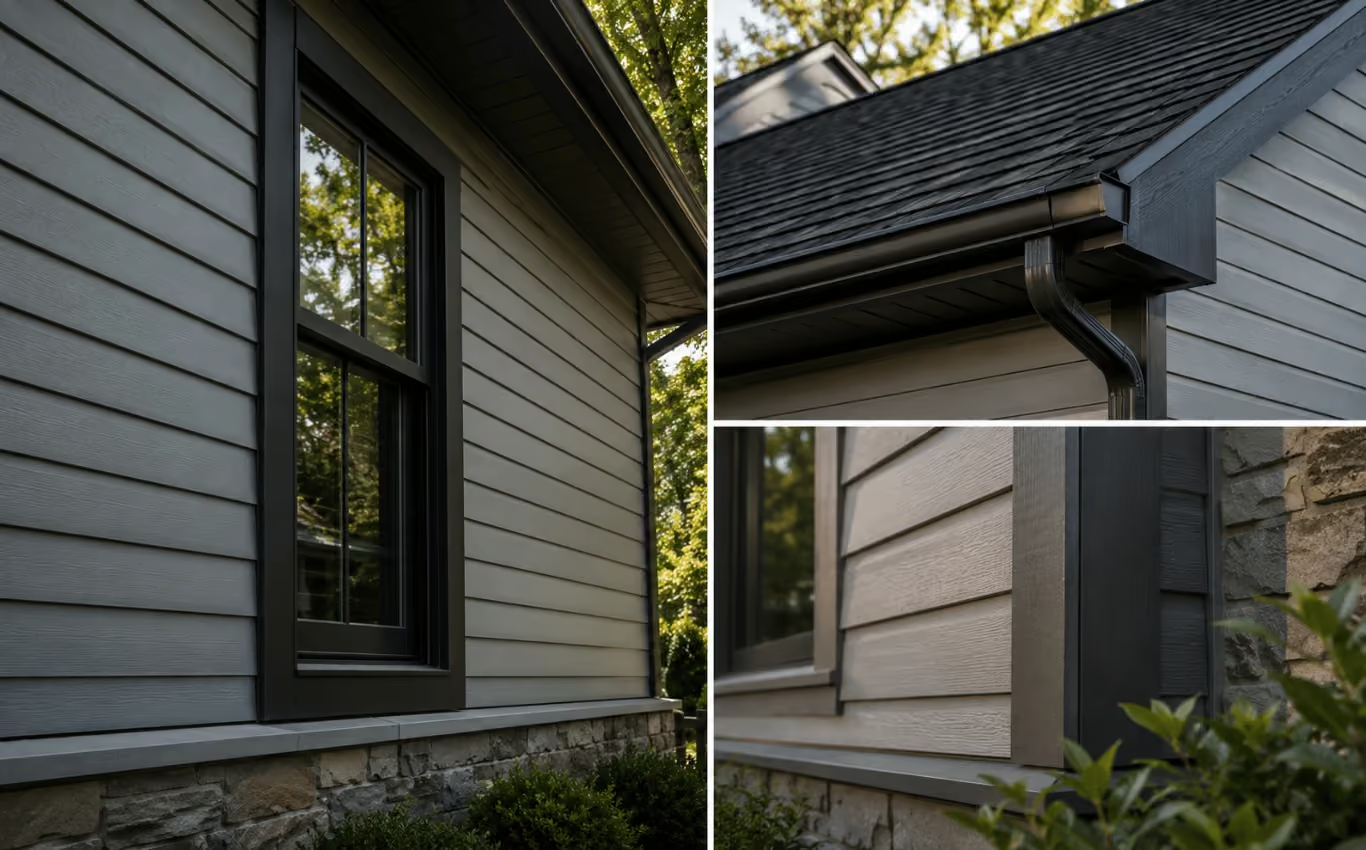
The best siding systems are not installed the same way on every home. They are planned around exposure, airflow, moisture, and movement.
Some materials handle UV exposure better, while others perform well in damp or shaded conditions. Choosing siding without considering sun and shade can lead to uneven aging or premature wear. A proper siding plan looks at how the home sits on the property and how each side interacts with the environment.
Sun and shade affect more than wall panels. Roof overhangs, gutters, and roof-to-wall transitions influence how much water reaches the siding and how quickly walls dry. A complete exterior system should connect siding with well-designed Roofing Systems so water, shade, and airflow are managed together.
Areas around windows, corners, rooflines, and trim often experience the most stress because they interrupt the siding surface. Precision details from Custom Fabrication help protect these transitions from moisture, movement, and uneven exposure. When these details are handled correctly, siding performs better across both sunny and shaded sections of the home.
Siding does not age evenly because every side of your home lives under different conditions. Sun-facing walls deal with UV exposure, heat, fading, and expansion. Shaded walls deal with moisture retention, slower drying, and limited airflow. Both conditions matter, and both require thoughtful design. On Long Island, where coastal weather and seasonal changes constantly affect exterior materials, siding must be planned as a system, not just a surface. When sun, shade, moisture, and movement are all considered from the start, your home’s exterior can stay stronger, cleaner, and more consistent over time.
© 2026 Cedar Solutions Roofing powered by Tauri social.