








© 2026 Cedar Solutions Roofing powered by Tauri social.
Ready to find out what winter really did to your roof?
Schedule Your Roof Inspection


Winter doesn’t just pass over your home, it leaves a mark. Snow accumulation, ice buildup, freezing temperatures, and constant moisture all put stress on your roof in ways that aren’t always visible right away. By the time spring arrives, most of the damage has already been done, it just hasn’t fully revealed itself yet.
That’s why spring is one of the most important times of year to evaluate your roof. What looks fine from the ground may be hiding small issues that can quickly turn into costly repairs. A proper spring roof check isn’t about finding obvious damage, it’s about catching the problems winter created before they get worse.
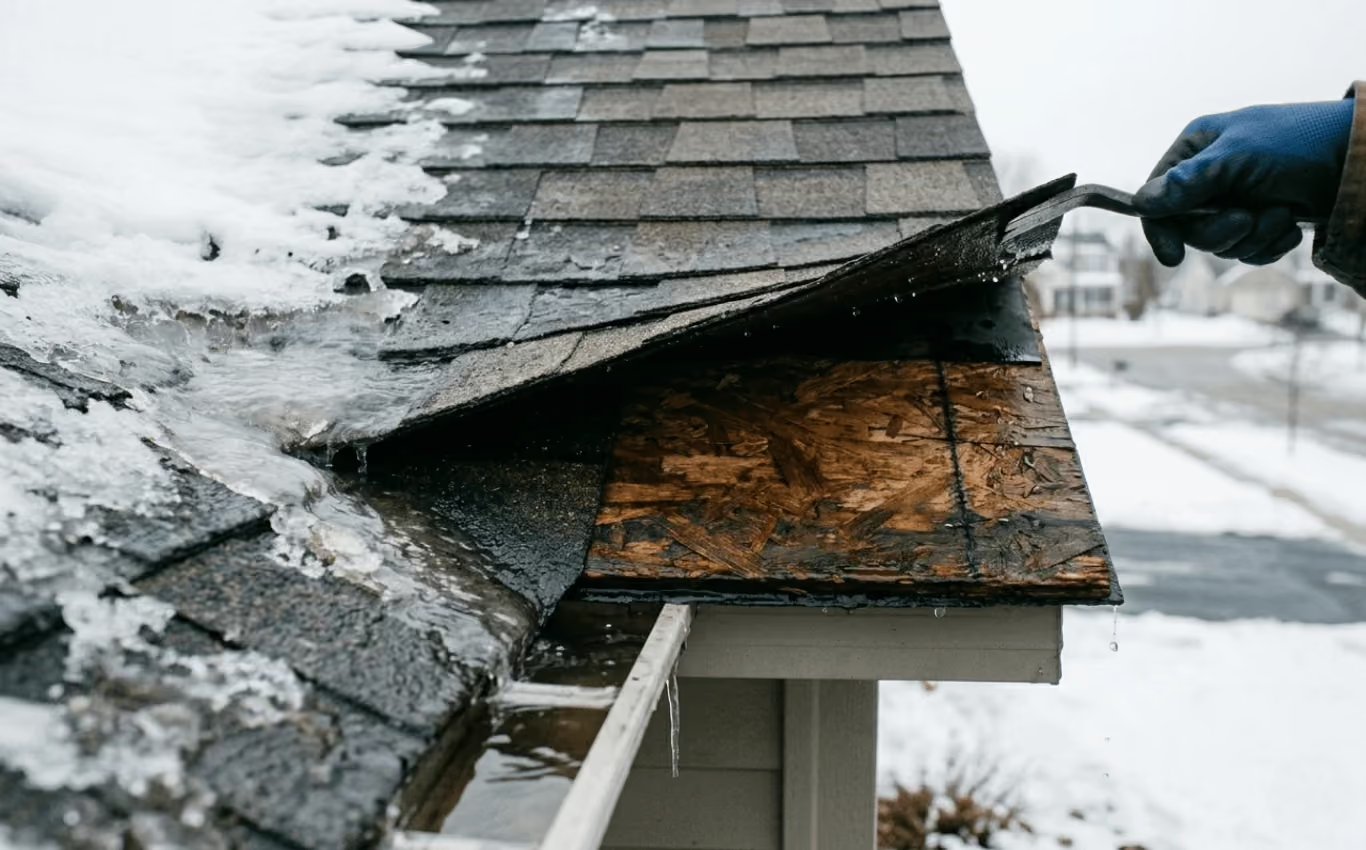
What you see from the outside rarely reflects what’s happening within the roofing system.
Throughout winter, temperatures fluctuate constantly, sometimes within the same day. This repeated cycle of freezing and thawing causes roofing materials to expand and contract over and over again. While these movements are small, they place continuous stress on seams, fasteners, and transitions. Over time, this can loosen components or create microscopic gaps that are impossible to detect without a closer inspection.
Ice rarely forms evenly across a roof. Instead, it collects along edges, in valleys, and around areas where drainage is already less efficient. As this ice melts and refreezes, it forces water into small openings, gradually widening them. These areas often become the starting point for leaks, even if the damage doesn’t show itself until weeks later.
Snow sitting on a roof doesn’t just melt and disappear, it slowly releases moisture over time. That moisture can work its way beneath shingles or flashing, especially in areas where detailing isn’t precise. Even a well-designed Roofing System relies on proper layering and drainage to prevent this kind of hidden saturation.
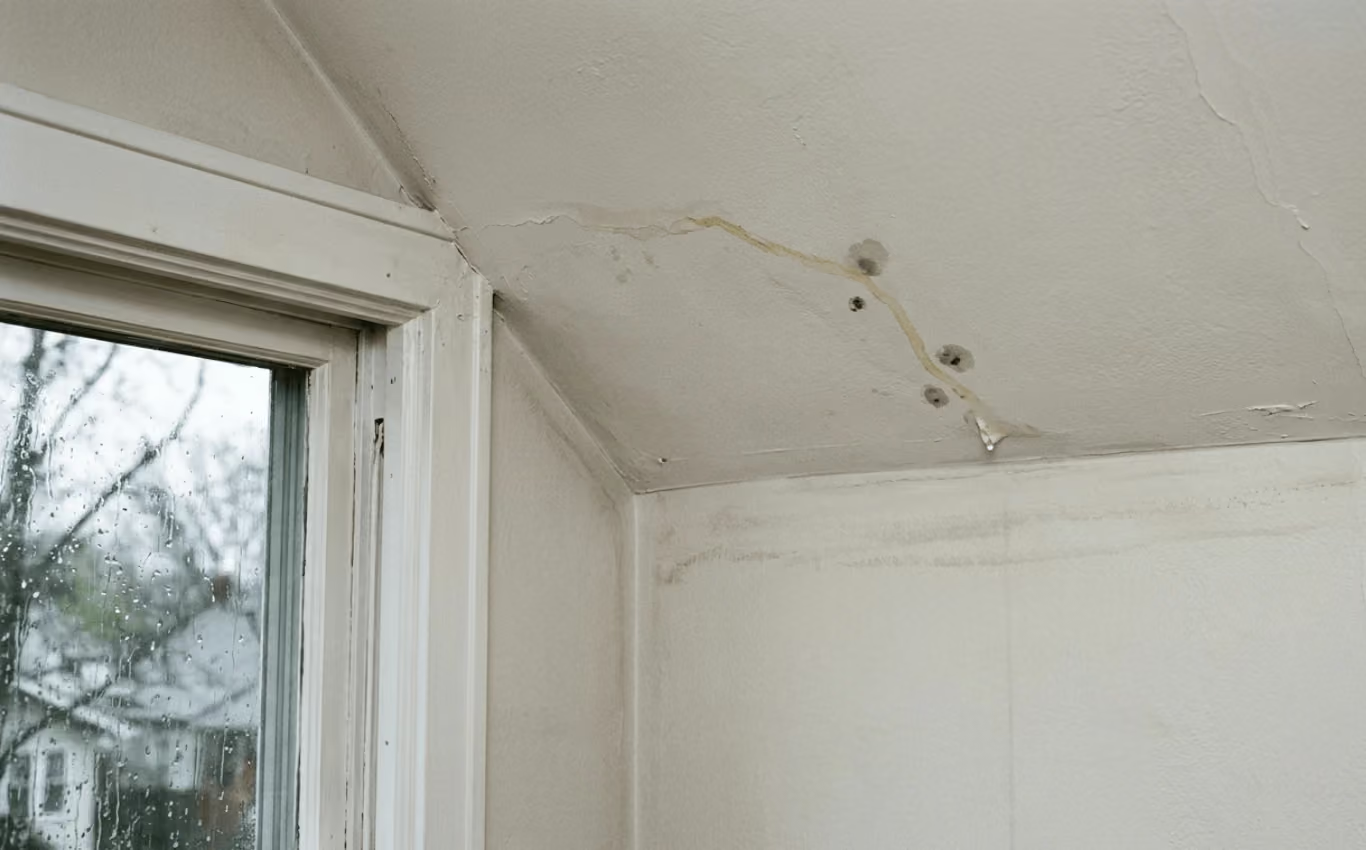
As temperatures rise and conditions change, the effects of winter begin to surface.
Spring rain is often the first consistent water exposure your roof faces after winter. Unlike snow, which sits and melts slowly, rain actively moves across the roof, testing every seam and transition. Areas that held up under frozen conditions may begin to leak once water starts flowing more freely.
As the weather warms, roofing materials expand again and attempt to return to their original shape. Any areas that were weakened during winter may struggle to settle properly, leading to lifted shingles, uneven surfaces, or subtle misalignment that becomes more noticeable over time.
The first signs of damage are rarely dramatic. A faint ceiling stain, a slight discoloration near a wall, or a small drip during heavy rain may not seem urgent. However, these early indicators are often the result of deeper issues that have been developing for months.
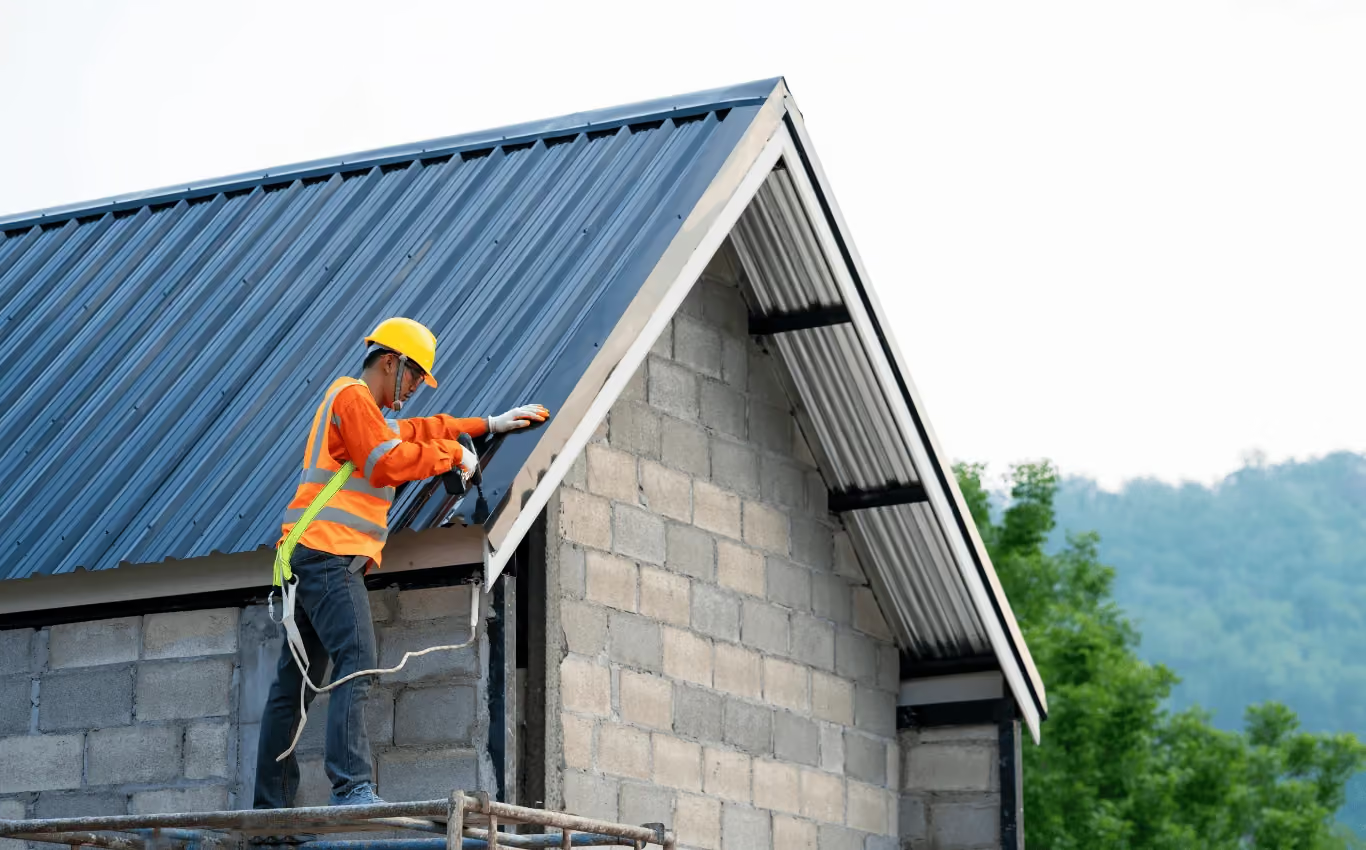
A thorough spring inspection focuses on the areas most affected by winter stress.
Edges are where ice buildup and water concentration are most common. These areas experience repeated freezing and thawing, making them more vulnerable to loosening or separation. Checking for gaps, lifted materials, or early signs of wear here can prevent larger issues from forming.
Valleys handle a significant amount of water flow during both snowmelt and spring rain. Because they act as natural drainage channels, even small imperfections can lead to major problems. Proper detailing and alignment are critical in these areas to ensure water moves efficiently off the roof.
Flashing protects the most vulnerable points of your roof, including areas around chimneys, vents, and wall intersections. If flashing was bent, loosened, or improperly fitted during winter, it can quickly become a point of entry for water. Precision work, especially through Custom Fabrication, helps maintain tight, reliable protection in these critical zones.
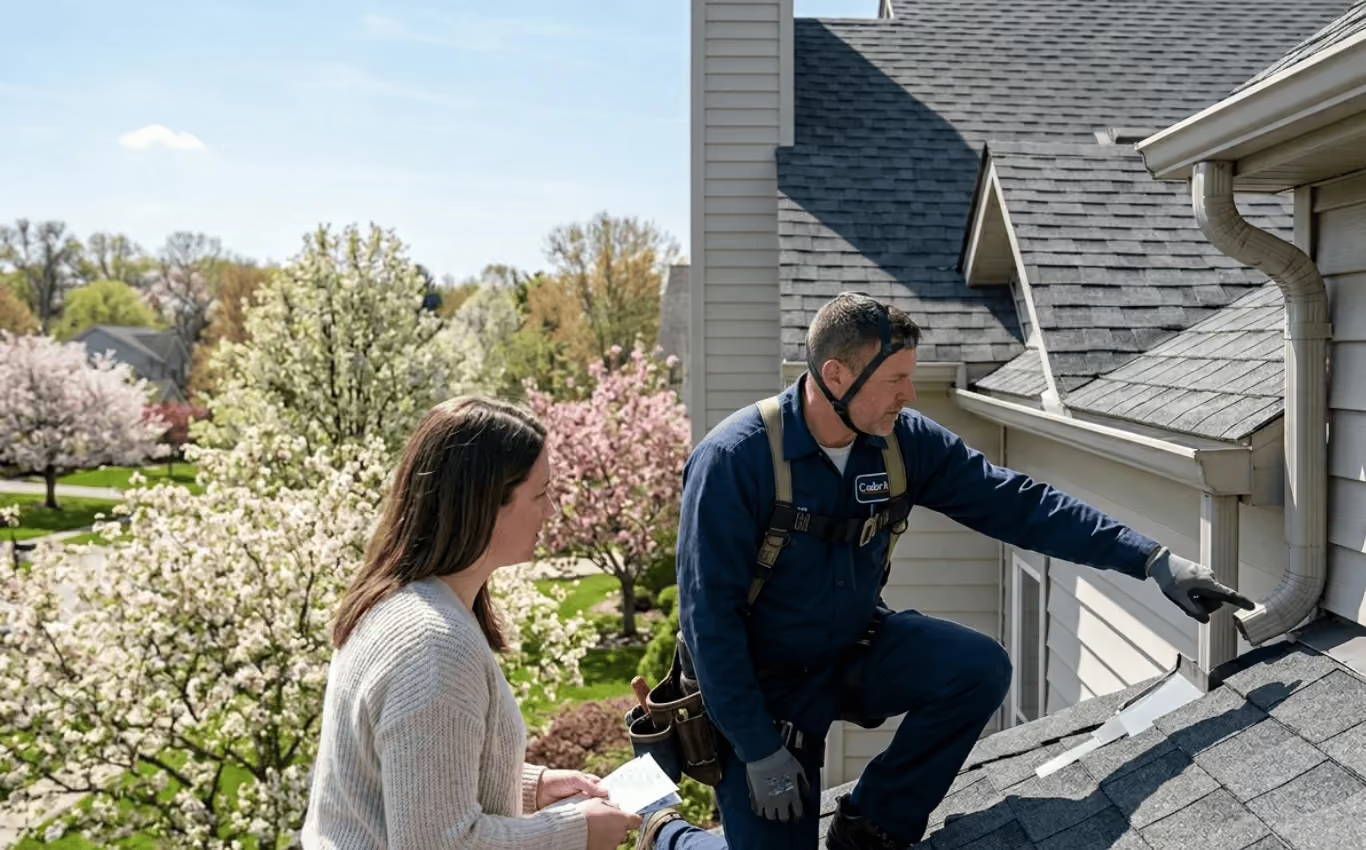
Addressing issues early makes a significant difference in both cost and performance.
Small problems are much easier to fix when they are identified early. What might be a simple adjustment or minor repair in spring can become a major issue involving structural damage or interior work if left untreated.
Spring provides moderate temperatures and better working conditions, allowing for more accurate inspections and effective repairs. This makes it the ideal time to address issues before the extreme heat of summer or the storms of fall.
Your roof works together with other elements of your home’s exterior. Spring is a great opportunity to evaluate how your roof interacts with Siding systems and other structural components to ensure everything is functioning as a complete system.
You can see how properly maintained systems hold up over time by exploring Cedar’s work on the Projects page.
By the time roofing problems become obvious, they’ve usually been developing quietly for months. Winter creates the conditions that lead to damage, but spring is when those effects begin to surface. Taking a proactive approach allows you to identify issues early, correct them efficiently, and avoid larger, more expensive problems down the line. A well-timed inspection doesn’t just protect your roof, it protects your entire home. Understanding what winter really did to your roof gives you the opportunity to stay ahead, rather than react later.
© 2026 Cedar Solutions Roofing powered by Tauri social.