


.webp)

.webp)
.webp)


© 2026 Cedar Solutions Roofing powered by Tauri social.
Ready to strengthen the most important part of your roofing system?
Schedule Your Roofing Consultation


When homeowners think about roofing, they usually focus on the most visible elements, shingles, color, style, or overall appearance. But the areas that determine whether a roof truly performs over time are often the least noticeable. Roof edges are where the entire system begins and ends. They are the transition points where water exits, wind pressure increases, and structural protection is tested constantly.
On Long Island, where coastal storms, heavy rain, and seasonal temperature changes put homes under continuous stress, roof edges experience more exposure than almost any other part of the roof. A roofing system is only as strong as the way its edges are designed, detailed, and protected. When these areas are handled correctly, the roof performs efficiently for years. When they are overlooked, even high-quality materials can fail much sooner than expected.

Water management starts at the edge, not the center of the roof.
A roof’s primary job is not simply to block water, it is to direct it safely away from the structure. As rainwater moves downward, roof edges become the final exit point for drainage. If edges are poorly detailed or improperly aligned, water can collect, back up, or move beneath roofing materials instead of away from them. A professionally designed Roofing System ensures that water exits efficiently without compromising surrounding materials.
Drip edges may seem like a minor detail, but they play a critical role in preventing water from curling underneath roofing materials. Without proper edge protection, moisture can slowly reach fascia boards, soffits, and structural wood components. These issues often remain hidden until significant damage has already developed.
During heavy rain or coastal storms, roof edges experience concentrated water movement and wind-driven moisture. These conditions test every seam and transition point. Precision detailing becomes essential in preventing water intrusion during extreme weather conditions.
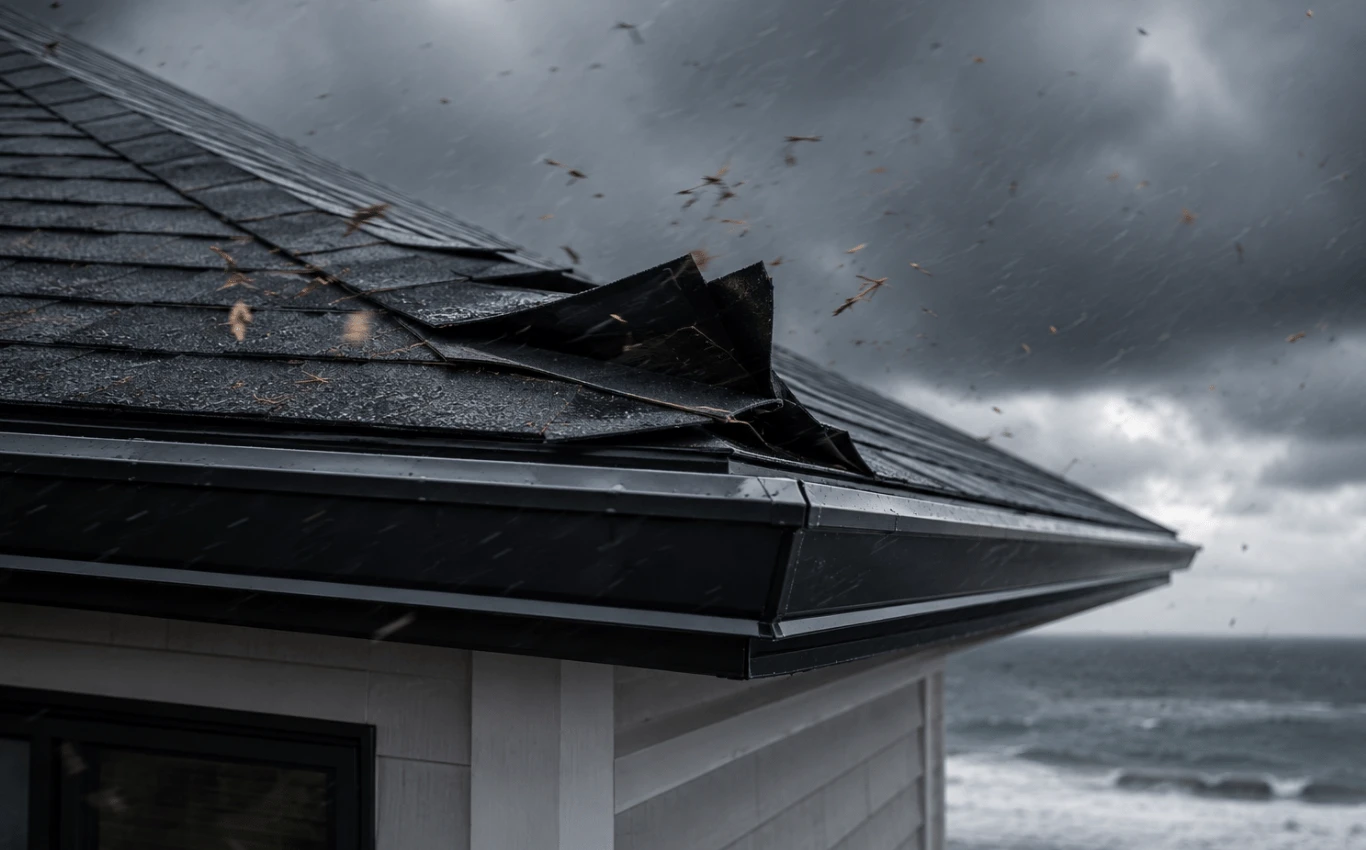
Wind rarely impacts the roof evenly.
As wind moves across a home, pressure increases significantly near roof edges and corners. These areas experience both uplift and suction forces that can loosen improperly secured materials over time. This is one reason why edge installation quality is critical for long-term durability.
Most major roofing failures begin with a small area becoming exposed. Once wind lifts an edge or weakens a transition point, surrounding materials become more vulnerable as well. What begins as a minor issue can quickly spread across larger sections of the roof system.
Homes on Long Island face additional exposure from salt air, humidity, and strong seasonal winds. These environmental factors place even greater stress on roof edges, making durable installation and proper detailing essential for performance.
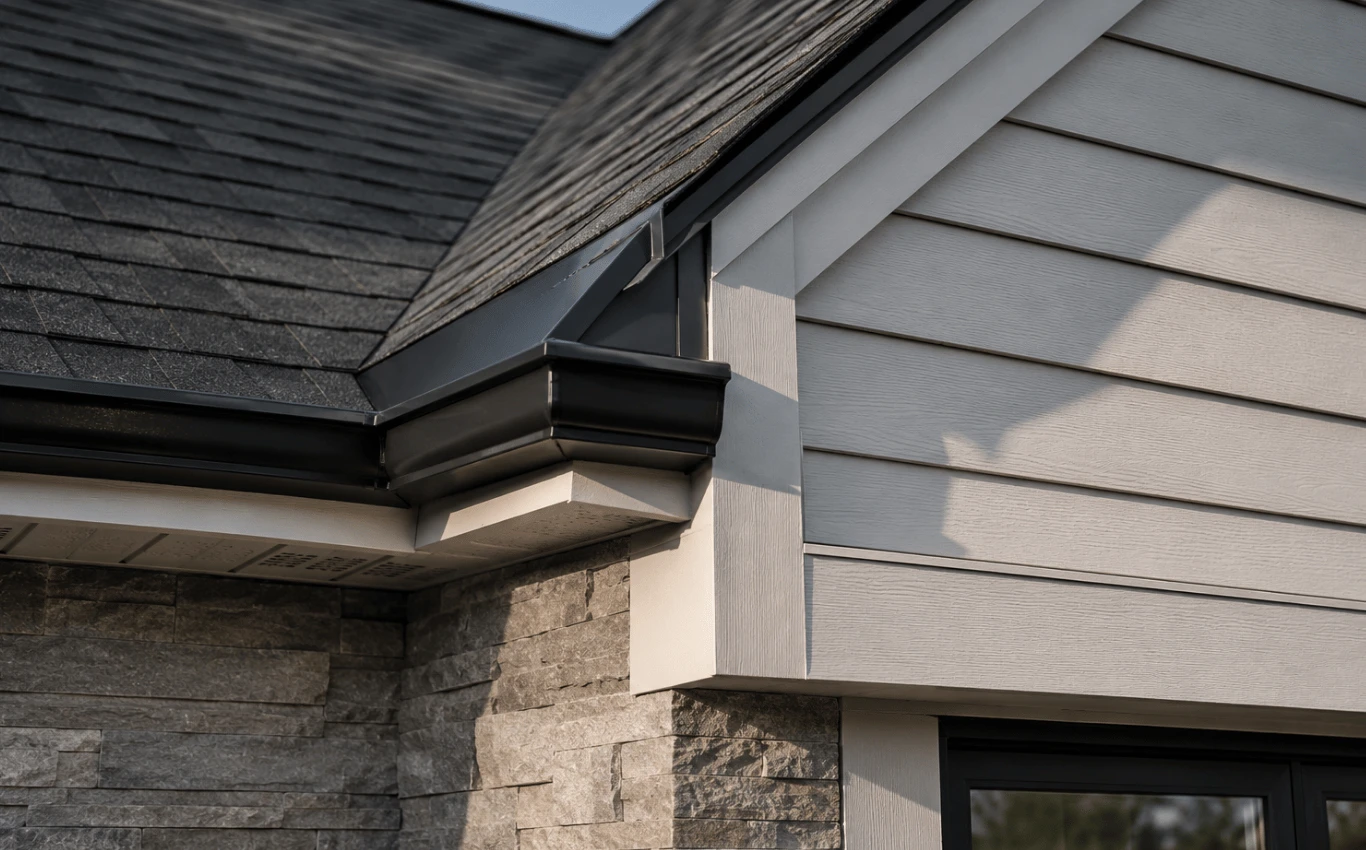
The edge of the roof is where several protective systems meet.
Water leaving the roof immediately interacts with the exterior walls of the home. If the transition between roofing and Siding Systems is not properly integrated, moisture can bypass protective layers and enter vulnerable areas of the structure.
Roof edges rely heavily on flashing to seal transitions and direct water flow. Improperly installed flashing often becomes the starting point for leaks and hidden moisture damage. Precision Custom Fabrication helps ensure that these edge details fit correctly and perform consistently over time.
The overall quality of a roofing system is often determined by how well small edge details are executed. Straight lines, secure transitions, and properly fitted metalwork all contribute to how the system performs years after installation.
You can see how Cedar integrates these systems across real homes on the Projects page.
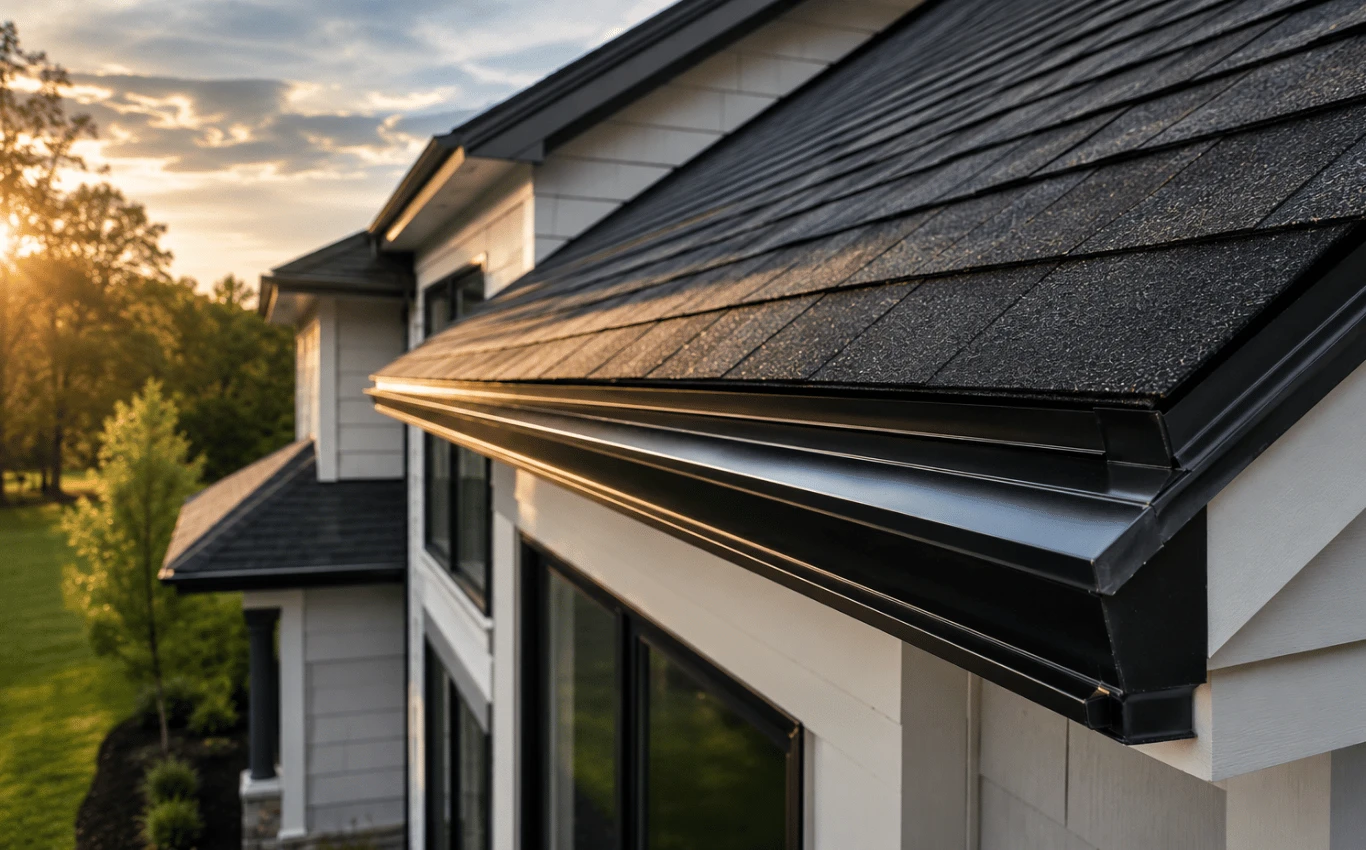
Long-term performance comes from precision, not just materials.
Even high-end shingles can fail early if roof edges are not properly designed and protected. Roofing performance depends on how every layer works together, especially at vulnerable transition points.
Damage near roof edges is not always visible from the ground. Moisture intrusion, lifting materials, or weakened flashing may develop quietly for months before obvious signs appear inside the home.
Roof systems that prioritize edge protection tend to perform better over time because they reduce stress on surrounding materials and improve drainage efficiency. Proper detailing protects the entire structure, not just the perimeter.
For more insight into long-term roofing performance, explore our related blog posts on “Why Premium Roofing Is a System, Not a Product” and “The Roof Timeline: What Happens Year 1, Year 5, and Year 15.”
Roof edges may seem like small details, but they are some of the most important components of the entire roofing system. They manage water exit, resist wind pressure, and connect multiple exterior systems together.
When roof edges are designed and installed with precision, they strengthen the performance of the entire home. On Long Island, where environmental conditions constantly challenge exterior materials, these details are essential for long-term protection. A durable roof is not defined only by what covers the surface, but by how well the edges handle everything the environment throws at them.
© 2026 Cedar Solutions Roofing powered by Tauri social.