




© 2026 Cedar Solutions Roofing powered by Tauri social.
Ready for an exterior that looks beautiful from sunrise to sunset?
Upgrade Your Siding Today


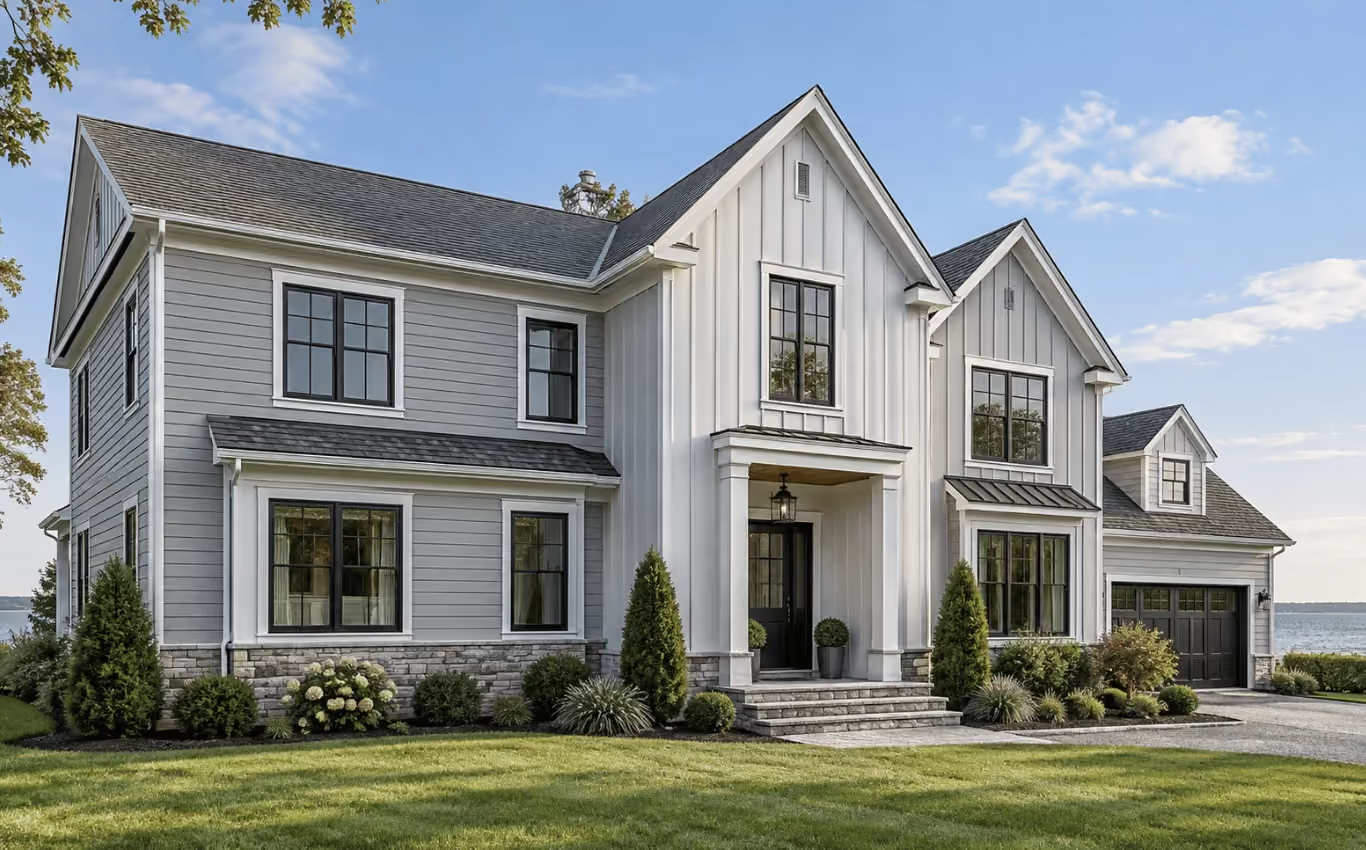
The appearance of your home is constantly changing, even when nothing about the structure itself has changed. In the morning, soft sunlight may highlight textures and subtle details. By midday, direct overhead light creates a brighter, cleaner appearance, while evening shadows add depth and contrast across the exterior. These natural lighting changes influence how siding color, texture, and architectural details are perceived throughout the day.
On Long Island, where homes experience varying sun angles, coastal light, and seasonal weather, understanding how natural light interacts with your siding is an important part of creating an exterior that looks beautiful from sunrise to sunset. Great siding isn't simply selected for how it looks in one photograph, it is designed to perform visually under changing conditions every day.
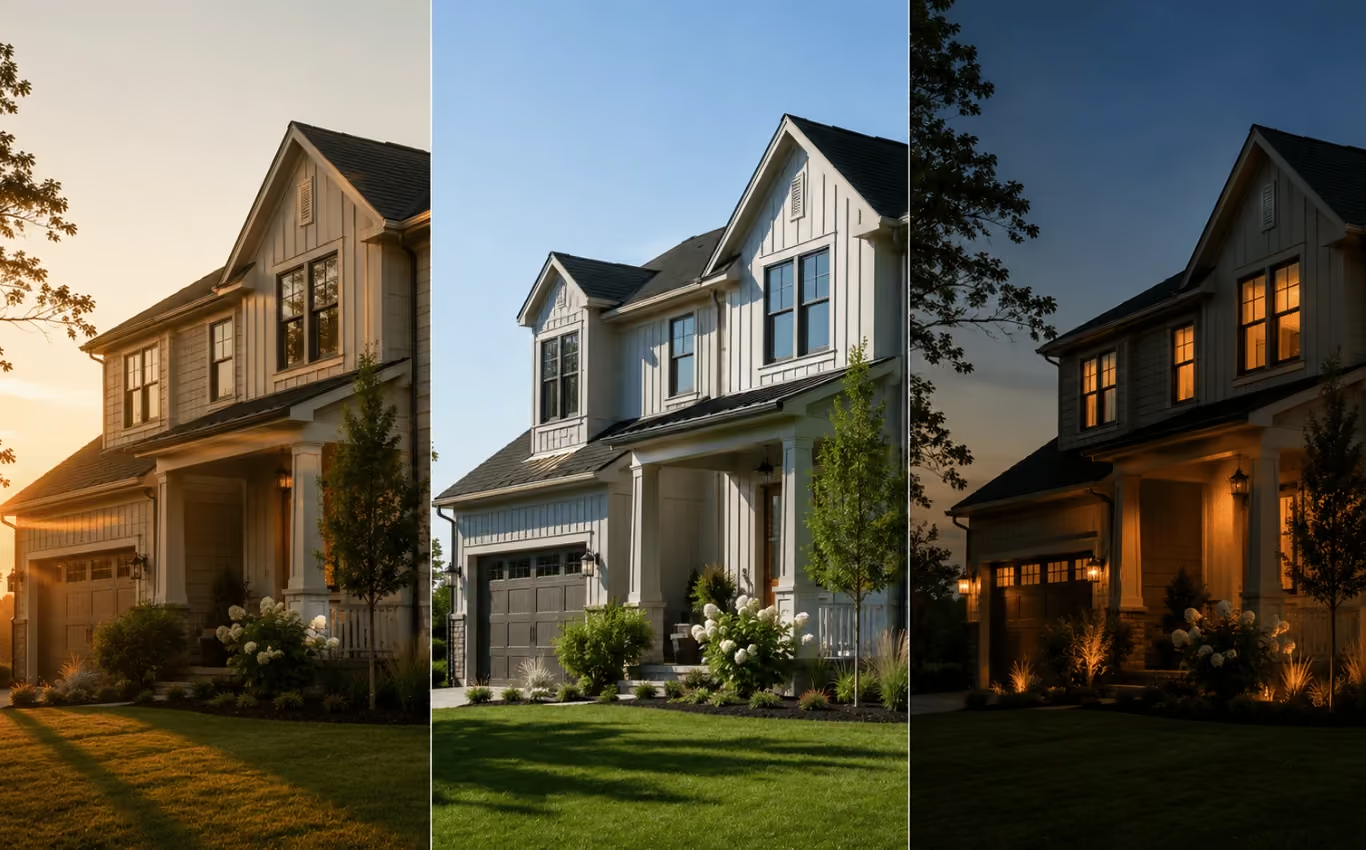
The same siding color can appear dramatically different depending on the time of day and the direction of sunlight. This is one reason why choosing siding involves more than selecting a color sample. Understanding how natural light interacts with your exterior allows homeowners to make design decisions that continue looking attractive throughout every season and every hour of the day.
During the morning, sunlight sits lower on the horizon, producing softer, warmer lighting that changes the way your home's exterior is perceived. Colors often appear more subtle, while siding textures and architectural details become more noticeable because of the longer shadows cast across the surface. Homes with carefully selected siding profiles and quality craftsmanship often showcase greater depth during these early hours, creating a welcoming appearance before the stronger midday sun changes the look of the exterior.
As the sun moves higher in the sky, shadows become shorter and the siding is illuminated more evenly. This is typically when homeowners see the truest representation of the material's color, finish, and overall consistency. Midday lighting also makes it easier to notice the quality of installation, including straight panel alignment, clean transitions, and uniform spacing. A professionally installed Siding System is designed to maintain a polished appearance regardless of how direct sunlight changes throughout the day.
Late afternoon and evening sunlight creates longer shadows that naturally enhance the home's architectural features. Trim details, corners, window surrounds, and siding profiles become more pronounced as light strikes the exterior from lower angles. This added contrast gives the home a richer, more dimensional appearance and often highlights the craftsmanship that may be less noticeable during brighter daylight hours.
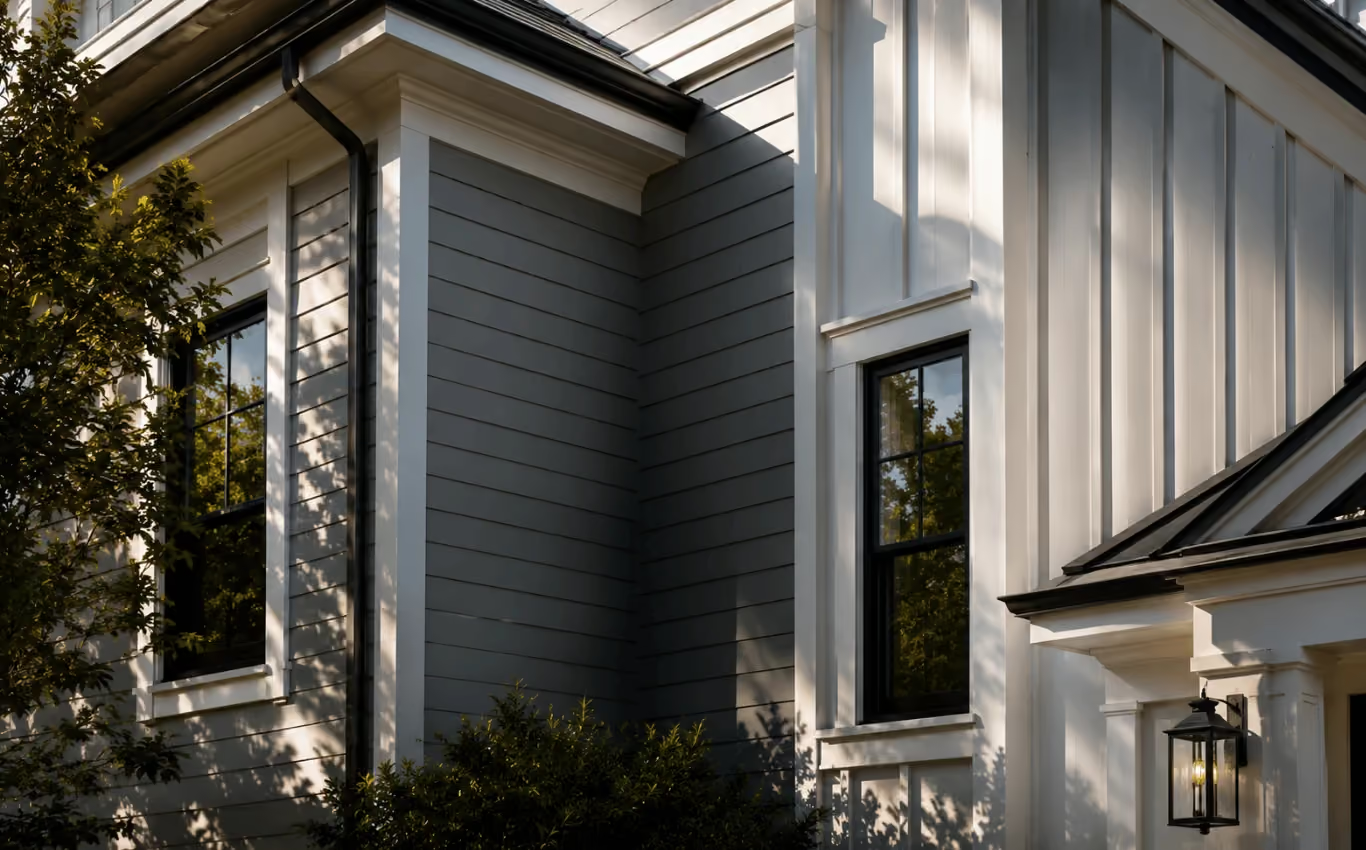
Siding is more than color alone. Texture, panel depth, and shadow lines all contribute to how the home is perceived throughout the day. These architectural details create visual movement that changes naturally as the sun moves across the sky, giving the exterior a different personality from morning to evening.
Every lap, joint, trim board, and transition creates subtle shadow lines that evolve as the sun moves across the sky. These shadows are an intentional part of architectural design, helping add depth, texture, and visual interest to the home's exterior. Well-designed siding layouts use these changing shadows to enhance curb appeal and create the refined appearance often associated with premium residential construction.
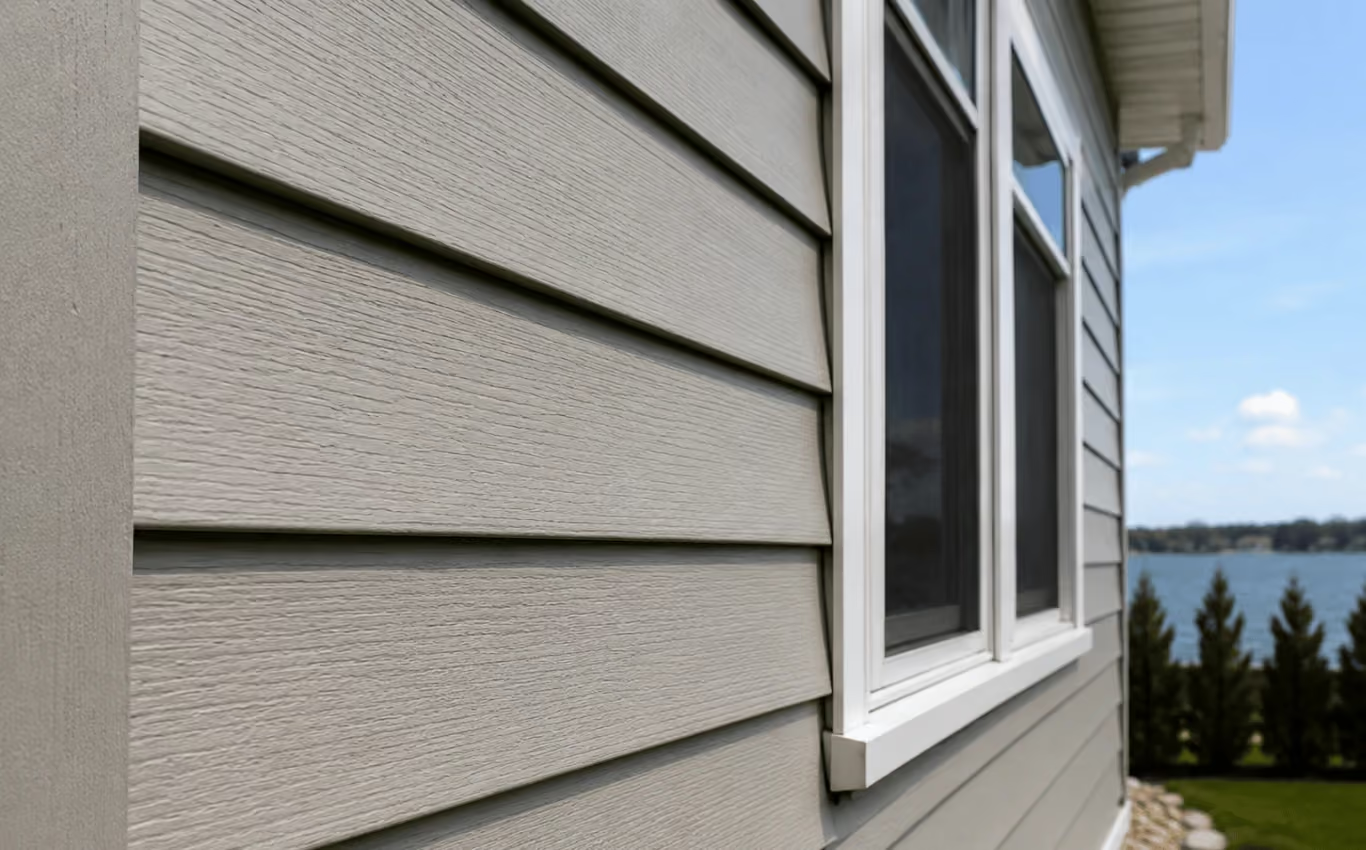
Horizontal lap siding, vertical siding, and board-and-batten styles each interact with natural light in unique ways. Some profiles create stronger shadow lines and a greater sense of depth, while others reflect light more evenly to produce a cleaner, more contemporary appearance. Choosing the right siding profile allows homeowners to achieve both the architectural style they want and an exterior that remains visually appealing throughout the day.
Bright sunlight naturally highlights the quality of a siding installation. Uneven panel spacing, misaligned joints, or inconsistent trim details become much easier to notice when sunlight creates sharp shadows across the surface. On the other hand, precise craftsmanship produces clean lines and smooth transitions that continue to look professional regardless of changing lighting conditions, reinforcing the home's overall quality.
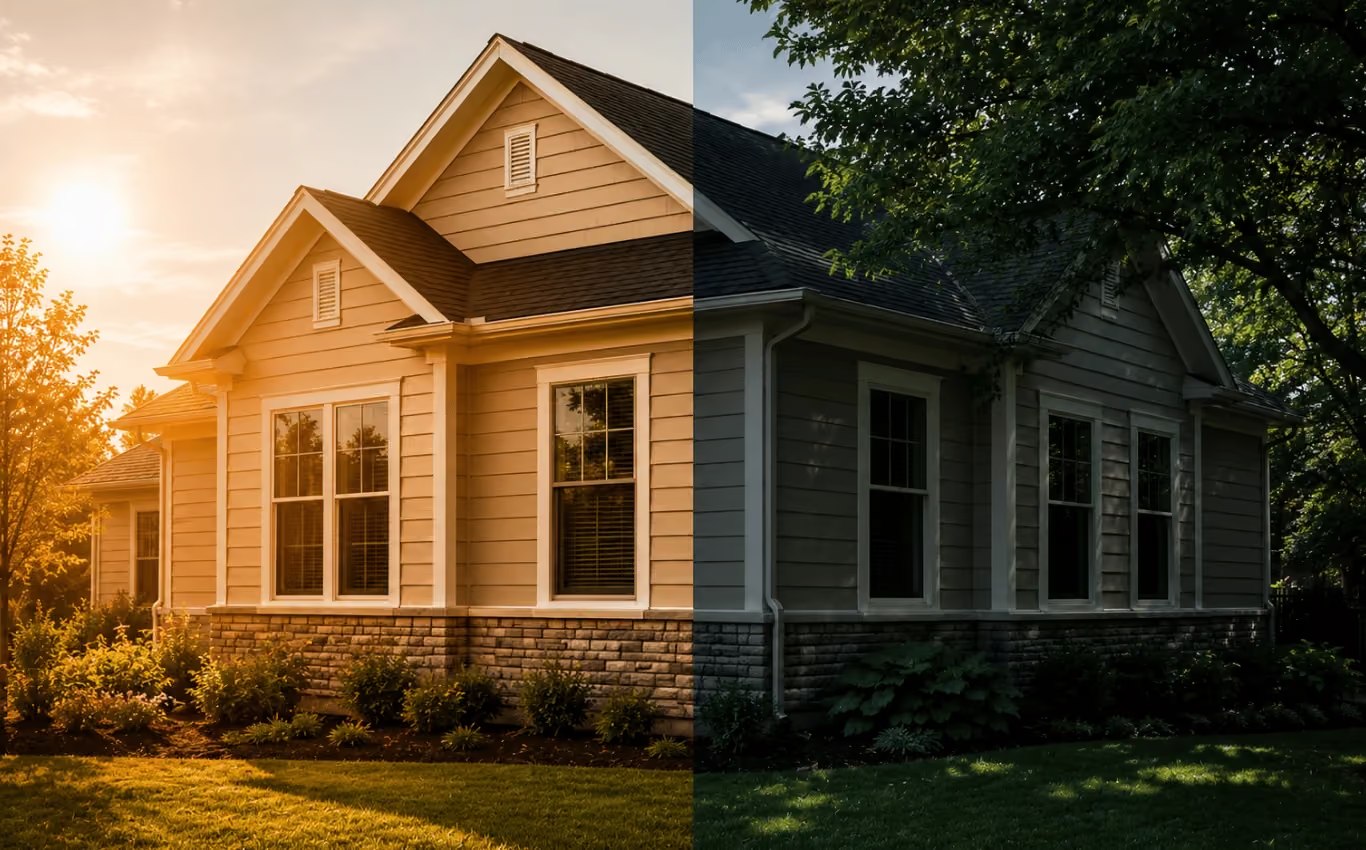
Because sunlight changes throughout the day, each side of the home experiences unique lighting conditions that influence both appearance and long-term performance. The amount of direct sunlight, shade, and moisture each wall receives gradually affects how materials age and how the exterior looks from different viewpoints.
Walls that receive several hours of direct sunlight every day experience greater UV exposure and higher surface temperatures than the rest of the home. Over time, these conditions can contribute to gradual fading and increased thermal movement within the siding system. Selecting durable materials and installing them correctly helps maintain both appearance and long-term performance despite continuous sun exposure.
North-facing walls or areas protected by trees often receive much less direct sunlight, creating a softer appearance throughout the day. These shaded sections may emphasize siding texture and architectural details differently while also remaining cooler and retaining moisture for longer periods after rain or humid weather. Proper ventilation and moisture management are especially important in these locations.
The same lighting conditions that affect how your home looks today also influence how it ages over the years. Areas exposed to stronger sunlight experience more UV radiation and temperature changes, while shaded sections often deal with increased moisture and slower drying times. Understanding these differences helps homeowners appreciate why each side of the house may weather differently over time.
For a deeper look at how different levels of sunlight affect exterior performance, explore our related blog "Siding and Shade: How Sun Exposure Changes Different Sides of Your Home."
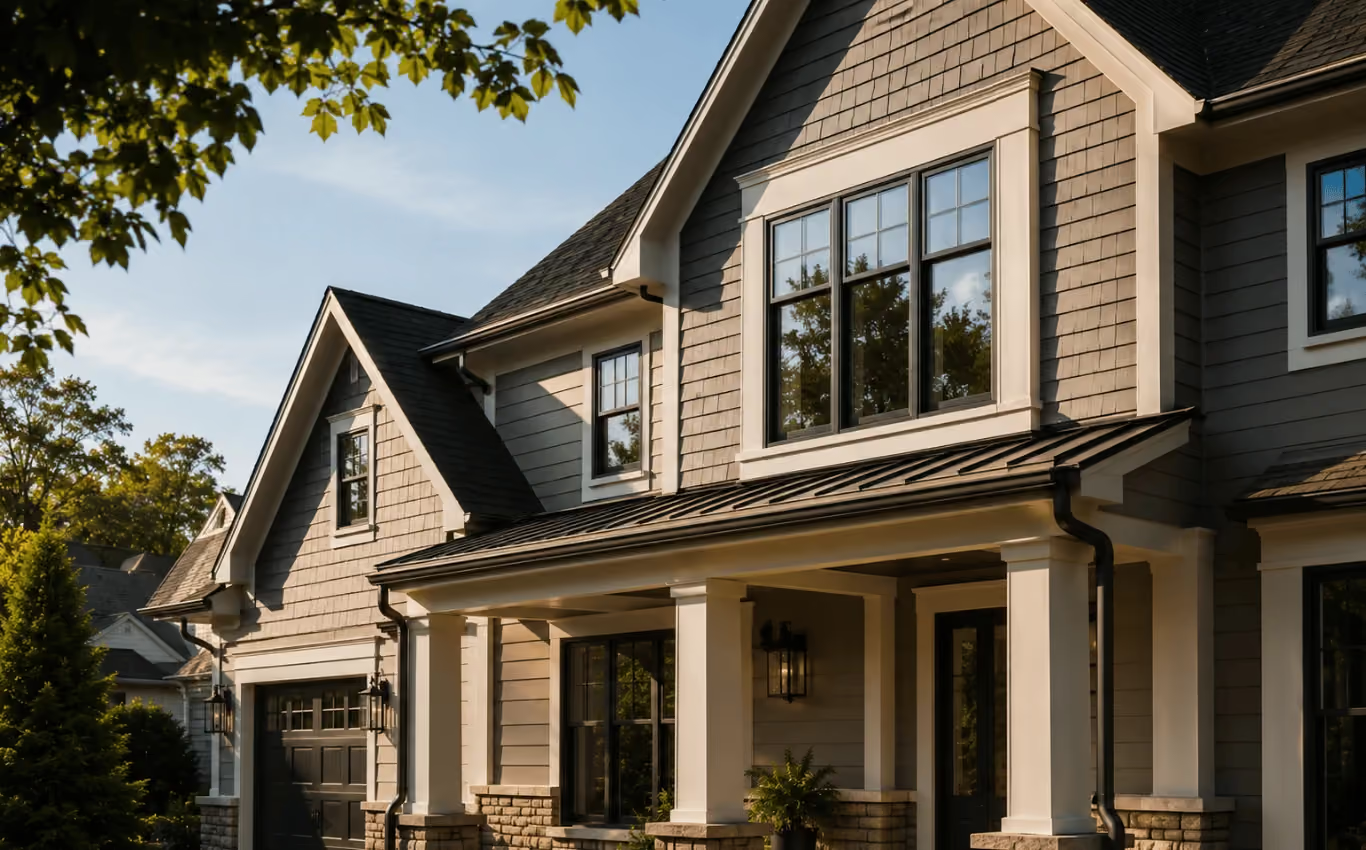
The most successful siding projects are designed with changing light in mind rather than relying on appearance under one set of conditions. Material selection, installation quality, and architectural detailing all contribute to an exterior that remains attractive throughout the day and continues performing well for years.
High-quality siding materials are chosen for more than durability alone. They are also designed to maintain consistent color, texture, and finish despite years of changing sunlight and seasonal weather. Premium products resist fading more effectively and help the exterior retain its original appearance, allowing the home to look balanced and well-maintained for many years.
Roof overhangs, fascia, gutters, and rooflines all influence how sunlight reaches different parts of the home's exterior. Together with the siding system, these elements help manage shade, direct water away from vulnerable areas, and create balanced architectural proportions. When roofing and siding are designed as one coordinated exterior system, the home benefits from improved protection as well as a more cohesive appearance.
Some of the most important features of an exterior are also the easiest to overlook. Trim profiles, corner boards, transition pieces, and precision Custom Fabrication all contribute to how sunlight and shadows move across the home throughout the day. These seemingly small details create cleaner architectural lines, improve visual balance, and help transform a standard exterior into one that feels polished and professionally designed.
You can also learn how thoughtful exterior design contributes to a premium appearance by reading our related blog "Why Luxury Homes Treat Siding as Architecture, Not Cladding."
You can see examples of Cedar's completed exterior projects by visiting the Projects Page.
Your home's exterior is never viewed under exactly the same conditions twice. Morning light, afternoon sun, and evening shadows all influence how siding colors, textures, and architectural details are perceived.
A well-designed siding system takes these changing conditions into account, creating an exterior that remains attractive throughout the day while continuing to perform against Long Island's changing weather. By combining premium materials, expert craftsmanship, and thoughtful architectural planning, homeowners can enjoy an exterior that looks balanced, refined, and durable from sunrise to sunset.
© 2026 Cedar Solutions Roofing powered by Tauri social.