




© 2026 Cedar Solutions Roofing powered by Tauri social.
Ready to create a beautifully balanced exterior with the perfect siding combination?
Explore Our Siding Services


A beautiful home exterior doesn't need multiple materials or dramatic colors to stand out. The secret to a refined appearance often lies in choosing the right combination of siding finishes and giving each one a clear purpose.
The 70/30 rule of exterior design offers a simple approach: use approximately 70% of one dominant siding material and 30% of a complementary accent. For Long Island homeowners, this flexible design guideline can help create a balanced, modern exterior without overwhelming the home's architecture.
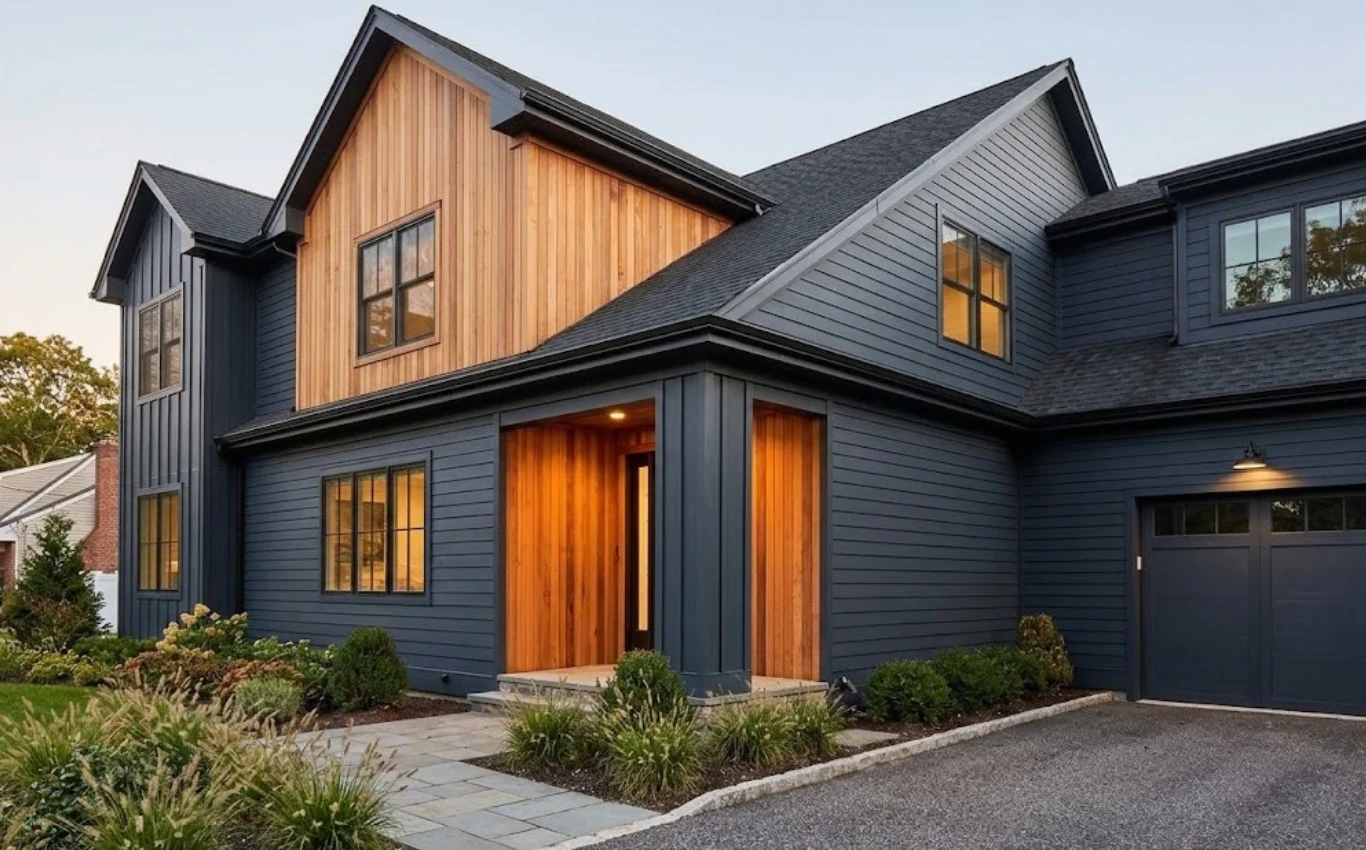
Combining siding materials without a clear strategy can make an exterior feel busy and disconnected. The 70/30 approach creates visual harmony by allowing one material to establish consistency while another adds character and contrast.
The primary siding material establishes a consistent appearance across the home, connecting architectural features without unnecessary visual interruptions. Professional Siding services help homeowners select materials that complement their architecture while providing reliable protection.
Accent siding highlights important architectural features, such as entrances, upper gables, or projecting sections. Natural cedar, vertical panels, or contrasting finishes can introduce personality without overpowering the main exterior design.
The 70/30 rule is a flexible guideline rather than a strict formula that every home must follow. Depending on the architecture, an 80/20 or 60/40 combination may create a more natural and visually balanced result.
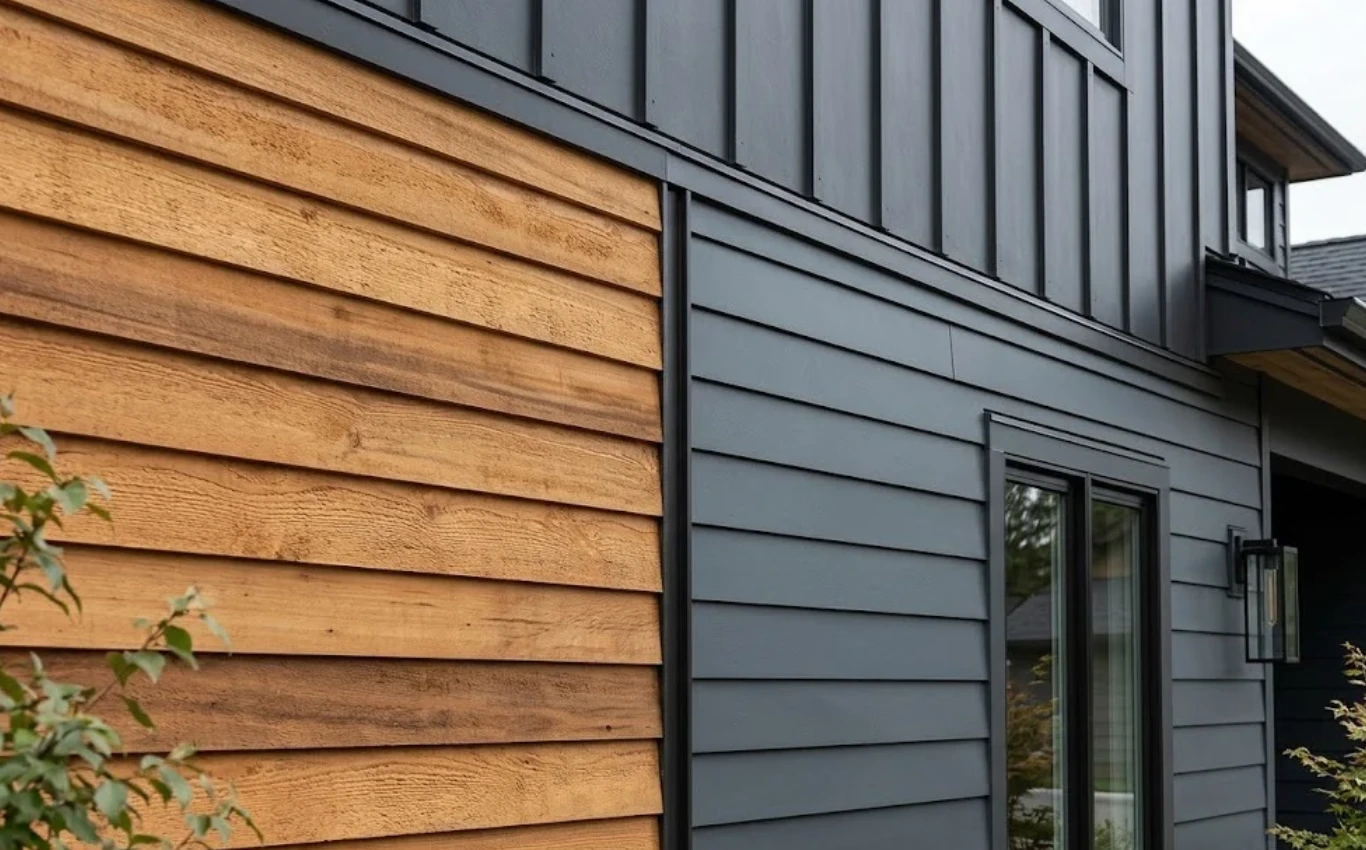
Successful mixed-material exteriors depend on how different textures, colors, and profiles work together. Choosing complementary materials creates architectural interest while maintaining a cohesive appearance.
Combining natural cedar with modern siding creates a balance between organic warmth and contemporary simplicity. This combination is particularly appealing for Long Island coastal homes, where traditional character and modern design often come together.
Horizontal siding emphasizes width, while vertical profiles draw attention upward and highlight architectural features. Combining these orientations strategically creates contrast without requiring multiple colors or completely different materials.
Our previous blog, "How Siding Can Make a Home Look Taller, Wider, or More Balanced," explores how siding direction influences architectural proportions.
The right color combination can create depth and character without making the exterior feel overwhelming. Soft neutrals, natural wood tones, and subtle contrasts often produce a more timeless appearance than competing bold colors.
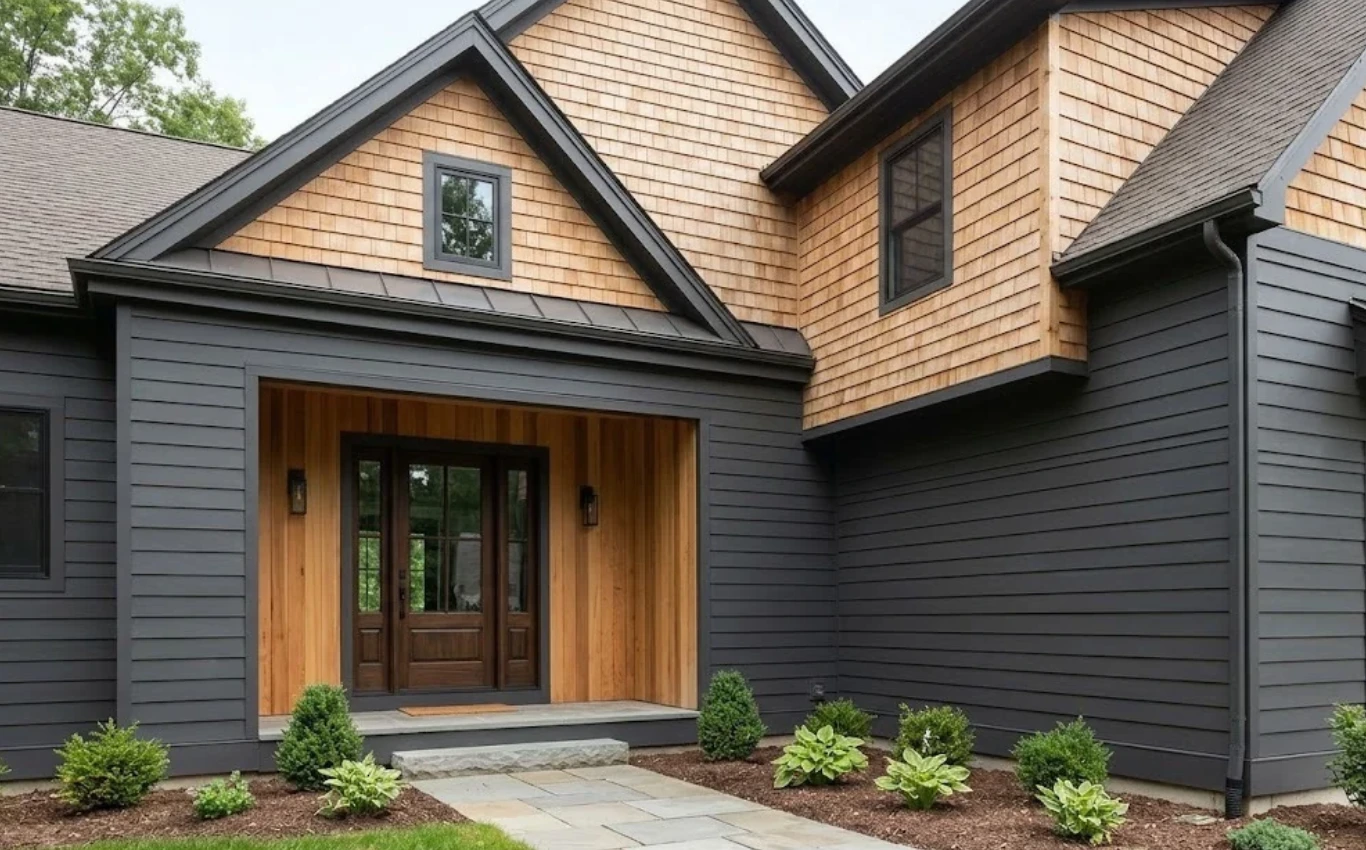
Even the most attractive materials can look disconnected when placed without considering the architecture. Accent siding should highlight natural building features and create purposeful transitions rather than dividing the exterior randomly.
Using a complementary siding material around the entrance creates a welcoming focal point and emphasizes the home's main architectural feature. Natural wood or contrasting vertical panels can add warmth while maintaining the consistency of the surrounding exterior.
Upper gables and projecting sections provide natural opportunities to introduce different siding profiles or finishes. Placing accents along existing architectural boundaries helps create depth without making the façade appear fragmented.
Different siding materials require carefully planned connections to maintain clean lines and proper moisture protection. Professional custom fabrication can create precise transitions that complement the architecture without unnecessary visual interruptions.
Our related blog, "The Rise of Invisible Detailing: Why the Best Metalwork Is Barely Noticeable," explores how subtle craftsmanship improves the appearance of luxury exteriors.
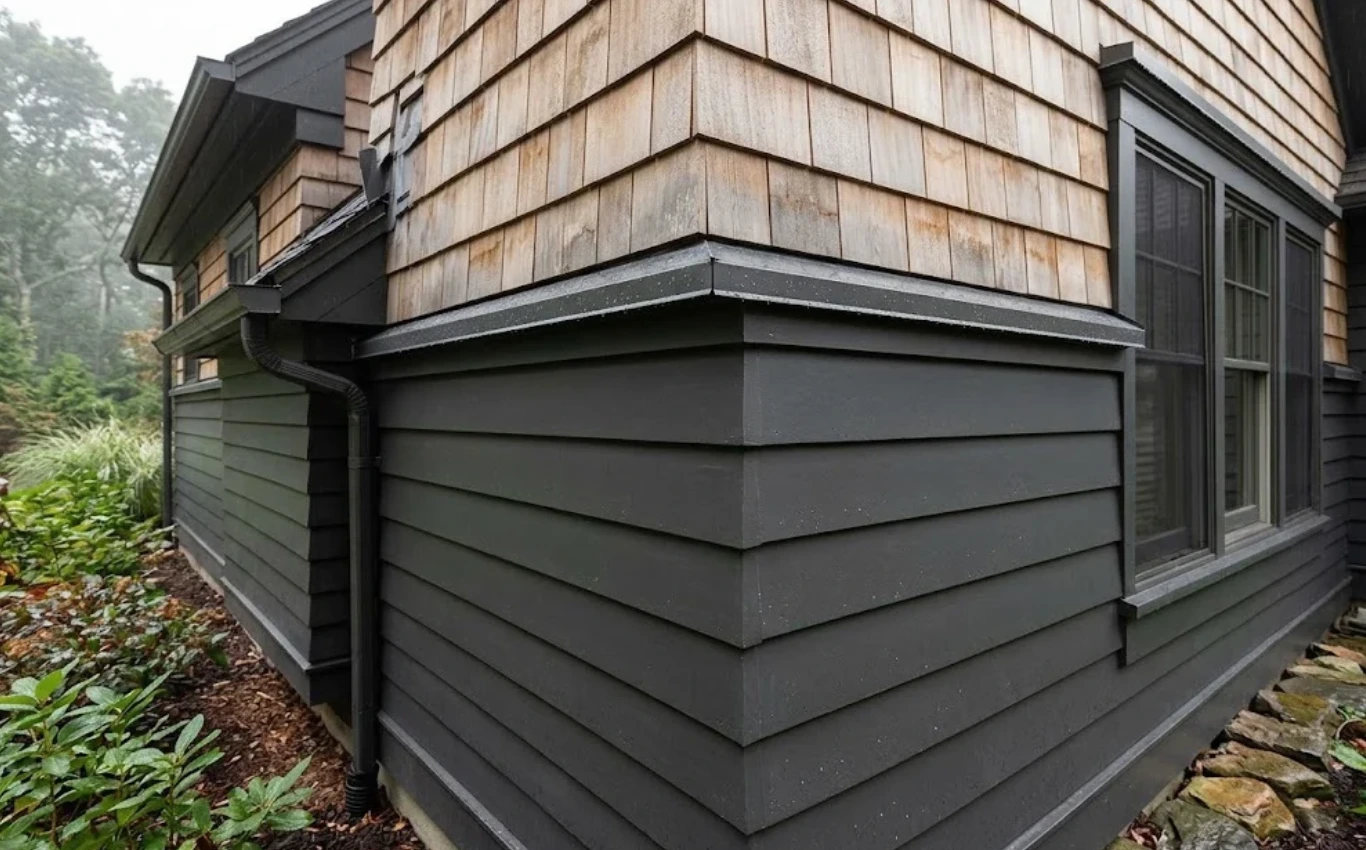
A successful siding design should remain attractive while protecting the home against Long Island's changing weather conditions. Material durability, maintenance requirements, and moisture management are just as important as visual balance.
Natural wood and manufactured siding materials may age differently and require different levels of maintenance. Understanding these requirements helps homeowners choose combinations that remain practical and attractive over time.
Proper flashing, drainage, and water-resistive barriers help protect the structure behind mixed siding materials. Coordinating siding installation with professional roofing services is especially important where different exterior systems meet.
Using fewer materials with greater intention often creates a more sophisticated exterior than combining numerous finishes. A dominant siding material, carefully selected accents, and precise transitions help maintain a refined appearance beyond short-lived design trends.
Explore Cedar Solutions Roofing's Projects Page to see how siding, roofing, and architectural details come together across Long Island homes.
Mixing siding materials successfully is not about adding more colors, textures, or profiles. It is about creating a clear relationship between the materials and the architecture they are meant to complement.
The 70/30 rule provides a practical starting point for achieving that balance, allowing one siding material to establish consistency while another adds character. For Long Island homeowners, thoughtful material selection, precise installation, and proper moisture management can create an exterior that feels modern, cohesive, and built to last.
© 2026 Cedar Solutions Roofing powered by Tauri social.