






© 2026 Cedar Solutions Roofing powered by Tauri social.
Ready to replace your roof with confidence in 2026?
Schedule Your Roofing Consultation


For many homeowners in Remsenburg, replacing a roof is one of the most significant investments they will make in their home. Yet despite its importance, the decision is often delayed until leaks appear, shingles begin failing, or storm damage becomes impossible to ignore.
The challenge is that roof replacement involves much more than simply installing new shingles. Coastal weather, material selection, ventilation, flashing details, and long-term performance all influence how successful a roofing project will be.
In a community like Remsenburg, where homes are exposed to salt air, seasonal storms, humidity, and strong coastal winds, understanding what goes into a modern roofing system is more important than ever. As 2026 approaches, homeowners who take the time to understand the process, costs, and design considerations behind roof replacement will be in a much better position to protect their property and maximize the value of their investment.
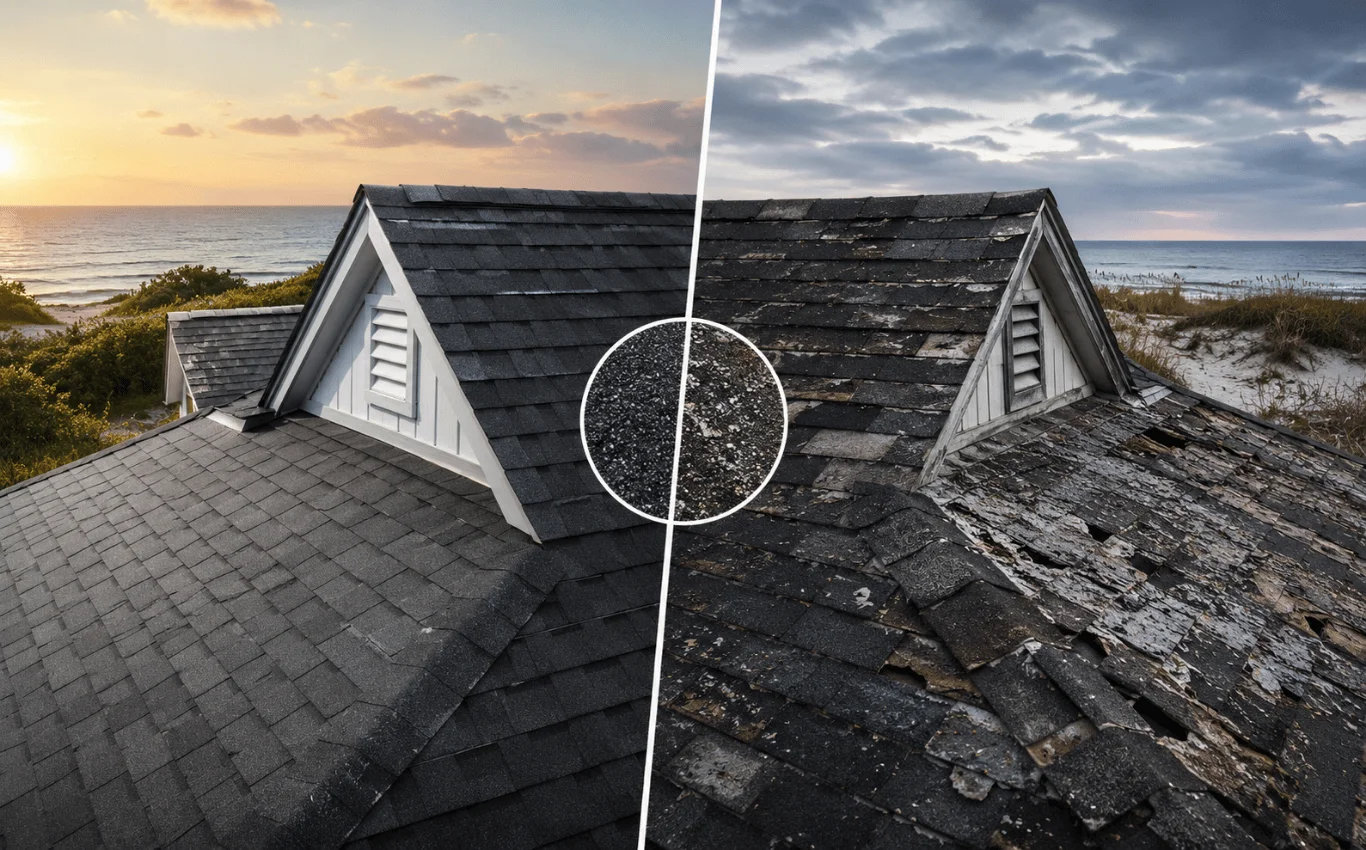
Many homeowners assume a roof should be replaced simply because it has reached a certain age. While age is certainly a factor, it is rarely the only one. The real question is how well the roofing system is performing and whether it can continue protecting the home efficiently in the years ahead.
A roof can be twenty years old and still perform well if it has been properly maintained and built with quality materials. At the same time, a newer roof may experience significant problems if it was poorly installed or exposed to harsh environmental conditions. Visible signs such as missing shingles, recurring leaks, sagging areas, or excessive granule loss often reveal more about a roof’s condition than its age alone.
Homes in Remsenburg face unique environmental pressures compared to inland properties. Salt air, moisture, and seasonal wind exposure can accelerate wear on roofing materials and flashing components. This means homeowners should evaluate roofing performance regularly rather than relying solely on manufacturer life expectancy estimates.
Before deciding whether a replacement is necessary, a professional inspection can help identify hidden issues and determine the overall condition of the system. In some cases, repairs may extend the roof's lifespan. In others, a replacement may be the more cost-effective long-term solution. A professional evaluation of your Roofing System provides valuable insight before making a major investment.
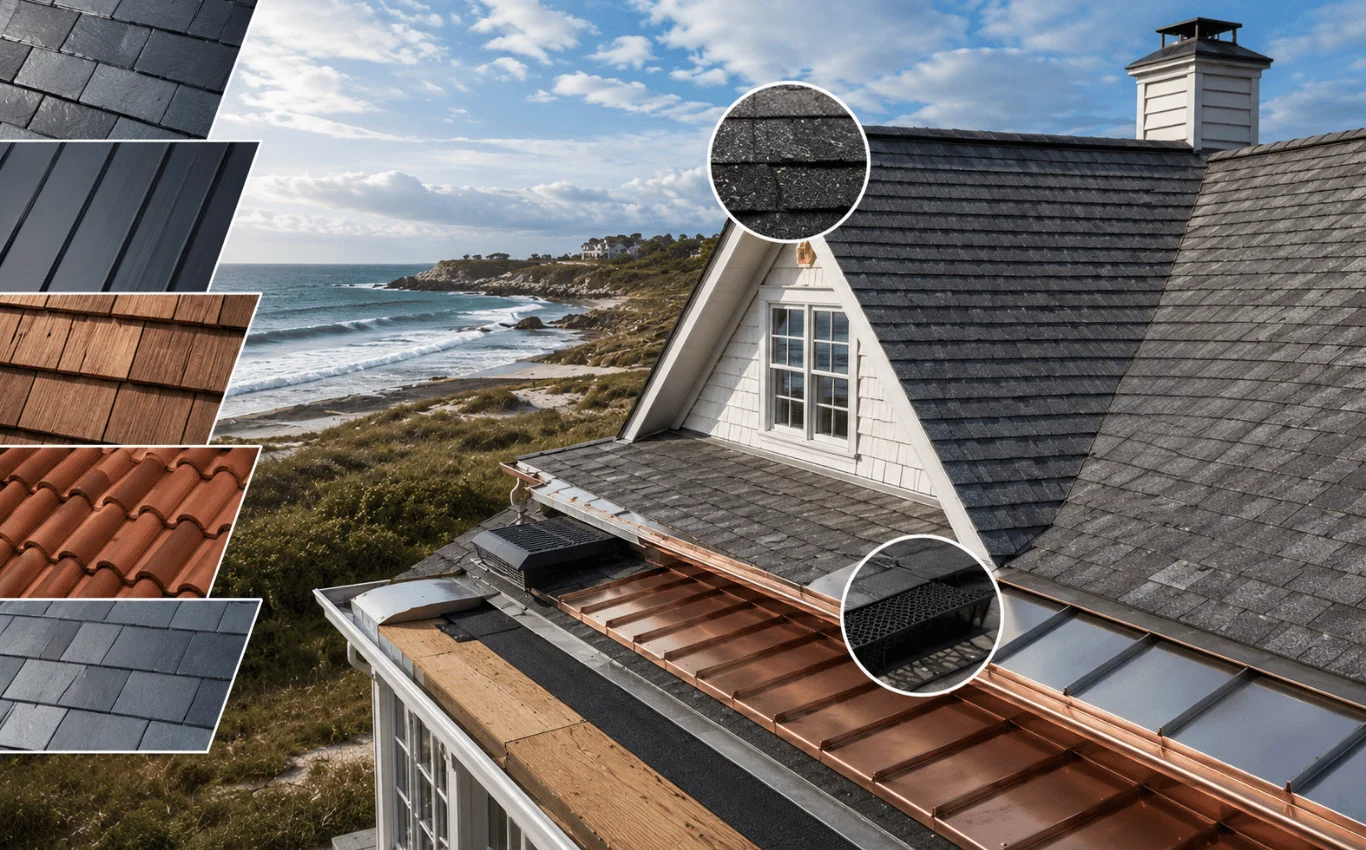
The materials chosen for a roof replacement play a major role in how well the system performs over time. This is especially true for coastal communities where weather conditions place additional stress on exterior surfaces.
Salt carried through the air can gradually affect exposed metal components and accelerate wear in certain roofing assemblies. Homes closer to the water often benefit from materials specifically selected to withstand coastal conditions and maintain performance despite constant exposure.
Roofing materials vary significantly in durability, appearance, and maintenance requirements. While aesthetics are important, long-term performance should remain a priority. Homeowners should consider how materials will respond to UV exposure, moisture, temperature changes, and seasonal storms throughout the life of the roof.
A roof is much more than the visible shingles on the surface. Underlayment, ventilation, flashing, fastening systems, and drainage details all contribute to performance. As discussed in our blog "Why Premium Roofing Is a System, Not a Product," long-term success depends on how these components work together rather than any single material alone.
One of the most common questions homeowners ask is how much a new roof will cost. The answer depends on several variables, many of which extend beyond the size of the roof itself.
Roof complexity, material selection, labor requirements, ventilation upgrades, flashing details, and structural conditions all influence the final project cost. Homes with multiple rooflines, dormers, valleys, and custom architectural features often require additional planning and installation time.
While competitive pricing is important, the lowest estimate does not always represent the best long-term investment. Lower bids sometimes omit critical system components or use lower-quality materials that may lead to future repairs and maintenance expenses. Understanding exactly what is included in a proposal helps homeowners compare options more effectively.
Many homeowners focus entirely on visible roofing materials while overlooking the components beneath them. Underlayment, flashing, ventilation systems, and custom metal details all contribute significantly to durability and performance. Precision Custom Fabrication often plays a major role in protecting vulnerable roof transitions and drainage areas.
For additional insight into roofing investment decisions, homeowners may also find value in our related blog "The Most Vulnerable Parts of Your Roof During Storm Season."
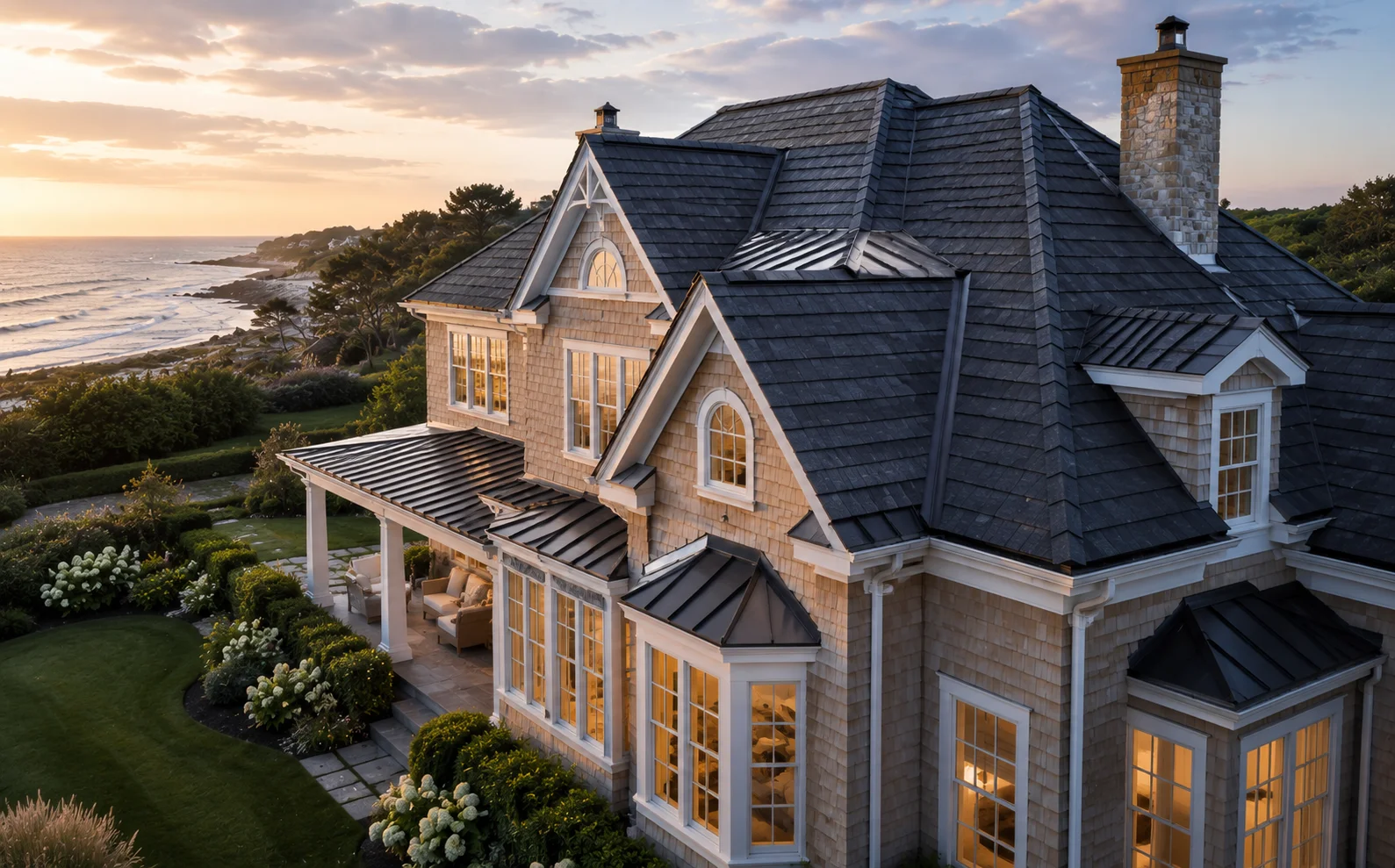
A roof replacement should not simply solve today's problems. It should position the home for decades of reliable performance and protection.
Ventilation is one of the most overlooked parts of roofing design. Proper airflow helps regulate attic temperatures, reduce moisture accumulation, and improve overall system longevity. Without adequate ventilation, even high-quality roofing materials can experience premature wear.
Many roofing failures begin at transitions rather than large roof surfaces. Areas around chimneys, valleys, walls, skylights, and penetrations require careful detailing to remain watertight. Professionally fabricated flashing systems help strengthen these vulnerable areas and improve long-term reliability.
Roof replacement is not simply a construction project. It is an investment in the future performance of the home. Working with an experienced contractor who understands coastal conditions, system design, and long-term maintenance provides value far beyond the installation itself. Exterior systems such as Siding, drainage, and roofing must work together to protect the home effectively.
You can explore examples of Cedar's completed work by visiting the Projects Page.
Replacing a roof is one of the most important decisions a homeowner can make, particularly in a coastal community like Remsenburg. Age alone should not determine when a roof is replaced. Material performance, environmental exposure, system design, and long-term goals all play critical roles in the decision-making process. By understanding how roofing systems work and what factors influence their durability, homeowners can make informed choices that provide lasting protection and value. A well-designed roof does more than improve appearance, It safeguards the entire home for decades to come.
© 2026 Cedar Solutions Roofing powered by Tauri social.