


.avif)




© 2026 Cedar Solutions Roofing powered by Tauri social.
Is every part of your roof aging the way it should?
Schedule a Roof Inspection


Most homeowners think of their roof as one surface aging at roughly the same rate. In reality, different sections of the same roof can experience completely different environmental conditions every day. One slope may spend hours under direct afternoon sun, while another stays shaded beneath trees. One side may face prevailing coastal winds and wind-driven rain, while a protected section remains relatively calm. Even moisture can behave differently depending on orientation, roof geometry, surrounding landscaping, and airflow.
These small environmental zones can be thought of as roof microclimates. Over years of exposure, they can create noticeable differences in how shingles, flashing, sealants, and other roofing components age. For Long Island homeowners, understanding these microclimates provides a better way to evaluate roof performance. Instead of asking only how old the roof is, it is worth asking which parts of the roof have been working the hardest.
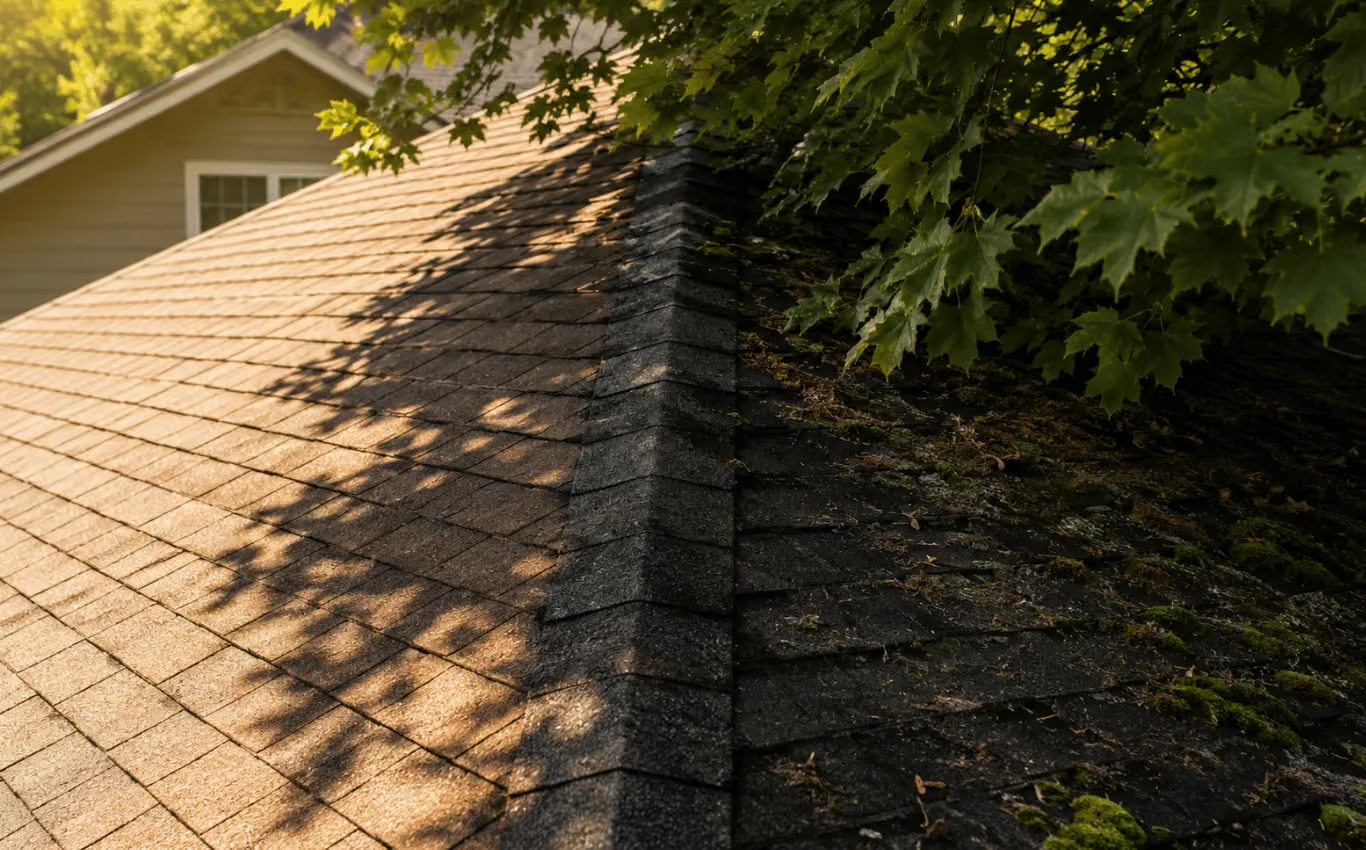
The direction a roof faces can dramatically change the conditions experienced by its materials. Direct sunlight, persistent shade, surrounding trees, and seasonal sun angles mean that two slopes installed on the same day with the same materials may not look or perform exactly the same years later. A well-designed Roofing system must account for the fact that environmental exposure is rarely distributed evenly across the entire home.
Roof sections receiving hours of direct sunlight can reach temperatures considerably higher than the surrounding outdoor air. As roofing materials heat during the day and cool again at night, they repeatedly expand and contract. This thermal cycling occurs throughout the warmer months and can gradually place stress on shingles, flashing, fasteners, and sealants. Strong UV exposure can also contribute to surface aging over time, meaning a heavily exposed slope may show signs of weathering earlier than a section protected from intense afternoon sunlight.
Shade protects roofing materials from some direct solar exposure, but it introduces another challenge, slower drying. Roof sections beneath mature trees, beside taller architectural elements, or facing away from strong sunlight may remain damp longer after rain, morning dew, or humid weather. Persistent moisture does not automatically mean the roof will develop problems, but it creates a different aging environment than the hot, dry conditions found on sunny slopes. Debris and organic material can also remain wet longer in these locations if they are allowed to accumulate.
The amount of sunlight reaching a roof is not constant throughout the year. As the sun's angle changes from summer to winter, areas that receive strong direct light during one season may spend much more time in shade during another. Trees also change the pattern as leaves appear and fall. This means roof microclimates are constantly evolving, placing different types of stress on materials throughout their service life rather than exposing them to one predictable condition year-round.
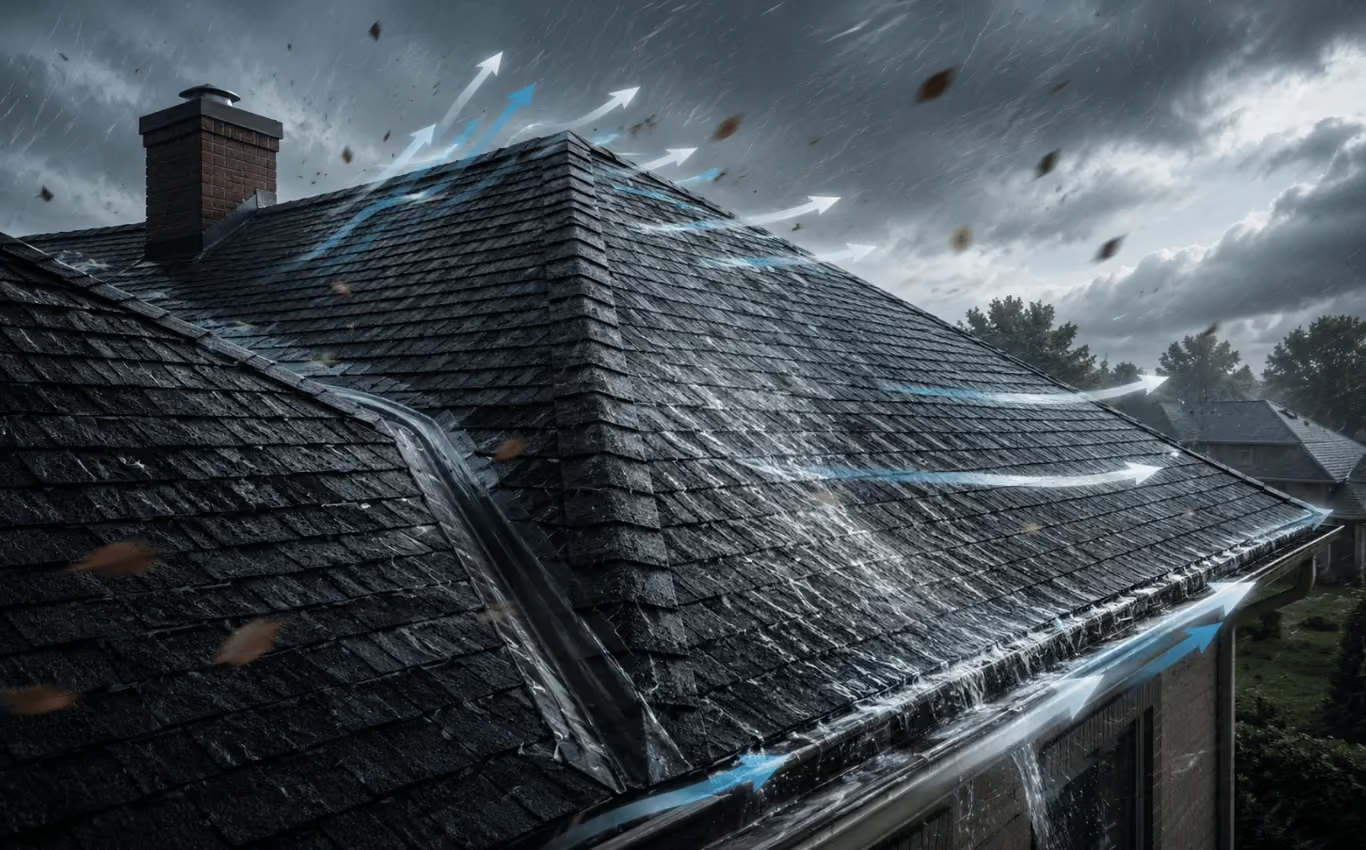
Weather rarely approaches a home evenly. Roof shape, orientation, nearby buildings, trees, and the direction of prevailing winds all influence which areas experience the strongest pressure during storms. This creates another set of microclimates that can affect how individual sections of a roofing system age.
One side of a home may regularly face stronger winds than another, particularly on properties with fewer surrounding structures or natural windbreaks. During severe weather, these exposed slopes experience greater pressure around shingles, edges, ridges, and flashing details. Repeated wind exposure does not necessarily cause immediate damage, but it can place additional long-term stress on fastening systems and vulnerable transitions.
Rain does not always fall vertically onto a roof. Strong winds can push water sideways and upward against roof-to-wall transitions, flashing, dormers, chimneys, and other architectural details. As a result, one portion of a roof may experience significantly more moisture exposure than another during the same storm. Precise Custom Fabrication around these transitions can help manage water where standard roofing surfaces meet more complicated architectural conditions.
Roof edges and corners deserve particular attention because airflow changes as wind moves around the structure. These areas can experience concentrated uplift forces that differ from conditions near the center of a roof slope. Over many seasons, this repeated exposure can make perimeter detailing especially important. Our related article “Why Roof Edges Are the Most Important Part of the Entire System” takes a closer look at why these seemingly small areas play such a major role in overall roofing performance.
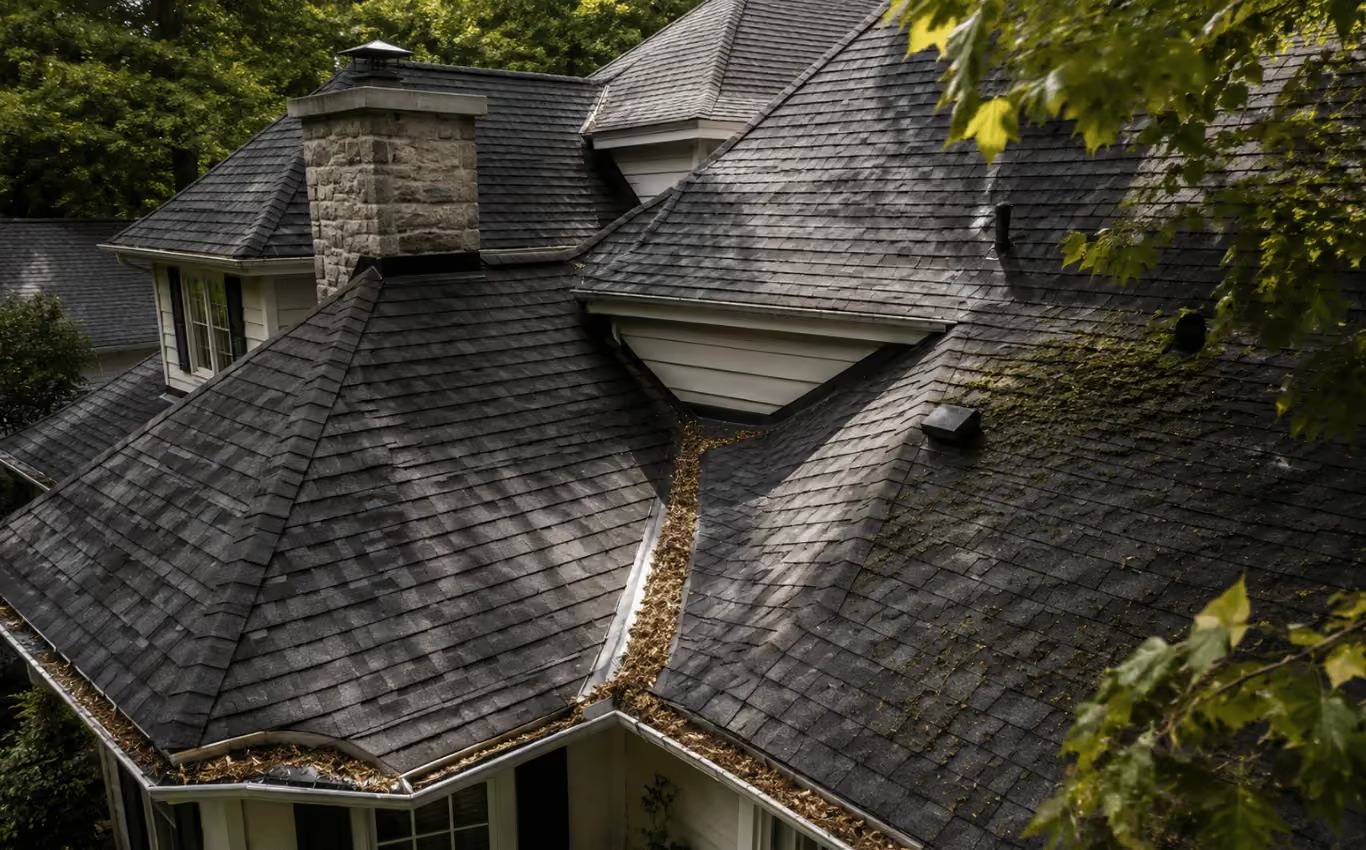
Sometimes the biggest differences across a roof are created by the property itself rather than the weather. Mature landscaping, roof geometry, chimneys, dormers, neighboring structures, and drainage patterns can all create localized conditions that influence how quickly individual areas dry, heat, or collect debris.
Large trees can reduce direct solar exposure and keep certain roof sections cooler during summer. However, those same trees can drop leaves, needles, seeds, and small branches onto the roof. Debris frequently gathers in valleys, behind chimneys, and near gutters, where it can interfere with drainage and retain moisture. A roof section beneath heavy tree coverage may therefore age under completely different conditions than an exposed slope only a few feet away.
Dormers, intersecting roof slopes, chimneys, and additions can create areas where sunlight, wind, and water behave differently from the rest of the roof. Some locations may remain protected from direct weather, while others concentrate runoff from several roof surfaces into a single valley. These architectural details make roof performance more complicated than simply evaluating the condition of the largest visible slope.
A large portion of the rain that lands on a roof eventually travels through relatively small drainage paths. Valleys, lower roof sections, gutters, and transitions can handle substantially more water than surrounding surfaces during heavy rainfall. Because these areas repeatedly experience concentrated runoff, their flashing, underlayment, and drainage details may be tested more frequently than roofing materials elsewhere on the home.
This is especially important during severe summer weather. Our related blog “The Most Vulnerable Parts of Your Roof During Storm Season” explains how valleys, penetrations, edges, and transitions respond when wind and heavy rainfall place the roofing system under greater pressure.
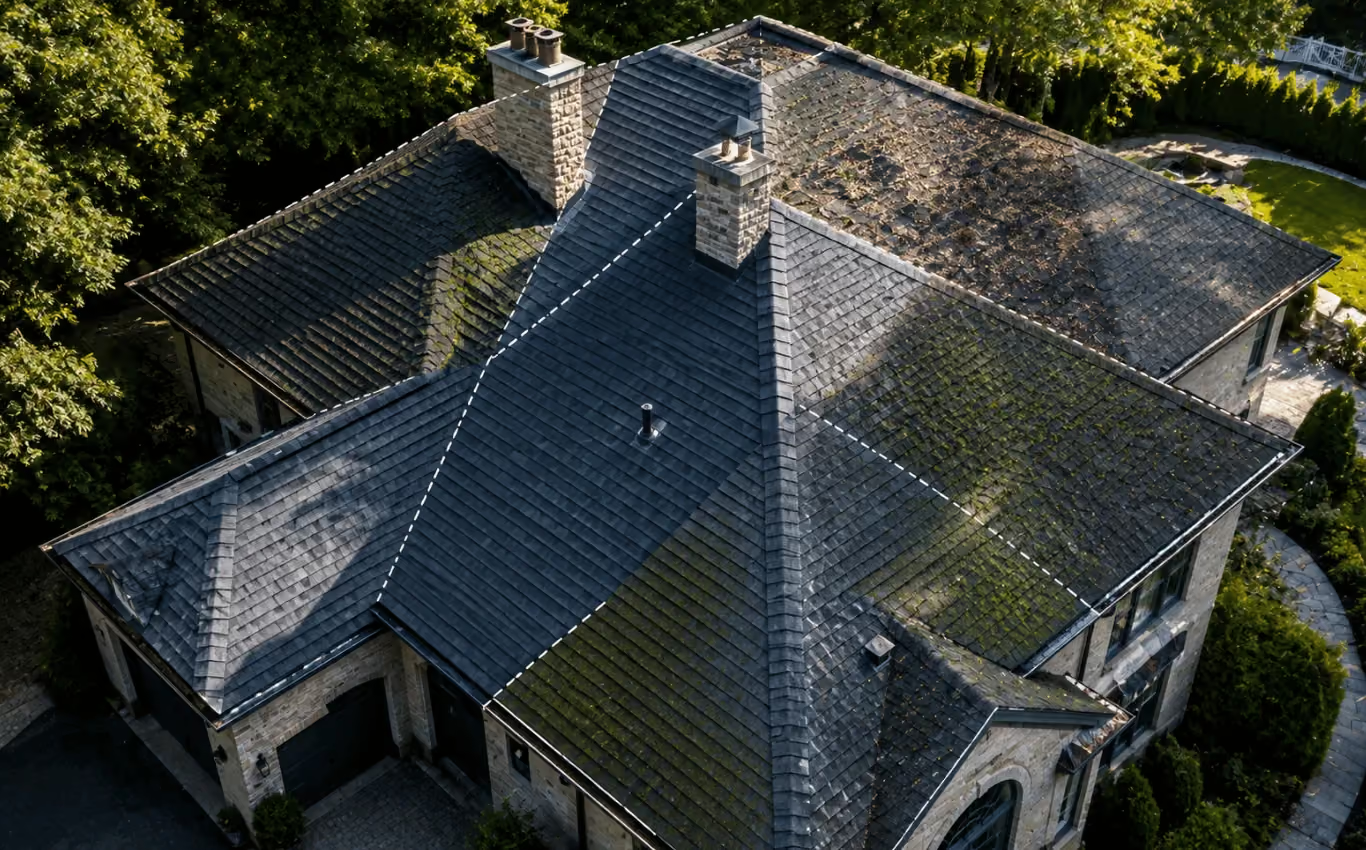
A roof may have one installation date, but that does not necessarily mean every component ages at exactly the same pace. Understanding this distinction can help homeowners make smarter decisions about inspections, maintenance, repairs, and eventual replacement.
The roof slope visible from the driveway often receives most of the homeowner's attention, but it may not be the area experiencing the greatest environmental stress. A shaded rear slope, hidden valley, or wind-facing side could be aging differently even if the front of the roof still looks excellent from the ground. This is one reason visual assessments from a single viewpoint can provide an incomplete picture of overall roof condition.
A thorough roofing inspection should consider how individual areas have responded to their specific exposure. Differences in shingle condition, flashing, drainage, sealants, debris accumulation, and moisture patterns can help reveal where the roof has experienced greater stress. Identifying these differences early may allow targeted maintenance or repairs before localized wear begins affecting surrounding components.
The strongest roofs are designed and maintained with the understanding that no two sections experience exactly the same environment. Material selection, ventilation, drainage, flashing, fastening methods, and architectural detailing all contribute to how successfully the system handles these differences. Rather than expecting every part of a roof to age identically, quality roofing focuses on giving each vulnerable area the protection it needs.
You can explore Cedar Solutions Roofing's completed exterior work on the Projects Page to see how roofing materials, architectural details, and exterior systems come together across different Long Island homes.
Your roof may look like one continuous surface, but it is actually made up of many small environmental zones. Direct sunlight can create intense thermal cycling on one slope, while shade keeps another cooler and wetter. Wind can place greater pressure on one side of the home, while roof geometry concentrates water and debris somewhere else. Over five, ten, or fifteen years, those differences can cause sections of the same roof to age at noticeably different rates.
For Long Island homeowners, this changes the way roof condition should be considered. The question is not simply, “How old is my roof?” It is also, “How has each part of my roof spent those years?” Understanding those microclimates, and inspecting the roof accordingly, can help uncover localized wear earlier and support better decisions about maintenance, repair, and long-term roof protection.
© 2026 Cedar Solutions Roofing powered by Tauri social.